Crypto ATM Scam Skyrocket: How To Use Crypto ATM Safely?

In 2025, there was a dramatic surge in crypto ATM scams, with fraudsters targeting unsuspecting users, especially seniors, through fraudulent calls or by impersonating officials to force victims into depositing fiat currency into Bitcoin or other crypto ATMs.
According to the FBI, Americans lost over $240 million to crypto ATM scams in the first half of 2025 alone. This figure is double that from the same period in 2024, revealing a dramatic increase in criminal activity surrounding these machines.
As regulation struggles to keep pace, crypto ATM users must be vigilant. This article covers everything about crypto ATM scams, including what crypto ATMs are, how scams operate, regulatory developments, and useful tips for investors about safe usage in a world where crypto ATM fraud is exploding.
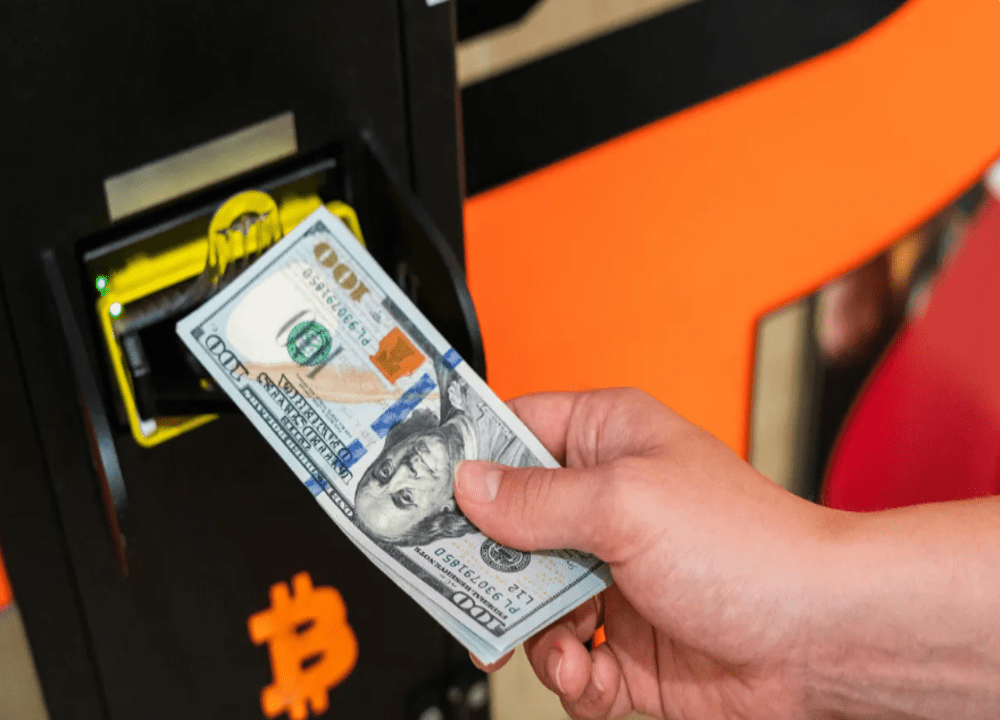
Table of Contents
\Unlock Up To 10,055 USDT In Welcome Rewards!/
What are Crypto ATMs?
A crypto ATM (also known as a Bitcoin ATM or BTM) is a physical kiosk that allows users to buy cryptocurrency with cash or debit cards, and sometimes sell crypto for fiat currency. They serve as a physical bridge between fiat cash and on-chain crypto. Unlike traditional ATMs, they are not linked to bank accounts; instead, they connect to the user’s cryptocurrency wallet via an address or QR code.
When you insert cash, the machine reads the amount, applies a conversion rate (which is often higher than the exchange rate) and sends the corresponding cryptocurrency to your wallet address. As the transaction is processed on the blockchain, it is generally irreversible once confirmed.
Crypto ATMs are widely deployed in many countries. It is estimated that there are over 30,000 globally, the majority of which are located in North America (accounting for around 90% of the total). While they offer convenience and accessibility, they also incur higher fees and have less oversight than exchanges.
[TRADE_PLUGIN]BTCUSDT,ETHUSDT[/TRADE_PLUGIN]
Crypto ATM Scams Surge: How Scammers Operate?
Sharp Rise in Crypto ATM Scams
By 2025, cryptocurrency ATMs had become as commonplace as soda machines in petrol stations, convenience stores, and shopping centres across the United States. These machines offer instant access to digital assets such as Bitcoin, Ethereum and XRP. Yet beneath this convenience lies a troubling reality. Thousands of unsuspecting people, often elderly or unfamiliar with digital finance, have lost their life savings to carefully orchestrated scams.
In South Hadley, Massachusetts, for example, an employee followed a scammer’s instructions and deposited $11,000 from the store safe into a Bitcoin ATM. The police never recovered the money. Other residents lost $48,000 and $4,900 in similar frauds.
In Selinsgrove, Pennsylvania, an elderly resident recently lost $22,000 after falling victim to a fake government call urging them to move their money ‘for safety’.
These scams are happening nationwide. The FBI reported that Americans lost over $240 million to crypto ATM scams in the first half of 2025 alone. This figure is double that from the same period in 2024, revealing a dramatic increase in criminal activity around these machines.
ATM-Based Fraud & Tampering
Scammers may manipulate physical machines or install malicious hardware (such as skimmers or card reader traps) to intercept card data or redirect funds. In certain jurisdictions, the regulation of crypto ATM operators remains minimal, allowing for installations with insufficient oversight and increasing vulnerability.
Another tactic involves providing a “help number” printed on the machine that connects victims directly to scammers. Believing they are seeking support, victims may be deceived into making further transactions or disclosing their wallet keys.
FBI data indicates that crypto ATM scams have become “the No. 1 preferred method” for specific fraudsters, resulting in losses approaching $250 million in 2024.
Why Is Recovery So Difficult?
Once cryptocurrency is sent via an ATM, it is confirmed on-chain and generally cannot be reversed. Unlike traditional banking systems where chargebacks can sometimes occur, blockchain transactions are immutable.
Scammers take advantage of this characteristic by pressuring victims into immediate deposits, fully aware that there is no means to recover the funds. This irreversible nature serves as a crucial tool in their arsenal.
\Unlock Up To 10,055 USDT In Welcome Rewards!/
What’s Next for Crypto ATM Regulation?
As more crypto scams are exposed, there is growing pressure for national or regional frameworks to be introduced to standardise protections.
In Australia, for example, the regulator AUSTRAC has moved to impose stricter rules on crypto ATM providers, including limits on maximum withdrawals and deposits, enhanced customer due diligence and mandatory scam warnings on machine interfaces.
Some U.S. localities are also responding: Lincoln, Nebraska is considering a city ordinance that would require operators to display official scam warnings at crypto ATMs to alert users.
Meanwhile, global guidelines are evolving, with crypto ATM operators increasingly required to comply with anti-money laundering (AML), know your customer (KYC) and licensing requirements to guard against misuse.
However, because crypto ATMs straddle the physical and digital realms, enforcement is complex. Operators often cross jurisdictional lines, machines may lack centralised oversight, and some are deployed in unregulated areas. This makes consistent enforcement difficult.
[TRADE_PLUGIN]BTCUSDT,ETHUSDT[/TRADE_PLUGIN]
What Investors Need to Do: Useful Tips to Avoid Crypto ATM Scam
Vigilance and education are the most powerful tools for avoiding crypto ATM scams. Below are some useful tips to help investors avoid crypto scams:
1. Never Respond to Urgent Calls or Threats
Scammers frequently exploit a sense of urgency to instill panic in their victims. Legitimate authorities do not demand immediate cryptocurrency payments. If someone is pressuring you to use a crypto ATM under threat, this should raise a red flag. Take a moment to pause and independently verify the situation before taking any action.
2. Use Reputable, Well-Lit Locations
When utilizing a crypto ATM, opt for machines situated in reputable and busy locations (such as banks or shopping malls) rather than isolated or hidden kiosks. Criminals are less likely to tamper with machines that are monitored in public settings.
Inspect the ATM carefully: look for signs of tampering, overlays, unusual wiring, or stickers obscuring parts of the machine. If possible, compare it with images of known legitimate machines.
3. Verify the Machine Operator & Fees
Examine the branding and credentials of the ATM operator; many legitimate providers will be clearly identified. Compare fees and exchange rates—if charges or spreads appear excessively high, exercise caution.
Additionally, review any Know Your Customer (KYC) requirements: numerous machines necessitate identity verification for larger transactions. Be cautious if you are asked for personal information in an unusual manner.
4. Double-Check Wallet Address and Amount
Before finalizing your transaction, ensure that the wallet address is accurate (copying & pasting/QR scanning is safer than manual entry). Even one incorrect character can result in funds being sent to an unintended recipient; remember that such transfers are irreversible.
Furthermore, begin by sending small test amounts first to confirm that everything functions correctly before transferring larger sums.
5. Report Suspicious Activity Immediately
If you suspect fraudulent activity or an erroneous transaction has occurred, contact local law enforcement and regulatory bodies without delay. Document all relevant transaction details (including time, machine ID, and location). Prompt reporting enhances the likelihood of investigation.
Many jurisdictions now offer fraud hotlines or dedicated channels for reporting cryptocurrency-related complaints—make sure to utilize these resources.
6. Stay Educated & Vigilant
Be aware of common scam narratives (e.g., impersonating officials, “you owe us money,” or promises of guaranteed returns). Don’t trust unsolicited calls or messages urging ATM usage.
Keep informed about local crypto ATM regulation changes and public warnings from consumer protection bodies.
\Unlock Up To 10,055 USDT In Welcome Rewards!/
Conclusion
Although crypto ATMs provide a convenient link between cash and digital assets, they have unfortunately become fertile ground for scams. According to reports from the FBI, losses from ATM-related fraud reached nearly $250 million in the first half of 2025 alone.
Scammers use impersonation, urgent threats and tampered machines, as well as taking advantage of the untraceable nature of blockchain, to victimise users. While growing regulatory attention may lead to greater protections, for now, caution and awareness remain your best defence.
\Unlock Up To 10,055 USDT In Welcome Rewards!/
About BTCC
Holding licenses in the U.S., Canada, and Europe, BTCC is a well-known cryptocurrency exchange, boasting an impeccable security track record since its establishment in 2011, with zero reported hacks or breaches. BTCC platform provides a diverse range of trading features, including demo trading, crypto copy trading, spot trading, as well as crypto futures trading with a leverage of up to 500x. If you want to engage in cryptocurrency trading, you can start by signing up for BTCC.

BTCC is among the best and safest platforms to trade cryptos in the world. The reasons why we introduce BTCC for you summarize as below:
- Industry-leading security
- High Liquidity & Volume
- Extremely low fees
- High and rich bonus
- Excellent customer service
\Unlock Up To 10,055 USDT In Welcome Rewards!/
Understanding KYC In Crypto: How To Complete KYC On BTCC
Why Choose BTCC Futures: A Comprehensive Guide For All Traders
A Beginner’s Guide: What Is Copy Trading & How To Start Copy Trading On BTCC
How to Use BTCC Demo Trading: A Step-By-Step Guide For Beginners In 2025
BTCC Referral Code 2025: Inviting Friends To Sign Up On BTCC
Crypto Investing Guide:
8 Types of Crypto Scams to Avoid in 2025
Best Free Crypto Sign-Up Bonus Australia 2025
Best Sign-Up Bonus Instant Withdraw No Deposit Crypto Apps 2025
Best Free Bitcoin Accelerators 2025
Crypto Tax In Australia: A Complete Guide For 2025
Best Gold Stocks To Buy In Australia For 2025
Best Gold ETFs To Buy In Australia For 2025
Best Crypto Exchanges In Australia For 2025
Crypto Regulations In Australia (Updated 2025): Everything You Need To Know About It
Best Australian Crypto Debit Cards For 2025
Hottest Meme Coins To Buy In Australia For February 2025
Buy Bitcoin (BTC) Australia: A Comprehensive Guide For 2025
How To Buy Meme Coins In Australia – A Beginner’s Guide For 2025
BTCC vs. Bybit vs. eToro:which is the best choice for you?
BTCC vs. Coinbase vs. Crypto.com
Compare BTCC vs. Binance: Which is a Better Choice for Canadian Traders in 2025?
BTCC vs. NDAX: which is a better choice for crypto trading in Canada?
Compare BTCC vs. BitMart 2025: Which is a Better Choice for Your Demand
Compare BTCC vs Gate.io: Which is Best in 2025
BTCC vs CoinJar: Which One is Better?
BTCC vs. MEXC: A Complete Comparison In 2025
Pi Network (PI) Price Prediction: Will Pi Coin Reach $500 After Major Exchange Listings?
Pi’s Open Network Set To Launch On February 20: Everything You Need To Know About It
How to Sell Pi Coin in Canada: A Complete Guide for 2025
Coinbase vs. CoinSpot: Which Is A Better Crypto Trading Platform For Australian Traders In 2025?
eToro vs. CoinJar: Which Is A Better Crypto Trading Platform For Australian Traders In 2025
Coinspot vs. Swyftx: Which Is A Better Crypto Trading Platform For Australian Traders In 2025?