Understanding Bitcoin ATMs: How They Work & How To Use Them?
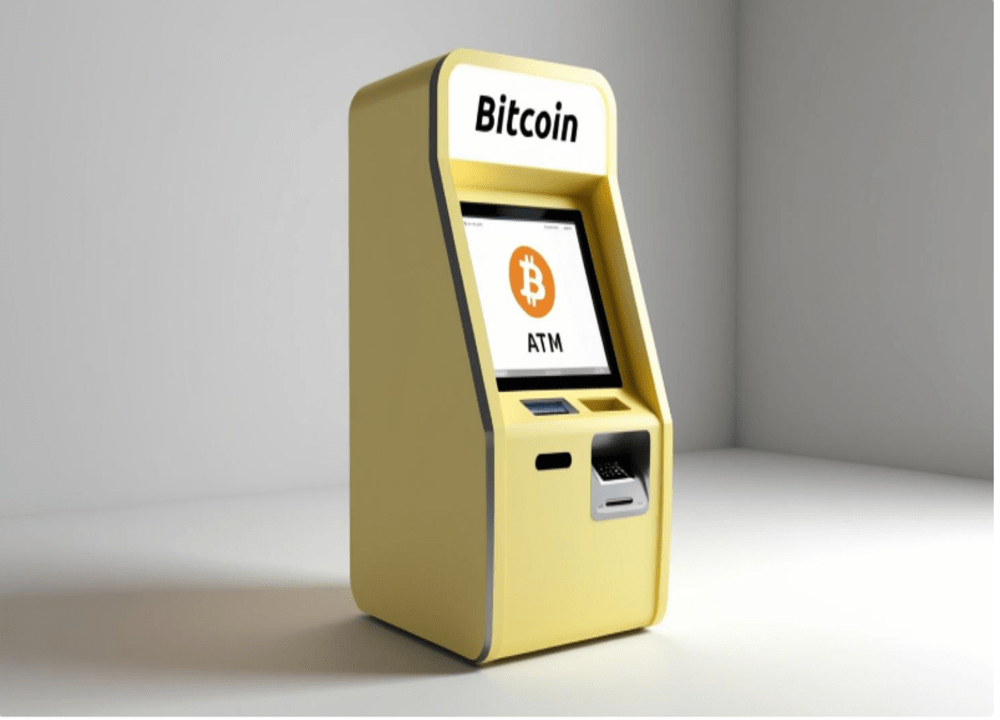
Bitcoin ATMs, also known as BTMs, are physical kiosks that allow users to buy or sell Bitcoin and other cryptocurrencies using cash, debit, or credit cards. These machines have become an increasingly accessible and convenient option for individuals looking to engage with digital assets without relying solely on online exchanges.
Functioning similarly to traditional ATMs, Bitcoin ATMs enable users to conduct crypto transactions quickly and securely, often without the need for a bank account or extensive technical knowledge. Their user-friendly interfaces make them ideal for both newcomers and experienced crypto users.
Understanding how Bitcoin ATMs work—and how to use them—can help you navigate the crypto space more confidently and efficiently. In this article, we’ll explore the mechanics behind Bitcoin ATMs and provide a step-by-step guide to help you make the most of this innovative financial tool. Whether you’re looking to make your first crypto purchase or streamline your transactions, this guide is designed to make the process simple and accessible.
\Trade On BTCC With 10 FREE USDT!/
Table of Contents
\Trade On BTCC With 10 FREE USDT!/
What is a Bitcoin ATM?
Bitcoin ATMs (BTMs) are specialized kiosks that allow users to buy and sell Bitcoin, and in some cases, other cryptocurrencies. Unlike traditional ATMs that are linked to bank accounts, BTMs are connected to cryptocurrency wallets, which serve as the destination or source for digital coin transactions. Instead of using a bank card, users interact with the machine through their crypto wallet QR codes.
Interestingly, some Bitcoin ATMs are modified versions of traditional cash machines, upgraded with software designed specifically for cryptocurrency transactions. Despite this difference in functionality, many BTMs maintain the familiar look and feel of standard ATMs, offering a user-friendly interface that simplifies the process for both beginners and experienced users.
As public interest in digital assets continues to grow, Bitcoin ATMs have become increasingly common, appearing in high-traffic locations such as shopping malls, convenience stores, gas stations, and airports.
Key features of Bitcoin ATMs include:
- Buying and selling: Most machines allow users to purchase Bitcoin, while some also support selling it in exchange for cash.
- Wallet integration: A personal cryptocurrency wallet is required to receive purchased coins.
- Fast transactions: The process typically takes just a few minutes, making it a convenient option for on-the-go crypto access.
How Do Bitcoin ATMs Work?
Although the operation of Bitcoin ATMs is relatively straightforward, it relies on several technologies to facilitate transactions. Each machine connects to a cryptocurrency exchange to provide real-time pricing and verify transactions. When you approach a Bitcoin ATM, you are prompted to select whether you want to purchase or sell cryptocurrency. The machine then guides you through the necessary steps, such as entering your wallet address and selecting the amount you wish to transact with. Once the transaction is complete, you will receive a receipt confirming the details.
- The ATM scans a QR code from your wallet to send the cryptocurrency.
- It calculates the current exchange rate and displays any applicable fees.
- After inserting cash, the transaction is processed in real time.
- You can choose to receive either a paper receipt or an email confirmation for your records.
- If you are selling Bitcoin, you enter the amount you wish to sell and receive cash once the transaction is confirmed.
\Trade On BTCC With 10 FREE USDT!/
Pros & Cons of Using Bitcoin ATMs
Bitcoin ATMs provide several advantages that make them an attractive choice for a wide range of users. One of the biggest benefits is convenience—they enable quick and straightforward transactions without the often time-consuming identity verification procedures required by online exchanges.
However, despite their accessibility and ease of use, Bitcoin ATMs also come with limitations that users should consider before making a transaction.
The table below outlines the key pros and cons of using Bitcoin ATMs:
| Pros of Using Bitcoin ATMs | Cons of Using Bitcoin ATMs |
|
|
How to Use a Bitcoin ATM?
Using a Bitcoin ATM can be a smooth and straightforward process—especially if you follow a few key steps. Before visiting the machine, make sure you have a cryptocurrency wallet set up on your smartphone or a hardware device, as this is where your purchased Bitcoin will be sent.
Here’s a step-by-step guide to using a Bitcoin ATM:
- Locate a nearby Bitcoin ATM using online maps or specialized crypto ATM locator apps.
- At the machine, choose either ‘Buy Bitcoin’ or ‘Sell Bitcoin’, depending on your transaction.
- Scan your wallet’s QR code to provide the address where the Bitcoin will be sent (for purchases).
- Insert cash into the machine if you are buying, or follow the on-screen prompts to sell.
- Review and confirm the transaction details carefully. Once confirmed, wait for a receipt or transaction confirmation.
Final Thoughts
Bitcoin ATMs have emerged as a practical gateway for users to interact with cryptocurrency in a simple and accessible way. Their user-friendly interfaces and rapid transaction capabilities make them an appealing option for both beginners and seasoned investors. As of 2025, there are estimated to be over 30,000 Bitcoin ATMs worldwide, with the vast majority located in the United States. North America dominates the market, accounting for nearly 90% of all Bitcoin ATMs globally.
However, it’s important to recognize their limitations—such as relatively high transaction fees and limited availability in certain regions. By understanding how to use Bitcoin ATMs effectively, users can maximize the benefits of these machines and engage with the evolving digital currency landscape with greater confidence and convenience.
\Trade On BTCC With 10 FREE USDT!/
Why Choose BTCC?
Fully licensed and regulated in the U.S., Canada, and Europe, BTCC is a well-known cryptocurrency exchange, boasting an impeccable security track record since its establishment in 2011, with zero reported hacks or breaches. BTCC platform provides a diverse range of trading features, including demo trading, crypto copy trading, spot trading, as well as crypto futures trading with a leverage of up to 500x. If you want to engage in cryptocurrency trading, you can start by signing up for BTCC.

BTCC is among the best and safest platforms to trade cryptos in the world. The reasons why we introduce BTCC for you summarize as below:
-
- Industry-leading security
- High Liquidity & Volume
- Extremely low fees
- High and rich bonus
- Excellent customer service
\Trade On BTCC With 10 FREE USDT!/
You May Like:
What Is Divergence: Understanding Momentum and Price Discrepancies In Crypto
HODL’s Meaning Explained: A Crypto Trader’s Guide In 2025
Crypto Slang Explained: Understanding FOMO, FUD, REKT And More
What Is Bitcoin Rainbow Chart: Everything You Need To Know About It
Best Cryptos To Mine In 2025: A Complete Guide For Beginners
Top Free Bitcoin Mining Apps & Cloud Mining Platforms For Effortless BTC Earnings In 2025
How To Mine Bitcoin: A Comprehensive Guide For Beginners In 2025
Best Sign-Up Bonus Instant Withdraw No Deposit Crypto Apps 2025
Binozy Review: Is Binozy.com Legit or Scam?
What Is eCryptobit.com Invest: A Comprehensive Review & Investment Guide In 2025
What is Etherions.com Tech: Something You Need To Know About It
What Is SUV Bitcoin Miner APK: Everything You Need To Know About It
What Is OrbiMount: Everything You Need To Know About It
What Is Fintradix: Everything You Need To Know About It
How To Buy And Trade Cryptocurrency With TD Bank In Canada: A Useful Guide In 2025
What Is Crypto30x.com ASX: Everything You Need To Know About It
What Is Webtoon XYZ: Everything You Need To Know About It
Who Is Sondra Blust: How Does She Start a Successful Path Through Crypto Trading?
TOKEN6900 ($T6900) Review & Analysis: Next 100x Meme Coin To Explode?
Understanding KYC In Crypto: How To Complete KYC On BTCC
A Beginner’s Guide: What Is Copy Trading & How To Start Copy Trading On BTCC
Circle (CRCL) Stock Price Forecast & Prediction: Is Circle Stock A Buy Now?
What Is CZ’s Dog (BROCCOLI) Crypto: Everything You Need To Know About It
Martini Market ($MRT) Review & Analysis: Next 100x Token To Explode?
Angry Pepe Fork ($APORK) Meme Coin Review & Analysis: Next 100x Gem?
FUNToken (FUN) Price Prediction: Can FUNToken Hit $0.1?
Best Non KYC Crypto Exchanges In July 2025
BTCC vs. MEXC: A Complete Comparison In 2025
What Is Sahara AI (SAHARA): Binance Introduces Sahara AI (SAHARA) As 25th HODLer Airdrop Project
Binance Introduces Spark (SPK) As 23rd HODLer Airdrop Project: Everything You Need To Know About It
Gold-Backed Cryptocurrency Explained: What Are The Best Gold-Backed Cryptocurrencies In 2025?


Risk warning: Digital asset trading is an emerging industry with bright prospects, but it also comes with huge risks as it is a new market. The risk is especially high in leveraged trading since leverage magnifies profits and amplifies risks at the same time. Please make sure you have a thorough understanding of the industry, the leveraged trading models, and the rules of trading before opening a position. Additionally, we strongly recommend that you identify your risk tolerance and only accept the risks you are willing to take. All trading involves risks, so you must be cautious when entering the market.
The world’s longest-running cryptocurrency exchange since 2011 © 2011-2025 BTCC.com. All rights reserved