CORE Price Prediction 2026: Will It Rebound From $0.02?
 Written by F, Fairy.fLast updated:
As of August 6, 2026, CORE was trading at $0.020019 on BTCC. The 24-hour price range confirmed on CoinMarketCap is $0.01941–$0.02054. With the current price sitting near the day’s low, the immediate question is whether buyers step in around $0.019 — not whether the price can revisit the old high near $6.
According to CoinMarketCap, CORE’s market cap is about $24.84 million, and daily trading volume is about $3.66 million. Circulating supply is about 1.24 billion CORE. The current price is roughly 19% above the all-time low of $0.01678, so reclaiming $0.02 alone is too early to call the end of the downtrend.
Nearby Price Levels for CORE
The first zone to watch is $0.0194–$0.0200. If CORE trades below this zone and fails to reclaim $0.0200, the next level is $0.0175. If buy orders do not increase there either, the price may slide toward the all-time low of $0.01678. Even near the low, this would not confirm strengthening buying pressure.
To the upside, CORE first needs to break $0.0205–$0.0212. Afterward, trading volume must hold around $0.0236–$0.0243 for the rebound to extend. The top of the recent seven-day range was about $0.02365.

Related Reading:
How to Buy Core Coin (CORE): A Step-by-Step Guide
What Is Core (CORE) and How Does It Work?
Four Metrics to Watch Before Price Action
Can SatPay Generate Revenue?
SatPay, which Core is building, lets users pledge BTC or yield-bearing assets as collateral and borrow stablecoins for payments. According to Core’s official update in February 2026, the SatPay waiting list has surpassed 20,000. But waitlist sign-ups are not actual loans or payments. Only repeated usage and real revenue can create a solid foundation for CORE’s price.
Will the Buyback Plan Turn Into Actual Purchases?
The 2026 roadmap includes a plan to use profits from BTCFi services to buy back CORE. But it remains a plan until the market sees actual buybacks. Purchase dates and amounts need to be disclosed for investors to measure how much CORE is being bought. If buyback volume is smaller than new issuance, total circulating supply will keep rising.
Is BTC–CORE Staking Holding Up?
Dual staking gives higher reward tiers to users who stake BTC and CORE together. Higher BTC staking can create demand to lock CORE alongside it. On the other hand, lower rewards or a prolonged price slump can push unlocked positions toward exchanges, so watch both deposit levels and unstaking flows.
Does Network Usage Turn Into Revenue?
DefiLlama data shows Core’s stablecoin market cap at about $2.77 million and bridged assets at about $6.91 million. The network had about 9,484 active addresses in a day and processed 56,735 transactions. Yet DEX trading volume in the same period was only about $2,844. The amount of value actually exchanged is small relative to transaction counts, so these numbers alone do not prove rising demand for CORE.

Even a Supply Cap Won’t Stop Supply Growth
CORE’s maximum supply is 2.1 billion. Official tokenomics allocate 39.995% of that — 839.9 million CORE — to node rewards paid out over 81 years. Block rewards decline by 3.61% per year, but new issuance will not stop anytime soon.
The CORE currently in circulation is about 59% of the maximum supply. As staking rewards and foundation/ecosystem budgets enter exchanges, circulating supply can keep expanding. However, if more CORE is bought back or locked into long-term staking, sellable supply shrinks. No major cliff unlock dates are visible in current official materials.
CORE Price Prediction for 2026
If CORE keeps trading below $0.0194 and cannot reclaim $0.0200, the downtrend may continue. In that case, $0.0175 is the next support level, and a lack of buying may push it toward the all-time low of $0.01678. Below $0.01678, historically thin trading could allow an even sharper decline.
The neutral range is $0.0194–$0.0236. Even with more SatPay and buyback announcements, prices may keep swinging sharply within this range unless real revenue and buyback records emerge.
If CORE breaks above $0.0212 on strong volume and then holds above $0.0236–$0.0243, it would signal stronger buying pressure after the recent slide. If SatPay usage, Core chain revenue, and CORE buyback volumes also increase, the data would provide real support for a sustained rally.
Long-Term Outlook Depends on Required Market Cap

| Year | Yearly Low | Yearly Average | Yearly High |
| 2027 | $ 0.0996 | $ 0.1883 | $ 0.1908 |
| 2028 | $ 0.1596 | $ 0.1662 | $ 0.1691 |
| 2029 | $ 0.2557 | $ 0.4027 | $ 0.5066 |
| 2030 | $ 0.2090 | $ 0.3569 | $ 0.4645 |
| 2031 | $ 0.2565 | $ 0.3950 | $ 0.4495 |
| 2032 | $ 0.3679 | $ 0.5064 | $ 0.5631 |
| 2035 | $ 0.2343 | $ 0.3814 | $ 0.4696 |
| 2040 | $ 0.3571 | $ 0.5072 | $ 0.5942 |
| 2045 | $ 0.3081 | $ 0.4661 | $ 0.5438 |
| 2050 | $ 0.2837 | $ 0.4470 | $ 0.5225 |
Using the current circulating supply of about 1.24 billion, CORE at $0.10 would mean a market cap of about $124 million, while $0.50 would mean about $620 million.
A long-term rally needs more than rising BTC staking. SatPay and Core-based financial services must generate real revenue, and some of that revenue must consistently buy back CORE to expand token demand.
What Is Core?
Core is a blockchain network built on the Satoshi Plus consensus, combining Bitcoin miners’ delegated hashpower with CORE staking. CORE is used to pay network fees, delegate validators, stake, and vote on governance. One standout feature is that Bitcoin can be time-locked to participate in validator selection without leaving its original chain.
Even if the network operates normally, CORE’s price still needs real buying demand. More users won’t necessarily raise the price if revenue isn’t used to purchase CORE. The price impact could remain limited.
Key Risks to Review Before Investing in CORE
CORE still faces ongoing new issuance, and the Core chain’s DEX trading volume remains small. If buybacks are delayed or actual purchases fall short of new issuance, circulating supply may keep climbing. Also monitor BTC staking unstaking flows to exchanges and review the security of bridges and smart contracts in the Core ecosystem.
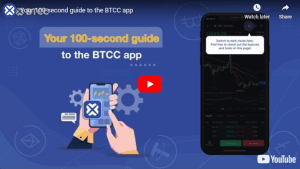
How to Trade CORE on BTCC
On BTCC, you can trade CORE/USDT spot and COREUSDT perpetual futures. Spot trading gives you direct CORE ownership. Perpetual futures let you trade based on whether you expect the price to rise or fall.
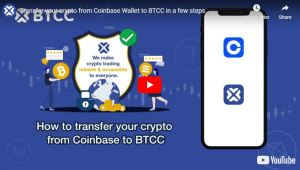
After preparing USDT on a supported U.S. exchange, transfer it to your BTCC wallet. Check the supported network and deposit address, and start with a small test transfer.
The USDT you deposit to BTCC can be moved to the spot wallet or futures wallet depending on the trading method. In the trading screen, search for CORE. Choose CORE/USDT spot to hold the asset directly, or COREUSDT perpetual futures to trade the price direction.
Three CORE Metrics to Watch Right Now
For now, watch the $0.0194 support, the $0.0243 recovery level, and the gap between new issuance and actual buyback volume. Even though Core has laid out a revenue-focused 2026 roadmap, announcements alone won’t set the price. The real signals are the revenue generated on-chain and how much of it is actually used for CORE buybacks.
BTCC Exchange
BTCC offers an exclusive welcome campaign for new users. Sign up and start trading today to earn up to 30,000 USDT in rewards. You can also enjoy a higher VIP level based on your deposit amount (Higher Deposit = Higher VIP Level). As a VIP, you’ll benefit from lower trading fees and additional exclusive privileges.
- Sign-Up Bonus: Receive 10 USDT upon registration.
- KYC Bonus: Complete identity verification to earn an additional 20 USDT.
- First Trade Rewards: Earn 5 USDT for your first spot trade and 5 USDT for your first copy trade.
- First Futures Trade Bonus: Complete your first futures trade to receive 20 USDT.
- Deposit Bonus: Deposit 200 USDT or more to receive 10 USDT, or deposit 500 USDT or more to receive 20 USDT. Users who accumulate 2,000 USDT in deposits within 30 days will receive an additional 30 USDT Flexible Trading Fund.
- Futures Trading Challenge: Trade futures over a 90-day period to earn up to 30,000 USDT in rewards, with leverage of up to 250× available.