About Oil Backed Tokens
- 1Oil-Backed Crypto Tokens & Energy RWAs: Opportunity or Scam? (2026 Verified Guide)
- 2What is Global Oil Recovery Program (GORP) Crypto? Is it Legit or a Scam?
- 3What Is United States Oil Holdings (USOH)? Is It Legit or a Scam?
- 4What Is Vanguard Oil Retirement Fund (VORF)? Is it Legit or Scam?
- 5What Is Federal Oil Fund (FOF)? A Beginner’s Guide
- 6What Is Fidelity Oil United Reserve (FOUR)? Is it Legit or a Scam?
- 7Where and How to Buy Iran Strategic Oil Reserve (ISOR) in 2026?
- 8Is U.S. Oil Reserve (USOR) Coin Legit or a Scam? An In-Depth Guide
- 9Where and How to Buy United Global Oil Reserve (UGOR): A Beginner’s Guide
- 10Where and How to Buy Vanguard Digital Oil Reserve (VDOR) in 2026
- 11Where and How to Buy World Collective Oil Reserve (WCOR) in 2026
- 12Where and How to Buy American Dollar Reserve (ADR) Coin?
- 13Official Saudi Oil Reserve (OSOR) Price Prediction 2026–2030
- 14Where and How to Buy United Nations Oil Reserve (UNOS) Crypto in 2026
- 15Where and How to Buy Western Asset Reserve (WAR) Coin in 2026?
- 16Where and How to Buy Global Military Arms Reserve (GMAR) in 2026
- 17Where and How to Buy Strategic Defense Reserve (SDR) in 2026
- 18Where to Buy Beast Financial Services (BFS) Crypto? A Beginner’s Guide
- 19United Oasis Reserve (UXR) Crypto Price Prediction 2026–2030
- 20Where and How to Buy United Oasis Reserve (UXR) Crypto in 2026
What Is United Nations Oil Reserve (UNOS) Crypto? Is It Legit or a Scam?
 Written by Fiona FLast updated:
 ⚠️ Urgent Asset Security Notice:
If you have recently been approached on social apps (Telegram/WhatsApp) to buy mysterious oil tokens claiming to have “State Reserves,” “United Nations backing,” or “Vanguard digital” support (such as WCOR, COAR, UNOS, SOS, VDOR), please stop immediately!
The crypto market is currently flooded with fraudulent “Honeypots” and worthless altcoin projects using traditional energy assets as a front. Protect your hard-earned capital and stay away from unverified tokens that could drop to zero at any moment.
👉 Enter BTCC – 15 Years of Top-Tier Security | Claim Up to $30,000 Sign up Bonus
Oil-backed digital assets have been trending with traders as they blend commodity narratives with speculative crypto velocity. Real World Assets (RWA) tied to energy reserves are drawing short-term attention looking for alternative exposure in 2026.
However, new trending tokens like UNOS (United Nations Oil Supply) have triggered massive search volume regarding their legitimacy. Is UNOS crypto real, or is it another narrative-driven trap?
This comprehensive guide breaks down what UNOS coin actually is, uncovers critical on-chain red flags, and explains how experienced traders evaluate real RWA projects before putting their capital at risk.
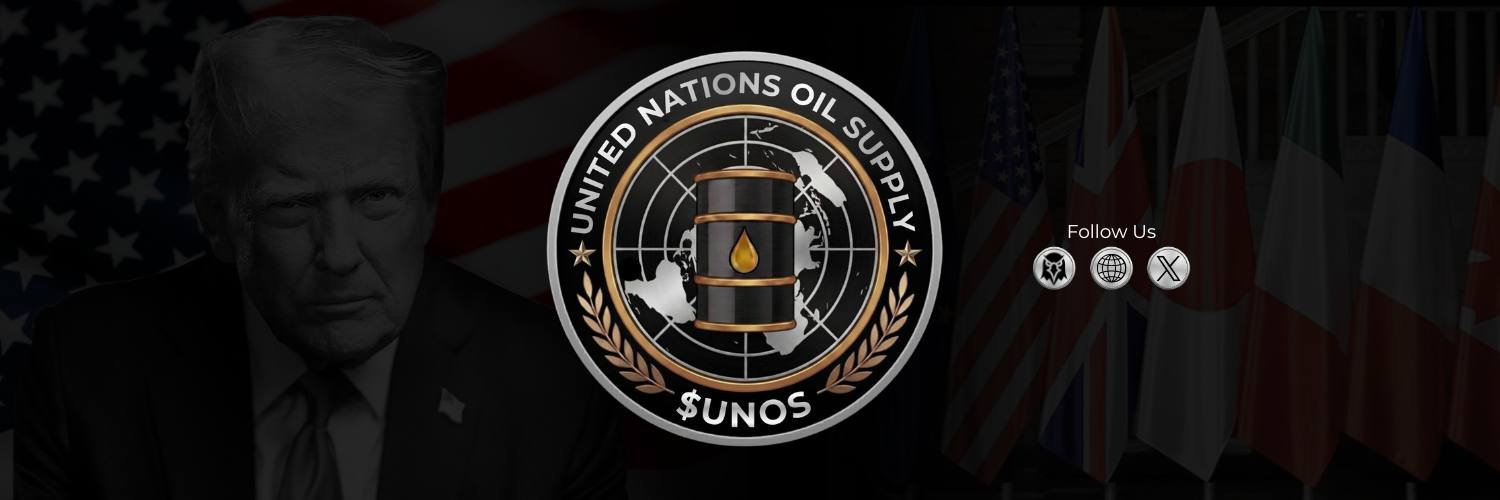
What is United Nations Oil Reserve (UNOS)?
UNOS crypto is a blockchain-backed currency supported by oil reserves and could perhaps fall under the developing category of Real-World Asset (RWA) tokenisation. Projects using Real World Assets (RWA) in crypto aim to combine tangible assets such as oil, gold, or real estate with decentralised finance infrastructure.
But investors need to take a serious technical look at these initiatives. A real oil-backed crypto has to perform in 2026:
-
On-chain Proof of Reserve (PoR): Real-time, verifiable audit trails.
-
Regulatory Disclosures: Compliance with global asset-backed token frameworks.
-
High Liquidity: Availability on exchanges with deep order books to prevent slippage.
This is because the U.S. Securities and Exchange Commission (SEC) tends to look more carefully at asset-backed digital tokens if reserve claims are not independently verified.
Is UNOS Crypto Legit or a Scam?
When searching “is UNOS coin legit?”, traders must look past marketing copy and look straight at the smart contract disclaimers and on-chain facts.
1. The Official United Nations Disclaimer
According to verifiable public data, the actual United Nations has no involvement, endorsement, or partnership with the UNOS cryptocurrency. In fact, the project’s own website features a disclaimer explicitly stating that UNOS is a meme coin created for entertainment purposes only, and its references to the United Nations are purely satirical and illustrative.
2. The Solana Contract and Liquidity Crisis
Here are several serious technical red signals from on-chain data that should be on every retail buyer’s radar:
-
The Official Solana Address: The token mainly trades via decentralized tools using the verified contract address:
BXyRk4QJZhErhim2uiKBoSvxvELBzrz1G243TYr1roJ8. -
The “Ghost” Code: Sections of the project’s infrastructure still display unfinished code placeholders, such as
PLACEHOLDER_UNOS_CA_GOES_HERE, indicating a rushed deployment. -
The Liquidity Trap: The token aims to have a seven-figure market cap, however live DEX tracking tools (like DexScreener) demonstrate that the real liquidity on pairs like UNOS/USDC can be razor thin (sometimes under $1,000).
Critical Risk Warning: If a token has tremendous speculative volume but very little genuine liquidity then it’s extremely impossible to exit a position. A tiny sell order might wreck the chart on the spot and thus the huge risk of traditional crypto rug pull.
Common Red Flags That Suggest Scam Potential
The Federal Trade Commission (FTC) frequently warns that modern crypto frauds leverage authority-based names (like governments or global institutions) to trick unsuspecting buyers. Watch for these common patterns:
-
Guaranteed Commodity Returns: No real-world commodity-backed asset can guarantee fixed daily profits due to natural market fluctuations.
-
Misleading Branding: Using official logos or institutional terminology while hiding a “just for fun meme coin” text in the bottom footer.
-
Fake Social Proof: Deploying coordinated social media hype, deepfake promotions, or unverified claims of exchange listings to trigger FOMO (Fear of Missing Out).
How Beginners Should Approach Trading Preparation
Inexperienced individuals tend to jump right in and trade speculative tokens. Experienced participants tend to construct a “secure base” first. This turns emotional gambling into disciplined market participation.
The Onboarding SOP:
- Select a Secure Gateway: Select a platform that’s shown to be durable and up all the time. For example, BTCC has been operating for 15 years and never had any security issues, so it’s a perfect “safe harbor” for your main trading cash.
- Complete Identity Verification (KYC): Required by regulated platforms to legally secure your valuables.
- The $200 Test: Most successful novices would put around $200 to test the efficiency of execution, the access to liquidity, and the withdrawal times under real market conditions before scaling into high risk assets.
- Master Risk Tools: Use Stop-Loss and Take-Profit orders on liquid pairings before you try to trade illiquid tokens like UNOS.
Practical Due Diligence Checklist Before Buying UNOS
Always verify:
-
Whitepaper Logic: Is the oil reserve assertion really backed up by the tokenomics?
-
Smart Contract Audits: Has it been audited by CertiK or Hacken?
-
Liquidity Depth: Is there enough volume to be able to sell without losing 10% to slippage?
UNOS Crypto vs Legitimate Commodity-Backed Tokens
| Feature | UNOS (Current Status) | Regulated Energy/RWA Contracts |
| Verification | Unclear / Speculative | Transparent & Audited |
| Execution Speed | Dependent on DEX Liquidity | Millisecond execution (e.g., on BTCC) |
| Capital Security | High Risk of Exit Scam | Institutional-grade cold storage |
| Regulation | Uncertain | Compliant Frameworks |
Should You Trade UNOS Now?
Your answer will depend on your risk profile and if you are chasing the token or the energy story.
-
Consider participation only if you have verified the smart contract and are using “disposable” capital.
-
The Professional Alternative: If you want to make money from changes in the price of oil without the “token risk”, then BTCC’s Crude Oil (WTI) or Gold futures trading is a much safer bet. You get the same story exposure with professional level liquidity and security.
Avoid any initiative with a lack of transparency or if the branding is purposely misleading.
Conclusion: UNOS Crypto Requires Extreme Caution
The UNOS crypto is tapping into the 2026 interest in RWA tokenisation, but the project’s credibility hinges solely on verifiable governance.
The smartest thing for a beginner is not to jump on hype, but to build up trading readiness. You have the expertise in risk management and order execution on a safe platform like BTCC to survive the volatility of developing tokens and keep your primary cash safe.
Preservation of capital is the only way to make sure you’re there for the next great thing in crypto.
🔥 Open Your Secure Account Now & Claim Your 30,000 USDT Reward