Crypto Trading Pair Fee Comparison 2026: Top 10 Lowest-Fee Exchanges Ranked by Traders


In 2026, professional traders look at exchanges based on two main factors: the quality of the execution and the net cost of the trade. The headline charge rates are essential, but the real cost of a position includes market effect, slippage, and withdrawal friction.
This article compares the exchanges with the lowest fees in the 2026 market based on statistics. It focuses on the liquidity hubs that top-tier traders utilise to get the most out of their trades.
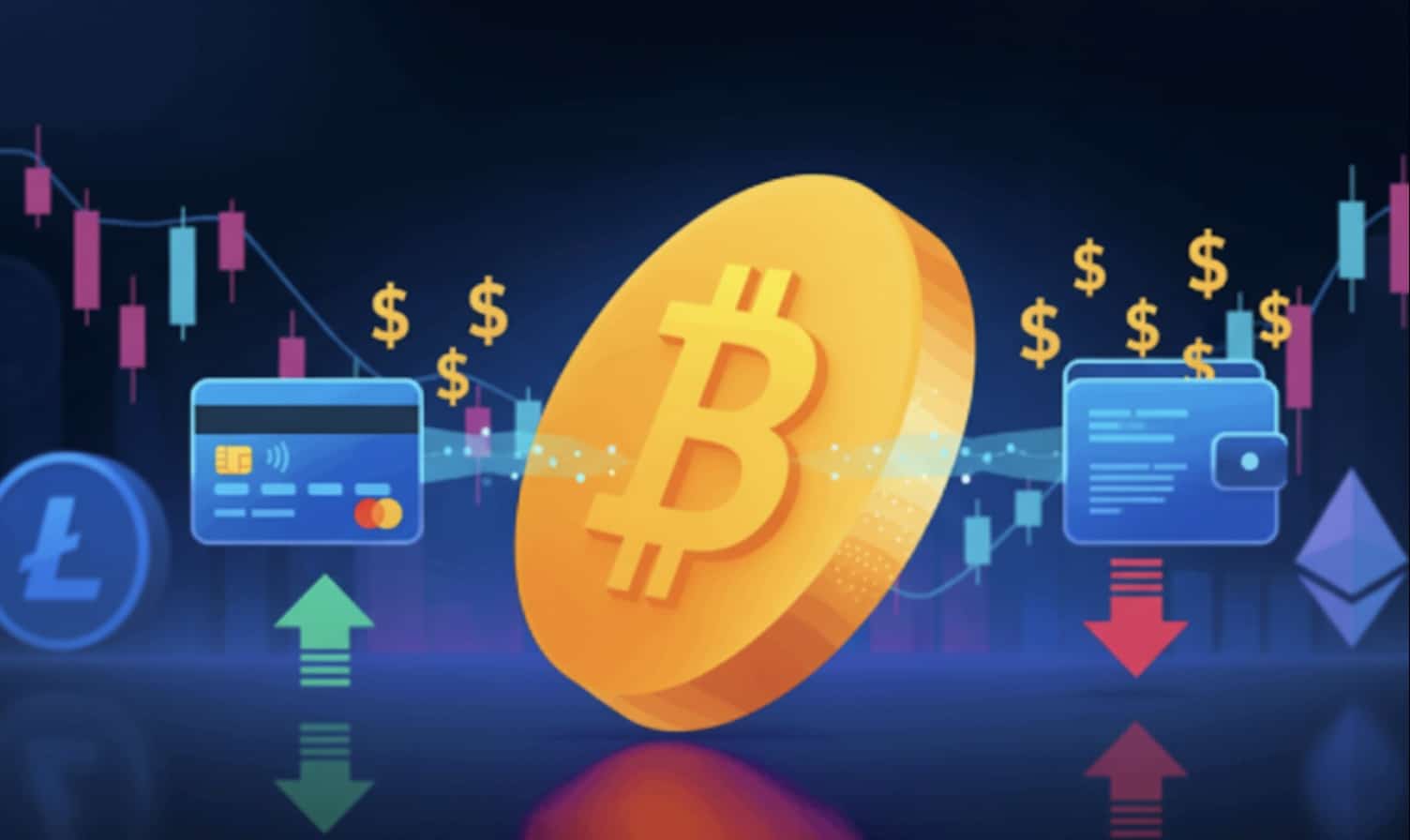
Key Fees to Watch – Crypto Trading Pair Comparison 2026
Understanding the fee structure is essential for maintaining a positive PnL (Profit and Loss). In the current high-frequency environment, small differences in percentages lead to large discrepancies in annual returns.
-
Maker vs. Taker Dynamics: Market orders (Takers) fill right away, but they cost more. Limit orders (Makers) add liquidity to the market and typically get big savings on fees.
-
The Liquidity Spread: An exchange with “zero fees” might nonetheless be expensive if the difference between the purchase and sell prices (the spread) is big.
-
Capital Velocity: The fees for deposits and withdrawals determine how rapidly you may shift money between cold storage and active trading.
-
Tiered Rebates: Legacy platforms like Binance and BTCC offer deep discounts based on 30-day trading volume or VIP status.
2026 Exchange Fee Ranking for Top Crypto Trading Pairs
The table below shows the usual retail fee levels for the most active pairs, such as BTC/USDT and ETH/USDC.
| Exchange | Maker Fee | Taker Fee | Strategic Advantage |
| BTCC Exchange | 0.03% | 0.06% | Industry-low base fees; 15-year security track record. |
| Binance | 0.10% | 0.10% | Deepest global liquidity for altcoin pairs. |
| Bybit | 0.10% | 0.10% | Robust derivatives engine with maker rebates. |
| Kraken Pro | 0.02% | 0.05% | High-tier institutional pricing (volume-dependent). |
| Coinbase Advanced | 0.40% | 0.60% | High regulatory compliance for US users; premium pricing. |
Note: The data shows the standard tiers as of March 2026. VIP programs sometimes let high-volume traders get discounted rates.
Why BTCC Exchange Leads Traders’ Choice in 2026
BTCC offers the lowest fee for traders in 2026. With an average of about $30billion in daily trading volume in its 14years of existence. BTCC Exchange remains a top choice for top profitable traders in the space.
•Lowest Fees: Maker 0.03%, Taker 0.06%—perfect for both spot and futures trading.
•Generous New User Bonuses: Up to $30,000 welcome bonus for first deposits.
•VIP & Volume Discounts: Reduced fees as trading volume grows, ideal for high-frequency traders.
•Instant Conversion: Swap between stablecoins and crypto safely and quickly.
For tutorials and guides on using tiered and risk control, BTCC Academy. It offers free resources for learning about exchange fee comparison, taking profitable steps and best practices.
In 2026, when a lot of newer exchanges are having trouble with hidden charges, BTCC is still the “low-friction” leader. It has been in business for 15 years and is commonly considered as a standard for how much expert execution should cost.
The “Cost-Zero” Strategy for New Traders
Margin Buffers are one of the best strategies for newbies to make up for the costs of their first trades.
-
Bonus Allocation: BTCC now has a tiered welcome bonus that can be as high as 30,000 USDT.
-
Tactical Use: Professionals use these rewards to pay for their initial taker costs, which means they are trading with “exchange-subsidized” money until they become used to how the order book works.
/ You can claim a welcome reward of up to 30,000 USDT🎁\
Hidden Costs That Affect Your Profit (How to Avoid Them)
Be cautious of the following points as ignorance can dwindle your profit margin:
- Poor market depth – check out the order book as your market order might be affected even with exchanges offering low fees.
- Fiat rails lag – Fund your account ahead of time as slow USD deposits mean you can’t trade instantly.
- Withdrawal gatekeeping – large withdrawal fees or anti-money laundering trigger can trap capital
- API throttling – Check rate limits if you run algos.
- State/regulatory restrictions – Always confirm available features and pairs ahead. Each state has its own differences and permissible features.
How to Choose the Best Exchange for your Trading Pair
-
Analyze Your Frequency: If you are an intraday scalper, you should search for low Taker fees. If you are a position trader, you should look for low withdrawal fees.
-
Verify Reserve Proofs: In 2026, you should never trade on an exchange without at least one Proof of Reserves.
-
Test Execution with Small Sizes: Make a trade of $100 to $200 to see how fast the “fill speed” really is and to look for hidden spreads.
-
Leverage Educational Resources: The BTCC Academy is one tool you can use to learn how to limit your risks better. If you don’t manage your stop-losses appropriately, saving 0.01% in fees won’t help.
Conclusion
You may be sure that fees are the only thing you can control in your trading firm. Prices in the market change, but your charge schedule stays the same. The easiest way to make sure your portfolio does well in the long run is to choose a platform with institutional-grade pricing and a lengthy history of stability.