BTCC Weekly Highlights (August 18-24): BTC Challenges $80,000 as New SEC Rules and Treasury Support Reshape the Market Narrative
 BTCCAuthor: furrykon
Global markets shifted rapidly this week from a "bond panic" to a "liquidity trade." The yield on the 30-year U.S. Treasury briefly climbed to around 5.34%, its highest level since 2007. U.S. Treasury Secretary Bessent then unexpectedly expanded buybacks of longer-dated government debt, sending long-term yields lower and weakening the dollar, while gold and BTC rallied in tandem.
Crypto was the standout sector in this cross-asset rebound. BTC surged from around $63,000 to an intraday high near $79,500, gaining roughly 23% for the week in one of its strongest weekly performances since March 2023. At the same time, the U.S. SEC introduced a dedicated regulatory framework for crypto asset issuance. Trump also convened crypto executives at the White House and again urged Congress to advance the CLARITY Act. Policy support, improving liquidity, and short covering converged to drive the rally.
Looking ahead, markets will focus on NVIDIA's earnings and Federal Reserve Chair Kevin Warsh's speech at the Jackson Hole symposium. Reuters noted that investors are still digesting high oil prices, elevated long-term Treasury yields, and the risk of further rate hikes. Technology valuations will also face another test from NVIDIA's results. For crypto, whether BTC can firmly hold $75,000 and move beyond $80,000 will depend on continued ETF inflows, further dollar weakness, and whether the current liquidity recovery develops from a short squeeze into sustained buying.
Key Highlights
1. BTC Challenges $80,000 in Its Strongest Weekly Rally Since 2023
BTC rapidly broke through the key $65,000, $70,000, and $75,000 levels after starting the week near $63,000. It reached an intraday high close to $79,500, leaving it just short of $80,000. BTC gained about 23% for the week, making this one of its strongest trading weeks since March 2023. ETH also advanced into the $2,500 range.
Related Assets: BTCUSDT, ETHUSDT
Commentary: BTC's breakout from a consolidation range that had persisted for several months triggered a wave of short liquidations, further amplifying volatility. Looking ahead, $80,000 is first and foremost a stress test for liquidity and market positioning. The decisive factor for the broader trend remains whether ETF inflows can continue.
Further Reading:
Why Did Bitcoin Rebound After Falling More Than 50%?
Bitcoin Targets $80,000: Analysts See $120,000 Next Year and $300,000 by 2030
BTC Breaks $76,000 After Surging 20% in Two Days. Is the Bull Market Back?
2. Bessent Moves to Support Treasuries as Long-Term Bond Buybacks Double
On August 19, U.S. Treasury Secretary Bessent unexpectedly announced that the size of each buyback operation for 10- to 30-year Treasuries would rise from $2 billion to at least $4 billion, effective September 9. Following the announcement, the 30-year Treasury yield quickly retreated to around 5.18%, while the 10-year yield fell to roughly 4.66%.
Commentary: Wall Street broadly welcomed the market-support measure but questioned whether its effects would last. Dan Gottlander, Citi's global head of U.S. dollar and Canadian dollar swaps trading, said larger buybacks would materially affect the long end, while stressing that they "won't change the deficit" and that the Treasury will ultimately need to keep issuing debt. Reuters argued that expanded buybacks could buy time but do not constitute a long-term solution to the fiscal problem.
Further Reading:
Bessent Steps In as the Treasury Market Tests the Department's "Floor"
The Treasury Steps In Directly to Contain Long-Term Yields
How U.S. Treasury Buybacks Helped Fuel Bitcoin's 8% Rally
U.S. Debt Quadrupled in 18 Years: How America Accumulated $40 Trillion in Less Than a Generation
3. SEC Unveils Dedicated Crypto Rules for Token Issuance
On August 18, the U.S. SEC released its Regulation Crypto Assets proposal, which would establish a dedicated regulatory framework for crypto asset issuance. The proposed rules would offer registration exemptions and a safe harbor for qualifying projects, including a small-offering exemption for startups. SEC Chair Paul Atkins said the goal is to provide market participants with a clearer, actionable path to compliance instead of continuing to rely solely on securities enforcement to interpret digital assets.
Related Assets: BTCUSDT, ETHUSDT, SOLUSDT
Commentary: Reuters said the rules mark a substantive shift in the U.S. regulatory approach. Rather than defining crypto assets mainly through enforcement actions, regulators are moving toward creating an institutional pathway for token financing. The United States is attempting to formally integrate token issuance into the securities market framework, although long-term certainty will ultimately depend on congressional legislation such as the CLARITY Act.
Further Reading:
Crypto's Biggest Bullish Development: Is Compliant Token Financing About to Return?
Can the Crypto Industry Learn to Create Assets Again Under the SEC's New Rules?
CFTC Chair Unveils a New Financial Road Map Covering Crypto, Prediction Markets, and Compute Markets
4. Trump Convenes Crypto Executives at the White House and Again Urges Congress to Pass the CLARITY Act
On August 19, Trump convened executives from the crypto and traditional finance industries at the White House. He urged Congress to pass a "fair version" of the CLARITY Act and stressed that the United States must remain a leader in emerging technologies including BTC, crypto assets, prediction markets, and AI.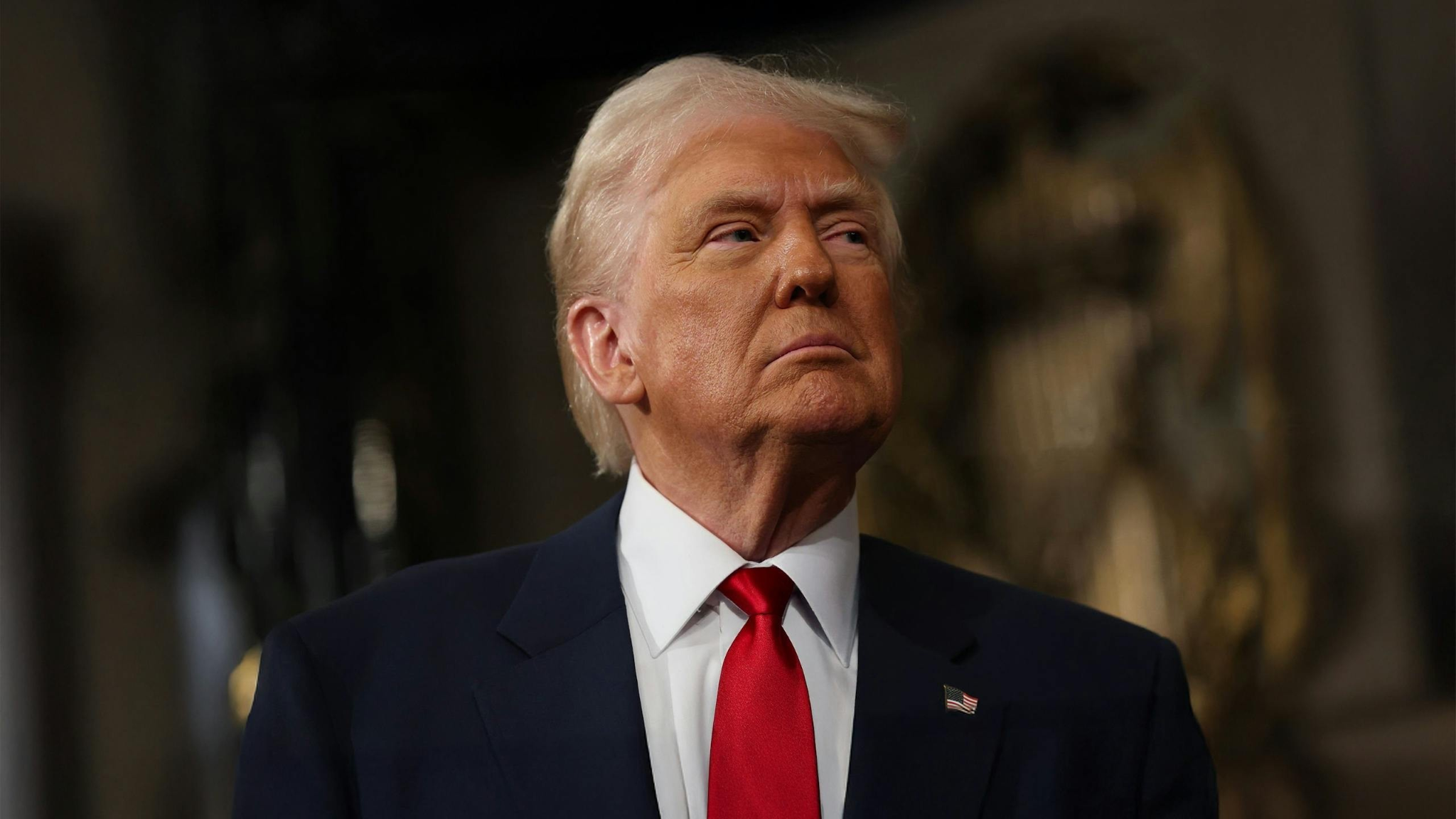
Related Assets: WLFIUSDT, HYPEUSDT, HOODUSDT
Commentary: Bloomberg viewed the White House meeting as an important signal that the Trump administration continues to incorporate crypto into the United States' technology competition strategy. Reuters, however, emphasized that the market cannot ignore the practical legislative obstacles. The CLARITY Act remains stalled in the Senate, where some Democratic lawmakers are demanding stricter restrictions on crypto-related conflicts of interest involving political figures. Trump's own crypto ventures and those of his family further complicate the issue.
Further Reading:
Hyperliquid, Legislative Appeals, and More: Key Takeaways from Trump's Speech
The White House Meeting Explained: What Did Trump Say?
Poll Finds Most Americans View the Trump Family's Crypto Investments as Improper
Ripple CEO Says U.S. Crypto Rules Are Approaching a Decisive Test
5. BTC Rally Returns Strategy to Profitability
As BTC surged above $75,000 this week, Strategy's massive Bitcoin holdings returned to profitability. As of August 21, Strategy held 840,447 BTC at an average purchase price of about $75,385, producing approximately $1.4 billion in unrealized gains. STRC also rebounded from a June low near $71 to above $95.
Related Assets: MSTRUSDT, BTCUSDT
Commentary: BTC's return to an upward cycle has temporarily eased concerns surrounding the Bitcoin treasury model, but its underlying problems have not disappeared. Strategy's recent actions show that its approach has evolved from simply "raising capital to buy BTC" into more complex balance-sheet management. This rebound has given Strategy's treasury model additional breathing room, but renewed market volatility could again pressure MSTR shares, preferred-stock prices, and future financing costs.
Further Reading:
Bitcoin Treasury Strategy Returns to Profit as BTC Moves Above $75,385
Michael Saylor Says Bitcoin Is Digital Energy
Strategy Passes on a Bitcoin Purchase After Raising $333.7 Million Through MSTR Sales
Other Highlights
What Should Investors Watch at This Week's Jackson Hole Symposium?
Trump Says U.S. Bitcoin Purchases Remain Under Review
Apple to Replace Its CEO in September: Will It Spend Big to Acquire a Major AI Company?
MiCA Is Cracking Down on USDT in Europe, but the Rest of the World Appears Unconcerned
Behind the GTA 6 Leak: Hackers Launch a Token and Turn Cybercrime into Web3 Marketing
Israel Confirms Lower Risk of Military Conflict but Remains Pessimistic About an Economic War
Goldman Sachs Buys Volatility and Turns Bitcoin into an Income Trade
Justin Sun Wins Court Battle, Keeping the World Liberty Financial Lawsuit Public
Century-Old Interlocking Directorates Rule Returns as a16z Faces Antitrust Scrutiny
Institutional Reports, Leading Voices, Trading Strategies, and This Week's Recommended Reads

Strive CEO: The Bear Market Is Over, and the Strongest Bull Market in History May Be Next
VanEck: Bitcoin Has Flashed Eight Bottom Signals, but a Rebound Could Take Months
Grayscale Research: Why Zcash Should Not Be Ignored in the Age of AI and Financial Privacy
Ray Dalio's Latest Macro Analysis in Full: Buy More Gold, and Add Some Bitcoin
Arthur Hayes Outlines the Economic Model of the AI-Centric Flop Network
Bitwise CIO: A 0% Crypto Allocation Means You Are Bearish on Crypto
Bernstein: Samsung's HBM4 Ramp Could Push Q3 Revenue Above SK hynix
Latest Campaign
"Daily Lucky DrawJoin to win a Leica M11-P, iPhone 17 Pro, DJI Mavic 4 Pro & More!"
This content is for informational and educational purposes only and does not constitute investment advice related to BTCC. BTCC makes every effort but cannot guarantee the truthfulness, accuracy, or originality of the content above.