UNI Surges: Trading Volume Up 10x in a Month
Original author: Ma He, Foresight News
On Aug. 31, UNI briefly broke through $5.4, hitting a new high since January 2026. After falling to $2.31 in June this year, UNI has rebounded all the way, with a gain of over 100% in the past three months. In the DeFi wave of 2020-2021, Uniswap was the leading DEX protocol, but in this cycle, it has fallen from grace, with little discussion and a long period of sideways decline in its token price.
What exactly has caused UNI to regain market favor?
Fee revenue of $4.29 million in the past 24 hours, stock token daily trading volume up 10x in one month
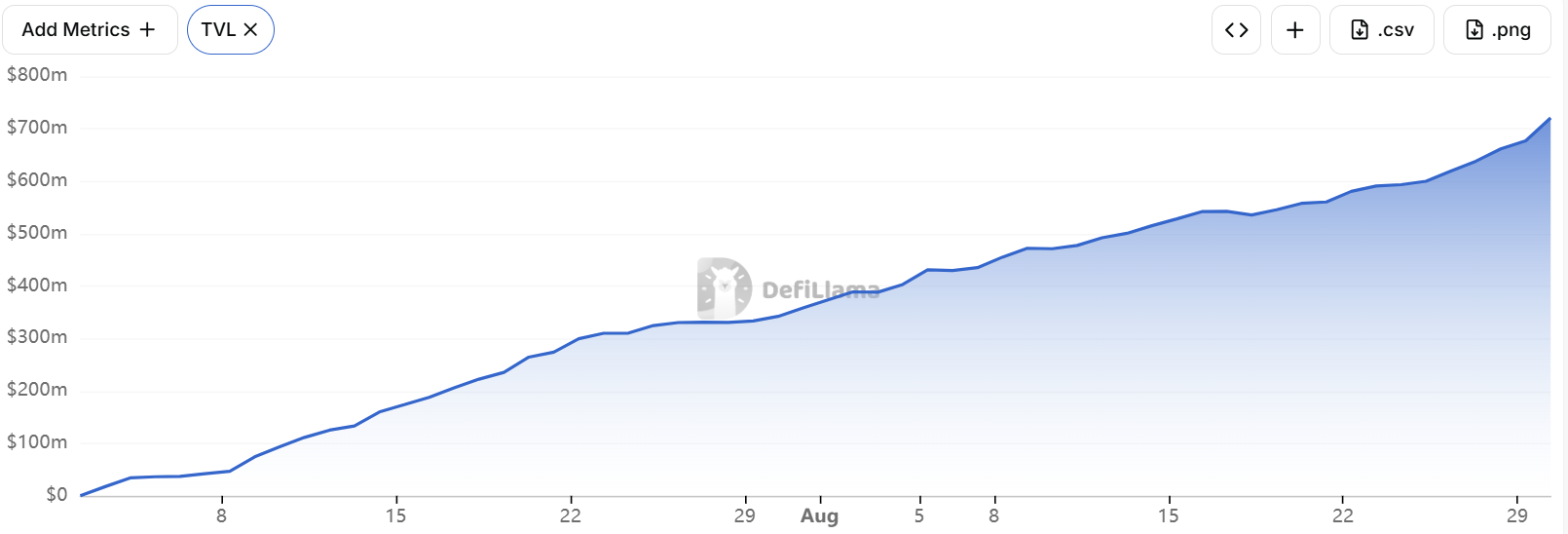
In July this year, Robinhood Chain's mainnet went live. As of Aug. 31, DefiLlama data shows its total TVL has exceeded $700 million.
Uniswap officially announced that its v2, v3, v4, and UniswapX have been the primary public AMM on this chain since day one of Robinhood Chain, with web, wallet, and API available simultaneously.
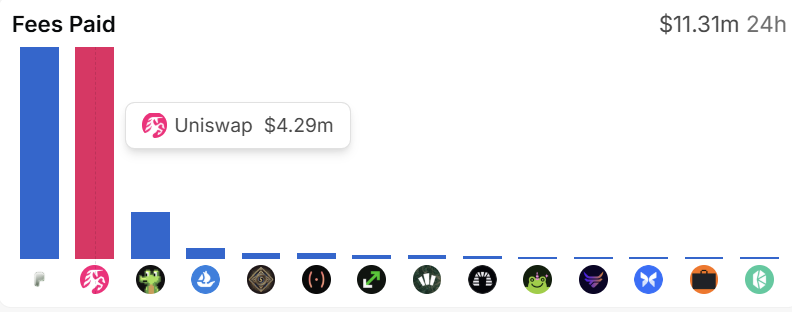
The latest data shows that its revenue in the past 24 hours was $4.29 million, accounting for nearly half of Robinhood Chain's fee revenue in the past 24 hours, second only to the token issuance platform Pons, and far ahead of other competitors.
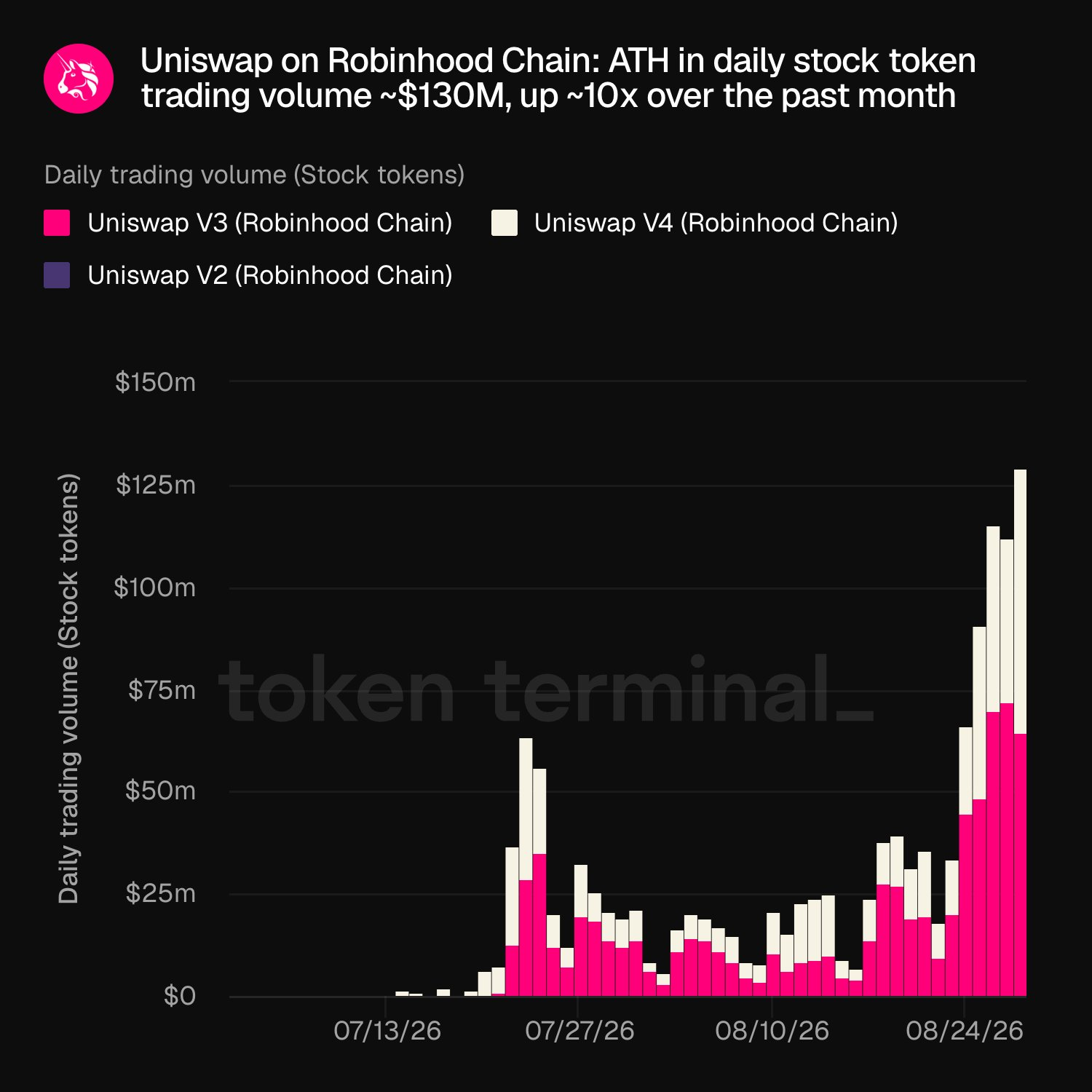
Token Terminal provided even more striking data: Uniswap's daily trading volume of tokenized stocks processed on Robinhood Chain hit a new high of about $130 million, up about 10x in the past month, with v3 and v4 volumes nearly equal.
Daily burn exceeds $400,000 in UNI
UNI tokens were fully unlocked back in 2024, yet the token price has remained lackluster.
Uniswap pools have always had fees. From 2020 to the end of 2025, almost all of this money went to liquidity providers (LPs). UNI was only used for voting. The protocol could generate hundreds of millions to over a billion dollars in fees per year, but the token itself had zero cash flow. This was the fee switch debate that raged for five years.
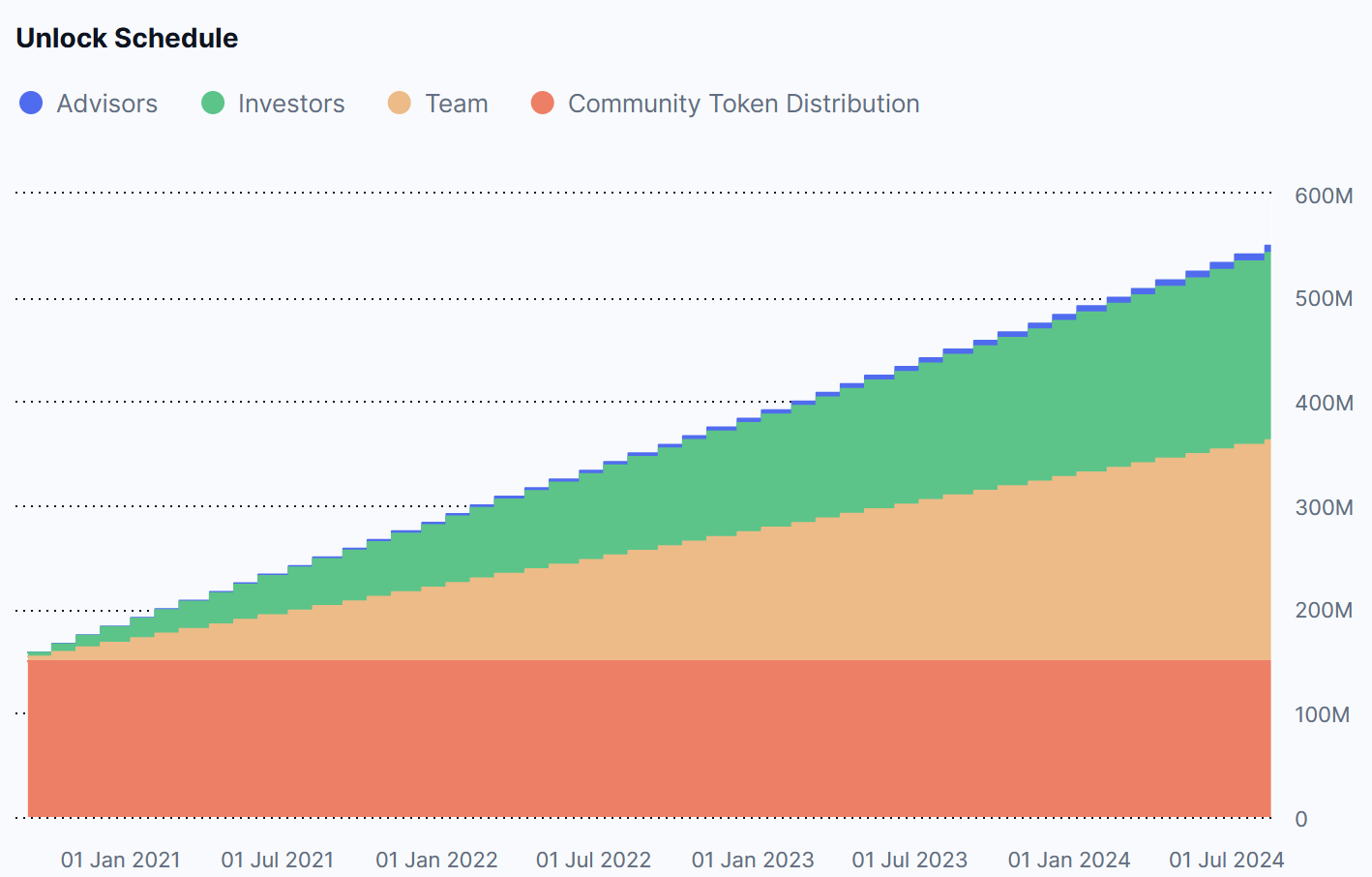
In December 2025, the much-criticized UNI tokenomics underwent a final vote and was approved. The core contents included: after a voting period of about two days, burn 100 million UNI and activate the protocol fee switch.
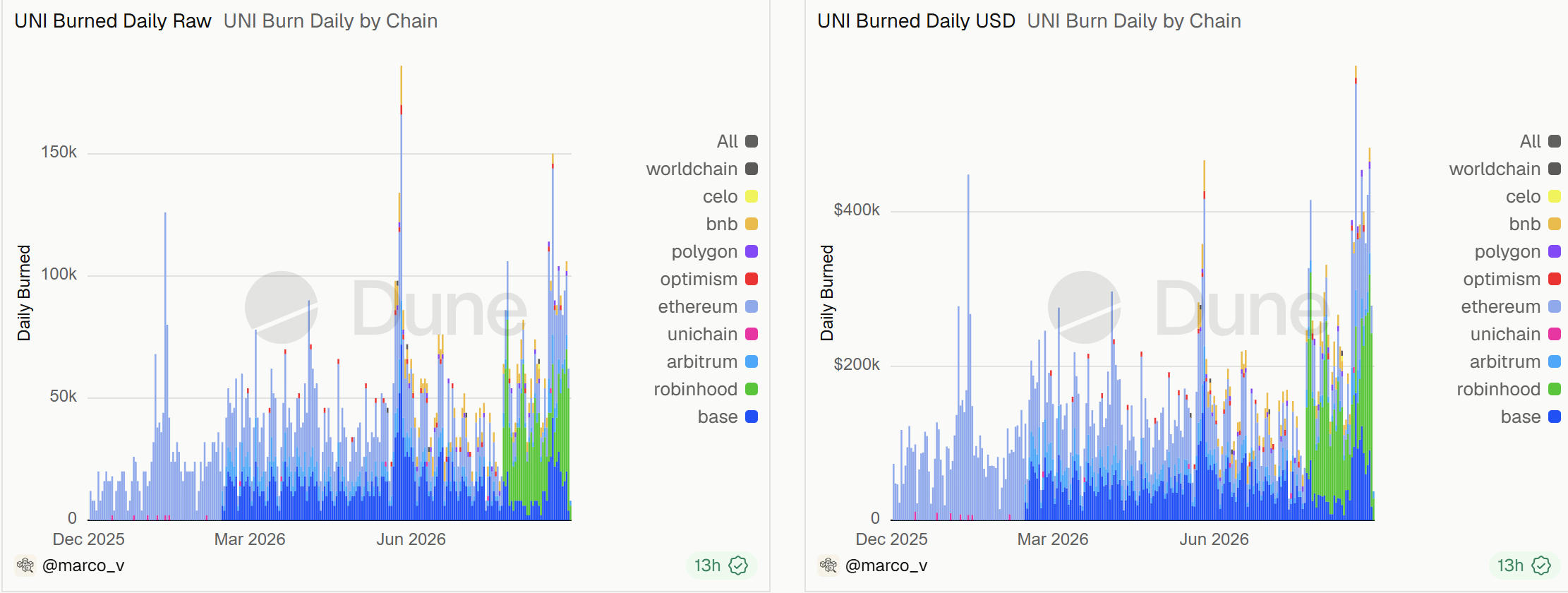
Dune's latest data shows that as of Aug. 31, the cumulative burn amount is about 110 million UNI, with a total burn value of $630 million.
Since August this year, it has burned over 100,000 UNI on multiple single days, with an average daily burn value of UNI exceeding $400,000, of which Robinhood Chain contributes nearly half.
UNI's burn is not simply using USDT/USDC to directly buy back UNI tokens.
The fees in Uniswap pools still mostly go to LPs. Uniswap only takes a small slice. On Robinhood, it takes about 6%. That slice does not go into Labs' bank account, but into a contract vault called TokenJar. The vault contains ETH, stablecoins, altcoins, tokenized stocks—whatever the pool collects. Whoever wants to take assets out of the vault must first burn an equivalent value of UNI.
This step is called Firepit.
Arbitrage bots monitor the net asset value in the TokenJar contract in real time, burn equivalent UNI to extract fee assets, and sell them on the secondary market to complete risk-free arbitrage.
On-chain transaction activity is positively correlated with protocol captured value, which in turn drives more arbitrageurs to burn UNI to extract profits, forming a deflationary flywheel for the UNI token.
In other words, the official turned "token buyback" into "on-chain auction of protocol revenue."
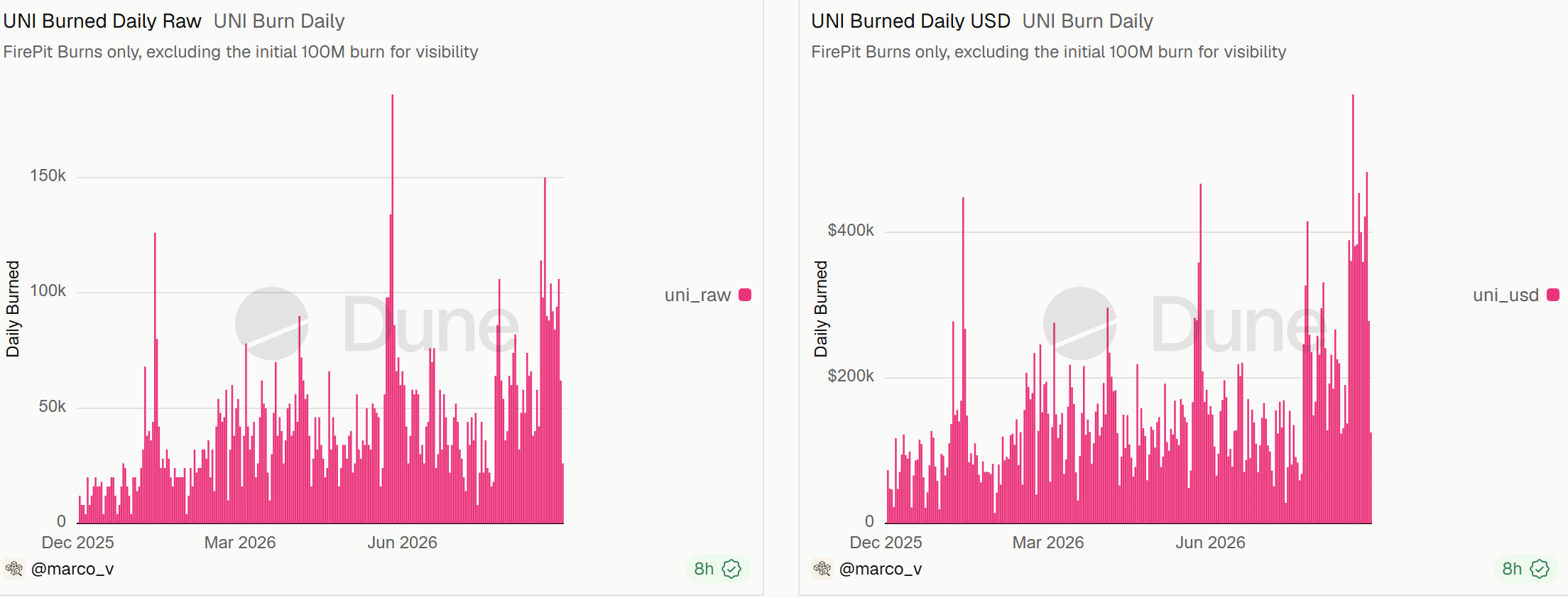
Dune data shows its burn data is still growing steadily.
Robinhood, to save on its own market maker costs and to avoid SEC's strict regulation on traditional brokers listing tokenized securities, connected non-US retail users and tokenized stocks to public AMMs instead of only keeping them in its own RFQ. Uniswap holds an important position on Robinhood Chain. Robinhood Chain's trading volume steadily becomes a net reduction in UNI, thereby driving the token price up.
Uniswap has long suffered from UNI being criticized for zero cash flow. It needs real external revenue to support its deflationary model, and Robinhood happens to need a deep and sufficiently decentralized settlement layer to process its tokenized stocks.
TradeFi and DeFi are deeply integrating.
This content is for informational and educational purposes only and does not constitute investment advice related to BTCC. BTCC makes every effort but cannot guarantee the truthfulness, accuracy, or originality of the content above.