Bitcoin and Ethereum Face Critical Risk After Israel Strikes Qatar - Market Turmoil Ahead?

Geopolitical shockwaves hit crypto markets as Middle East tensions escalate dramatically.
Digital assets plunge amid safe-haven flight as Israel targets Qatar in unprecedented strike.
BITCOIN TESTS KEY SUPPORT LEVELS
BTC tumbles below critical psychological thresholds as traders scramble for cover. The flagship cryptocurrency faces its most severe stress test since regulatory crackdowns began.
ETHEREUM NETWORK SHOWS STRAIN
Smart contract platforms bleed value alongside traditional risk assets. Institutional flows reverse course as correlation with traditional markets spikes unexpectedly.
LIQUIDITY CRUNCH LOOMS
Market makers pull bids while volatility spikes to annual extremes. The 'digital gold' narrative faces its toughest reality check yet—apparently gold only glitters when bullets aren't flying.
Traders now watch whether crypto's decentralized nature proves resilient or reveals its latent fragility under genuine global stress. The ultimate test isn't on charts—it's in bunkers and boardrooms.
Another Geopolitical Conflict To Derail The Bull Market?
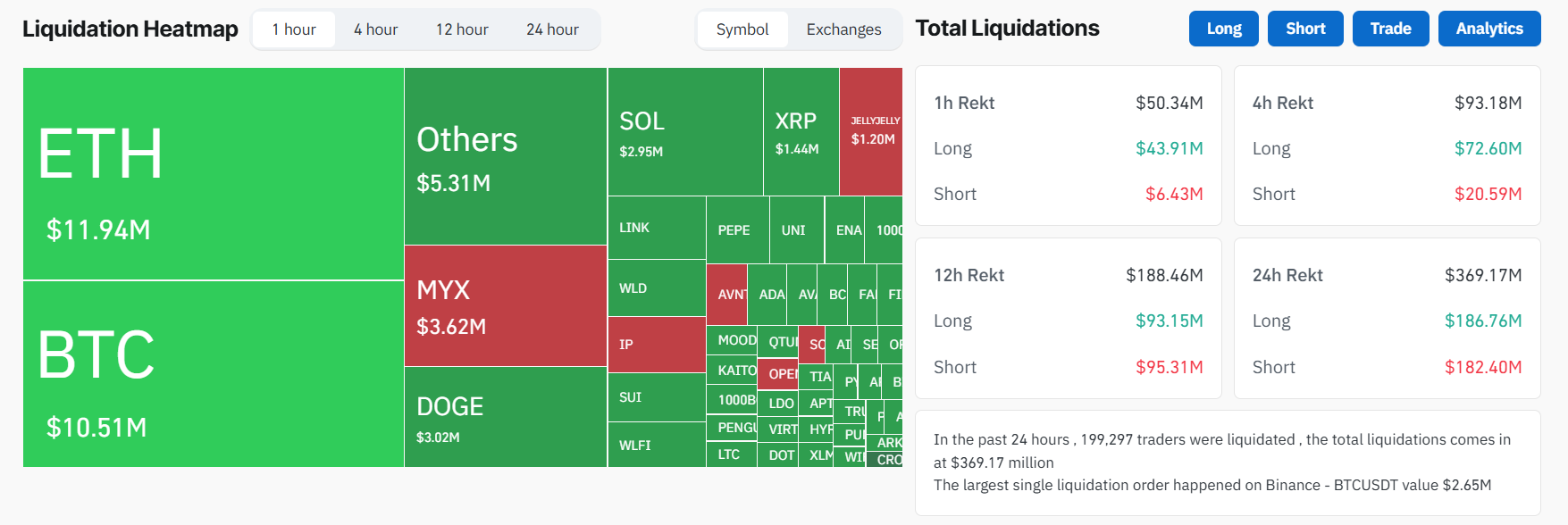
Data from Coinglass showed heavy liquidations as volatility surged. Nearly $52 million in Leveraged positions were wiped out in the last hour.
Long traders bore the brunt, with $44 million liquidated. Ethereum accounted for $11.9 million in liquidations, followed by Bitcoin with $10.5 million.
The scale of losses highlights how quickly leverage unraveled. In total, liquidations amounted to $370 million over the past 24 hours. Most positions were long bets on continued gains, exposing Optimism ahead of the strike.
In contrast, Gold surged to a record high immediately after Israel attacked Qatar as demand for safe-haven assets spiked.
Oil prices climbed by $1 per barrel, trading just under $67. Analysts called these moves rational responses to geopolitical risk, though oil gains may prove short-lived.
The divergence reflects Bitcoin’s struggle to live up to its “digital gold” label. While gold rallied, Bitcoin behaved like a high-beta risk asset.
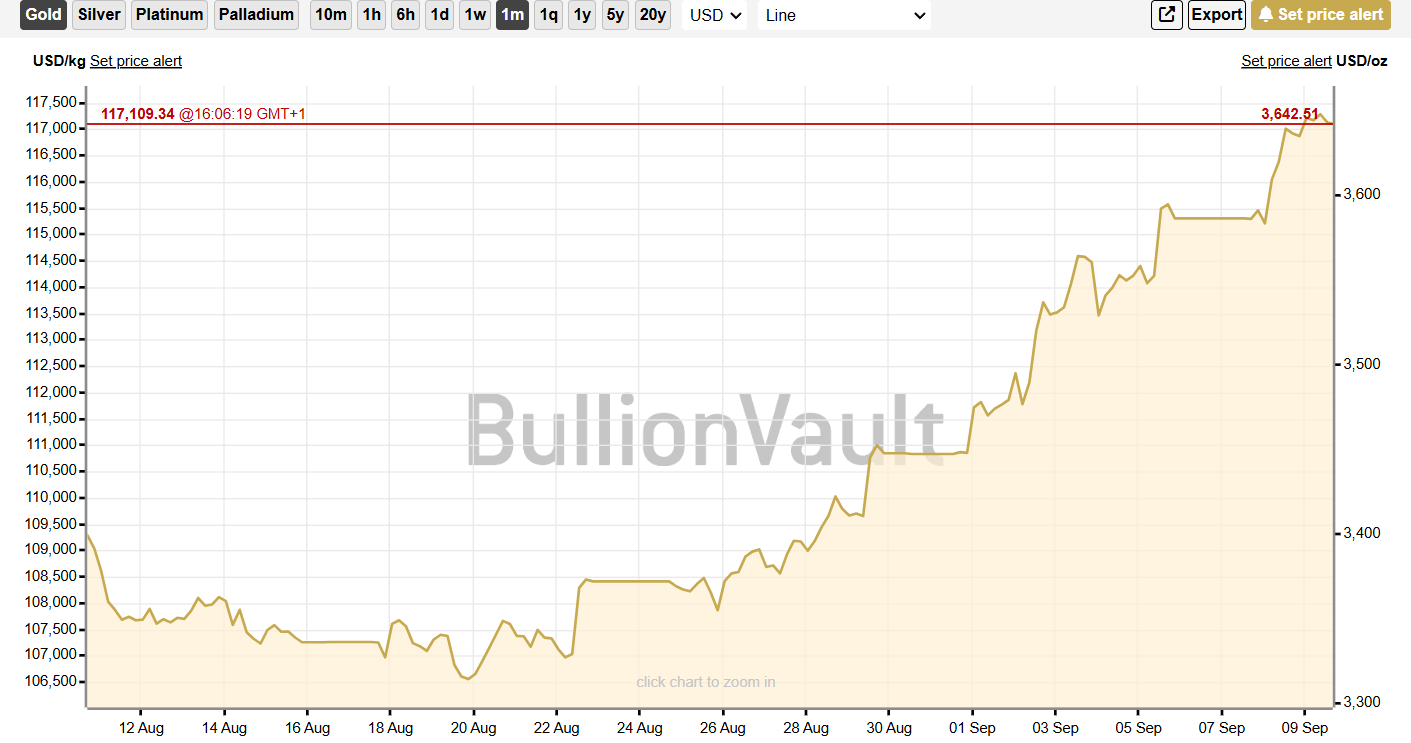
Correlation data confirms the shift, with the 30-day rolling LINK between the two assets turning slightly negative.
The strike on Doha carries major diplomatic implications, but markets reacted first to its immediate risk signals. Traders rapidly de-risked, moving out of volatile tokens into stablecoins and traditional havens.
Until confidence in its safe-haven qualities strengthens, bitcoin is likely to follow equities and risk assets during crises, rather than diverge from them.
