Vitalik Buterin Unveils Ethereum’s Ambitious Roadmap: Targeting BitTorrent-Scale Throughput and Linux-Level Global Adoption

Ethereum co-founder Vitalik Buterin just dropped the blockchain's latest playbook—and it's aiming for the stratosphere. The vision? Scale like BitTorrent, adopt like Linux. Forget incremental upgrades; this is a blueprint for total system dominance.
The Throughput Gambit
The roadmap zeroes in on scaling, and not by a little. The target is BitTorrent-level data sharding—a peer-to-peer architecture that could theoretically handle millions of transactions per second. It's a direct shot across the bow of legacy financial rails and even newer, centralized 'high-speed' chains. The goal isn't just to be faster; it's to be unstoppable.
The Adoption Endgame
Then there's the adoption play. Buterin isn't talking niche developer tools. The comparison is Linux: the open-source, foundational layer that runs the world's servers, embedded systems, and supercomputers. The implication is clear. Ethereum wants to be the silent, trustless engine powering everything from global supply chains to your digital identity—ubiquitous but invisible.
Building the Machine
How do you get there? The roadmap outlines a multi-pronged assault. Rollups get supercharged with dedicated data availability layers. The consensus mechanism gets leaner and meaner. User experience shifts from cryptic to seamless. Every upgrade interlinks, pushing the network toward that dual peak of raw capacity and effortless usability.
The Finance Angle (With a Jab)
For the TradFi crowd watching from their Bloomberg terminals, this might sound like tech utopianism. They're busy chasing basis points on a quarterly earnings call while Buterin is engineering the settlement layer for the next century. It's the classic clash: optimizing the existing system versus building a new one from the ground up. One promises a slightly better return; the other promises to rewrite the rules entirely.
The final take? This isn't a routine update. It's a declaration of intent. Ethereum is moving past its 'world computer' phase and targeting infrastructure status—as fundamental to digital life as file-sharing protocols and open-source operating systems. The build continues, and the ambition just got a major upgrade.
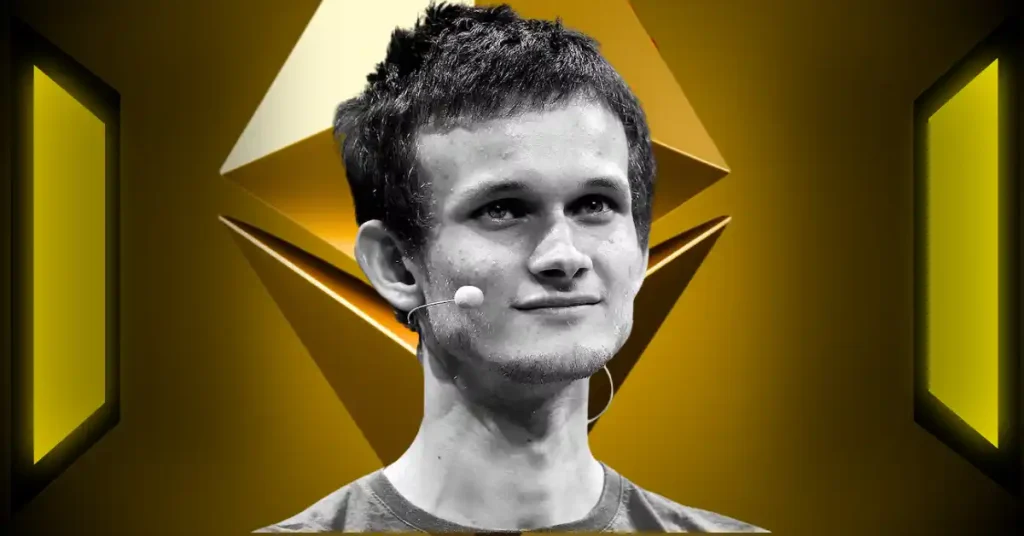
Ethereum co-founder Vitalik Buterin shared his vision for the network on X on January 8, comparing Ethereum to two well-known systems: BitTorrent and Linux.
Both are decentralized, open-source, and used by millions. Buterin believes ethereum is heading in the same direction.
“One metaphor for Ethereum is BitTorrent, and how that p2p network combines decentralization and mass scale,” Buterin wrote. “Ethereum’s goal is to do the same thing but with consensus.“
BitTorrent showed that peer-to-peer networks can handle massive global demand without relying on central servers. Buterin pointed out that even governments use BitTorrent to distribute large files to users.
The Linux Connection
The second comparison goes deeper into enterprise adoption.
Linux is free and open-source, and Buterin noted it “does not compromise on this.” Yet billions of people, major corporations, and governments depend on it daily.
Buterin said many enterprises actually want to build on open systems. He put it simply: “What we call trustlessness, they call prudent counterparty risk minimization.”
In other words, institutions are not looking for crypto ideology. They want infrastructure that reduces risk.
Buterin said Ethereum’s LAYER 1 should work as the “financial, identity, social, governance home” for individuals and organizations who want full access to the network without depending on intermediaries.
What This Means Going Forward
Buterin’s message is clear. Ethereum is not just for crypto users. If it follows the Linux path, enterprise and government adoption could grow, just like it did for open-source software decades ago.
