Ethereum’s Grand Ambition: Redefining Freedom, Scaling New Heights, and Building Unbreakable Trust

Forget everything you thought you knew about digital infrastructure. Ethereum isn't just upgrading its network—it's launching a full-scale assault on the very concept of centralized control.
The Freedom Protocol
Ethereum cuts out the middleman. No more asking permission from banks or governments to move value, create assets, or build organizations. Its decentralized architecture bypasses traditional gatekeepers entirely—turning every smartphone into a potential branch of a global, user-owned financial system. Wall Street's old guard is watching from the sidelines, clutching their spreadsheets while code executes what used to require an army of lawyers.
Scaling the Unscalable
Layer 2 rollups aren't just a tech fix; they're a multiplier. They bundle transactions off the main chain, slashing fees and supercharging throughput without sacrificing the bedrock security of Ethereum's base layer. It's the difference between a single-lane road and a hyperloop network—both heading to the same decentralized destination, but one gets you there before your coffee gets cold.
The Trust Machine
Smart contracts don't need handshakes or boardroom approvals. They run exactly as programmed, every single time, creating a layer of cryptographic certainty that human institutions can only dream of. This isn't about replacing trust—it's about making it obsolete. The code is the final arbiter, a reality that leaves traditional finance's 'trust us' model looking quaint, if not outright archaic. After all, in high finance, 'trust' is often just another word for 'profitable opacity.'
Ethereum's vision pulls no punches: build a global, open-source system for agreement that operates beyond the reach of any single entity. It's a bet that freedom, scale, and algorithmic trust will prove more resilient—and more valuable—than the entire legacy apparatus they aim to displace. The revolution won't be televised. It will be verified, block by immutable block.
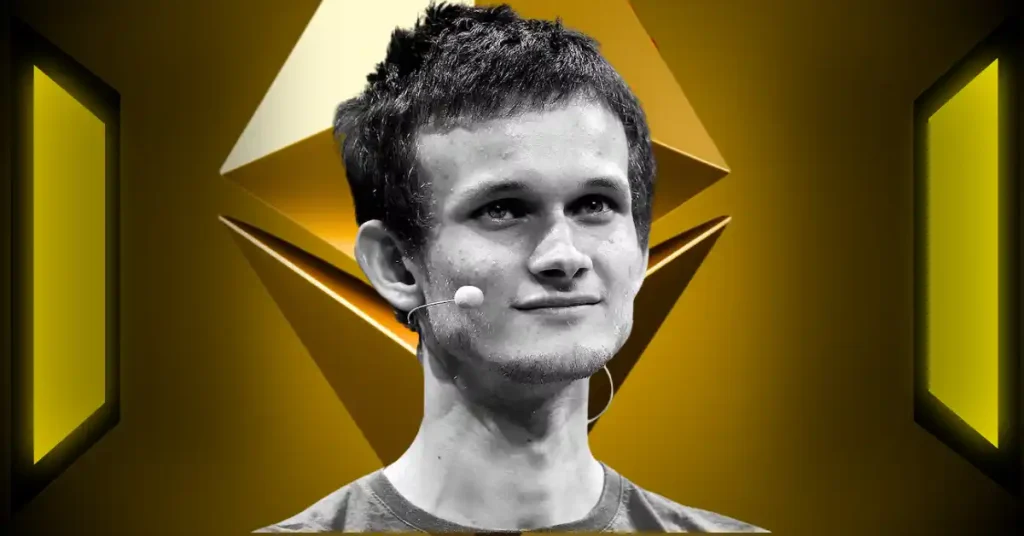
Ethereum co-founder Vitalik Buterin says Ethereum draws inspiration from both BitTorrent and Linux to define its future. Like BitTorrent, it proves decentralized systems can scale globally without central control. Like Linux, it shows that open and permissionless networks can gain trust from enterprises and governments. Buterin explained that Ethereum’s Layer 1 is designed to be a neutral financial and infrastructure foundation, enabling individuals and organizations to operate autonomously, reduce dependence on intermediaries, and support large-scale, real-world adoption.
