Bhutan’s Digital Leap: Sovereign Gold-Backed TER Token Launches, Redefining National Strategy

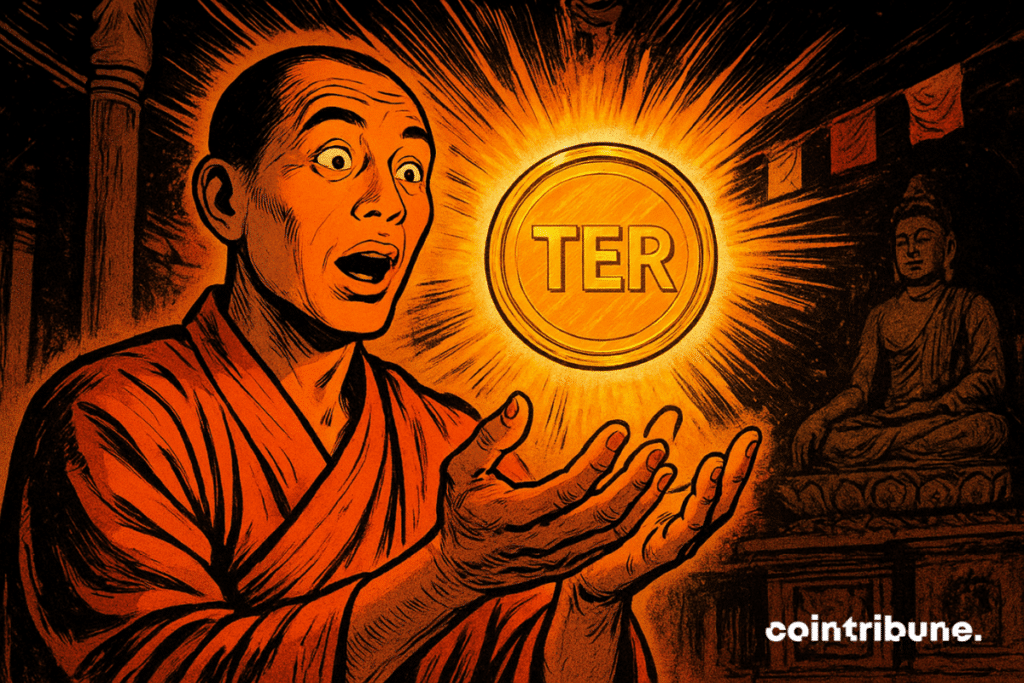
Move over, Bitcoin—a Himalayan kingdom is making a sovereign play for the digital future. Bhutan just dropped its own gold-backed digital token, the TER, marking a serious escalation in its national crypto strategy. This isn't some experimental central bank digital currency (CBDC); it's a tangible asset, digitized.
The Gold Standard, Rebooted
Forget abstract monetary policy. Each TER token is directly convertible to physical gold held in reserve. It cuts through the typical fiat volatility by tethering value to a millennia-old standard. The move bypasses complex forex mechanisms, offering a potential haven asset with a sovereign guarantee—a digital gold certificate for the blockchain age.
Strategy Beyond the Hype
This launch isn't happening in a vacuum. It deepens Bhutan's existing forays into digital assets, positioning the nation not just as an adopter but as an architect. The goal? Financial innovation, yes, but also greater economic sovereignty and a modernized treasury tool. It's a calculated bet on asset-backed digitization over purely algorithmic stablecoins.
A New Player on the Board
The entry of a sovereign nation with a gold-backed token throws a new variable into the global crypto ecosystem. It challenges private stablecoin issuers and offers a state-sanctioned model for asset digitization. Other nations watching from the sidelines now have a live case study—one that blends ancient value storage with cutting-edge ledger technology.
The bottom line? While Wall Street debates ETFs, a kingdom famed for its Gross National Happiness index is quietly building a digital gold vault. Sometimes, the most provocative moves in finance come from the places you least expect—a welcome jab at the usual suspects who think innovation only flows from traditional financial hubs.
 Read us on Google News
In brief
- Bhutan introduces TER, a gold-backed token issued on Solana and secured by DK Bank under sovereign oversight.
- Distribution begins with TER held in custody, offering a familiar process similar to buying physical gold at a bank.
- Digital initiatives include BTC mining, large crypto reserves, and a national digital identity system on Ethereum.
- Tourism and payments advance as merchants adopt Binance Pay and Bhutan expands activity across blockchain networks.
Bhutan Officials Promote TER as Part of Long-Term Digital Finance Plan
GMC says TER will be issued on the solana blockchain, with DK Bank serving as custodian for the physical gold. DK Bank is a regulated digital asset bank under Bhutan’s government, giving the project official backing. Technology support comes from Matrixdock, which tokenizes the underlying gold and connects it to the blockchain infrastructure.
In the first rollout phase, TER will remain in custody at DK Bank while the city finalizes distribution plans. According to GMC, buying TER will follow a process similar to purchasing physical Gold through a traditional financial institution. The model is meant to give investors a familiar entry into digital assets backed by real-world value.
Jigdrel Singay, a member of GMC’s Board of Directors, said the launch fits the city’s mission to build a values-driven digital economy. He described TER as a way to connect Bhutan’s heritage with new technology while positioning Gelephu as a center for mindful innovation. His comments place TER within a long-term plan for transparent and steady digital finance.
Digital Identity System on Ethereum Reaches 800,000 Citizens
Bhutan sees the gold-backed token as a hedge against inflation and a step forward in its national blockchain roadmap. The country has been active in digital assets for several years and now stands out among early movers among sovereigns.
Bhutan’s broader digital plan includes several milestones:
- Bitcoin mining powered by hydroelectric energy since 2019.
- Nearly 6,000 BTC in national reserves, according to Arkham Intelligence.
- A digital asset reserve holding BTC, Ether, memecoins, and other altcoins.
- Use of blockchain to support economic development and future city projects.
- Expansion into tokenized assets through global partnerships.
Crypto activity also supports tourism and payment modernization in Bhutan. Officials view blockchain systems as a way to strengthen digital control and widen access to public services. Almost 800,000 citizens use a national digital identity system built on ethereum to verify their identities and access online platforms.
Local merchants and tourism operators accept Binance Pay, boosting the use of crypto in everyday transactions. Bhutan has also staked 320 ETH—worth about USD 970,000—through Figment, adding to its presence in institutional blockchain networks.
Maximize your Cointribune experience with our "Read to Earn" program! For every article you read, earn points and access exclusive rewards. Sign up now and start earning benefits.
