StandX: Master Airdrop Farming in 2025 with These 3 Simple Steps

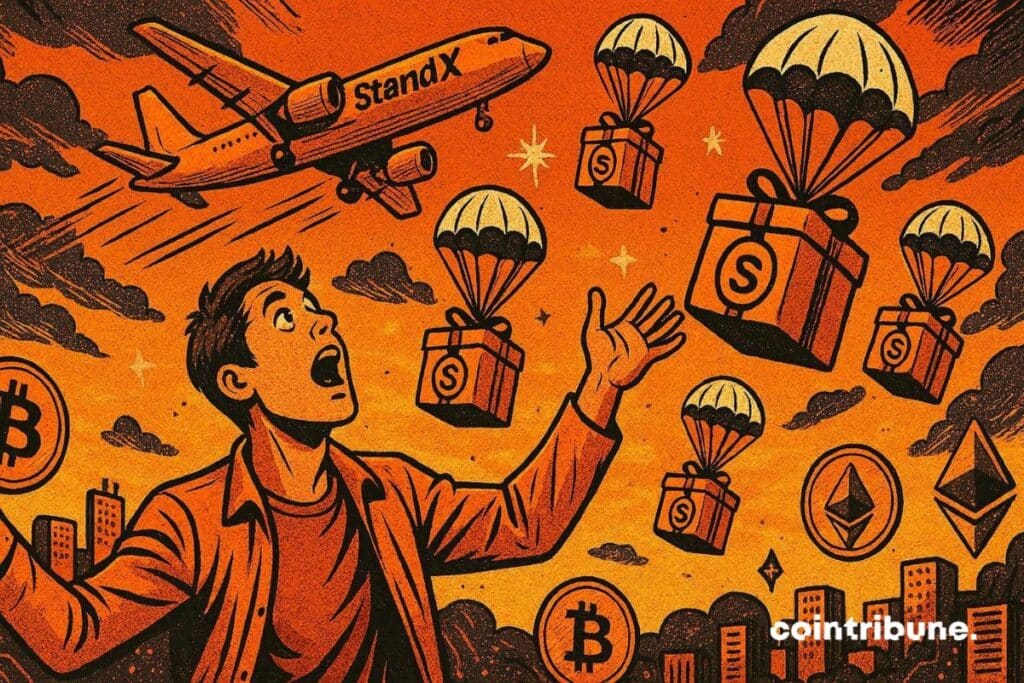
Forget waiting for the next bull run to land in your lap. The real crypto gains aren't just bought—they're farmed. Airdrop farming has evolved from a niche hobby into a sophisticated strategy, and platforms like StandX are cutting through the noise to put free tokens directly into user wallets. Here's how to get your share before the next cycle peaks.
Step 1: Identify the Right Ecosystem
Not all chains are created equal for airdrop potential. The smart move is targeting emerging Layer 1s or Layer 2s with robust developer activity and unannounced token plans. Engage early. Bridge assets, perform a handful of test transactions, and interact with nascent DeFi protocols. Activity begets attention, and attention gets you on the snapshot list.
Step 2: Execute Consistent, Authentic Interaction
Algorithms sniff out mercenary capital. The key is consistent, low-value engagement over time. Don't just dump and run. Provide liquidity in a pool, stake a modest amount, or vote in a governance proposal. This isn't about brute force; it's about demonstrating you're a user, not a ghost. Three genuine interactions often outweigh thirty suspiciously timed swaps.
Step 3: Secure Your Claims and Manage the Bag
Found the golden ticket? Don't fumble the claim. Use a fresh wallet for interactions to mitigate security risks. Once tokens land, have an exit strategy. Will you hold for the long term, or take profit on the inevitable hype spike? Remember, an airdrop is a zero-cost basis asset—treating it like 'free money' is how you end up holding the bag while the VCs cash out.
In a market obsessed with leverage and derivatives, airdrop farming remains one of the few asymmetric bets left—high potential upside with minimal capital risk. It rewards the curious and punishes the passive. Just remember, for every 'degen' scoring life-changing money, there's a hedge fund analyst somewhere charging a 2% management fee to underperform a meme coin portfolio.
 Read us on Google News
In Brief
- StandX is a DeFi protocol focused on perpetual contracts and its DUSD stablecoin, which generates interest automatically.
- 3 strategies to farm airdrops on StandX: hold DUSD, provide liquidity, or trade perpetual contracts.
- Risks to know about DeFi Airdrop Farming: no guarantee, market volatility, and smart contract security.
Airdrop Farming in DeFi: Mechanisms and Stakes
Airdrop farming is based on a simple logic: the more a crypto user interacts with a DeFi protocol, the higher their chances of receiving an airdrop. Indeed, projects use point systems to reward actions like holding tokens, providing liquidity, or trading. These mechanisms aim to retain early adopters and stimulate protocol adoption.
However, identifying promising and reliable protocols among hundreds of options can be complex. Eligibility criteria vary from project to project, and users must carefully analyze point mechanisms, required on-chain activity, and the credibility of the team behind the protocol.
StandX and Airdrop Farming: How to Maximize Your Chances?
Among the multitude of existing DeFi protocols, StandX stands out for its particular approach to perpetual contracts and its native stablecoin, DUSD. The latter, pegged to the dollar, automatically generates interest without requiring additional staking, making it an attractive tool for crypto investors. The protocol therefore relies on capital efficiency and user incentives to stand out in a competitive market. Moreover, StandX offers several methods to maximize the chances of receiving an airdrop.
- Hold or mint DUSD:
Convert stablecoins (USDT/USDC) to DUSD. The longer you hold it, the more points you accumulate for a future airdrop.
- Provide liquidity:
Add liquidity to pairs including DUSD. This action often offers additional bonus points to maximize your chances.
- Trade and participate in the community:
Trade perpetual contracts on StandX or engage on social media. Even moderate activity can improve your eligibility.
However, it is crucial to remember that these actions do not guarantee an airdrop. Risks related to smart contracts, stablecoin de-pegging, and liquidity should be taken into account.
Risks and Limits of Airdrop Farming in DeFi
Airdrop farming, although attractive, carries major risks. The first is the lack of guarantee: no project formally commits to distributing tokens, even after active participation. Users also must deal with technical hazards, such as smart contract vulnerabilities or liquidity attacks, which can lead to financial losses.
Another challenge is regulation. Airdrops, often perceived as free distributions, can be reclassified by authorities, notably in fiscal matters. Finally, crypto market volatility can make potential gains illusory, especially if the protocol fails to deliver on long-term promises. To limit these risks, it is advisable to focus on audited, transparent projects with an active community. Regular monitoring and strict portfolio management remain essential.
Airdrop farming in DeFi certainly offers opportunities but requires a thoughtful and cautious approach. Protocols like StandX illustrate the potential of this practice while reminding of the inherent risks in a constantly evolving ecosystem. The key lies in balancing engagement and risk management. In your opinion, do these mechanisms favor sustainable adoption, or are they just a lure to attract ephemeral liquidity?
Maximize your Cointribune experience with our "Read to Earn" program! For every article you read, earn points and access exclusive rewards. Sign up now and start earning benefits.
