Stealka Malware Disguised as Game Mods Now Targeting Crypto Wallets, Kaspersky Issues Urgent Warning
Another day, another digital heist—only this time, the Trojan horse looks like a game mod.
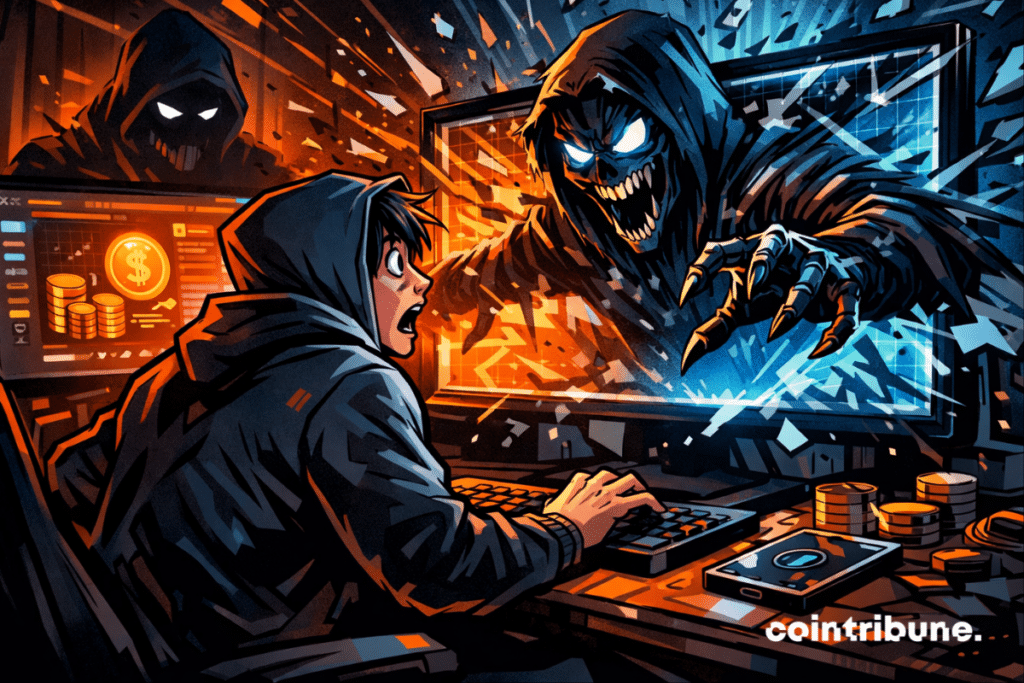
Security researchers at Kaspersky have flagged a sophisticated new threat dubbed 'Stealka.' This malware isn't trying to crash your system; it's after your cryptocurrency. By masquerading as popular game modifications—the kind downloaded by millions—it slips past casual defenses and gets to work.
The Silent Extraction
Once installed, Stealka operates like a digital pickpocket. It doesn't make a scene. Instead, it quietly scans infected devices for traces of crypto wallets and their associated seed phrases or private keys. The malware targets a broad range of wallet applications, aiming to drain funds before the user ever notices a discrepancy. It's a stark reminder that in crypto, you're often your own bank—and your own security guard.
Why This Vector Works
Gaming communities are built on trust and shared passion. Players routinely download mods from forums and unofficial sources to enhance their experience. This inherent trust is the vulnerability Stealka exploits. The malware's creators package it within seemingly legitimate mod installers, leveraging the community's open ecosystem to bypass initial suspicion. It's a social engineering play as much as a technical one.
The Industry's Persistent Blind Spot
While exchanges fortify their defenses with multi-million dollar security budgets, the individual user's endpoint remains the weakest link. Attacks like Stealka highlight a persistent gap in the security chain. Sophisticated blockchain protocols mean nothing if a private key is harvested from a compromised desktop. It's the crypto equivalent of installing a vault door on a tent.
Staying Secure in a Risky Landscape
Vigilance is the non-negotiable price of participation. Experts recommend downloading software only from official, verified sources, using hardware wallets for significant holdings, and maintaining updated system and antivirus protection. For the crypto-native, this is basic hygiene. For the newcomer lured in by bull market promises, it's a critical and often overlooked lesson.
As the line between gaming, entertainment, and finance continues to blur, so do the attack vectors. Stealka is less an anomaly and more a signpost for the future of digital asset theft—silent, targeted, and dressed in a convincing costume. In the high-stakes game of crypto, sometimes the biggest risk isn't market volatility; it's the free 'upgrade' for your favorite game. After all, what's a little malware between friends when there are Lamborghinis on the line?
 Read us on Google News
In brief
- Kaspersky describes Stealka as a Windows malware that targets crypto wallets and browser extensions while posing as game mods or cheat files.
- Popular crypto wallets like MetaMask, Coinbase, Binance, and Trust Wallet are at risk from this malware.
- Kaspersky recommends antivirus protection, two-factor authentication, cautious downloads, and backup codes to lower Stealka risk.
Stealka’s Operation and Distribution Tactics
According to Kaspersky, Stealka only becomes active when the file is opened manually by the user, after which the malware begins executing its functions. It quietly gathers sensitive information from the device and forwards it to the perpetrators’ systems, allowing attackers to access user accounts, cryptocurrency funds, and run crypto mining programs without the user’s knowledge.
The malware is commonly distributed through popular platforms, including GitHub, SourceForge, Softpedia, and sites.google.com. In more sophisticated attacks, cybercriminals create entirely fabricated websites that appear legitimate, sometimes using artificial intelligence tools to enhance their appearance. Without strong antivirus protection, ordinary users are unlikely to detect the deception. Even when downloads look suspicious, many users may still be misled into running the malware.
Stealka’s Targets and Data Theft Capabilities
Stealka is equipped with a variety of tools, but its primary focus is harvesting information from browsers built on Chromium and Gecko engines. This exposes over a hundred browsers to potential compromise, including widely used ones like Chrome, Firefox, Opera, Yandex Browser, Edge, and Brave. The malware exploits stored data such as login credentials, addresses, and payment card information, allowing attackers to gain full access to accounts and systems.
In addition, Stealka can interact with the configurations and stored data of 115 browser extensions, including those for cryptocurrency wallets, password management, and two-factor authentication. Wallets at risk include Crypto.com, SafePal, Trust Wallet, Binance, Coinbase, MetaMask, Ton, and Exodus, among others.
Precautionary Measures for Users
To defend against threats like Stealka, Kaspersky recommends several measures, including the following:
- Installing and maintaining reputable antivirus software, while noting that even files from trusted websites can be risky because cybercriminals may exploit well-known platforms.
- Exercising caution with downloads such as game hacks, mods, or unlicensed software, and avoiding storing sensitive information directly in browsers to reduce potential exposure.
- Enabling two-factor authentication, which adds an extra layer of protection and makes unauthorized access more difficult.
- Keeping backup codes for important accounts, allowing recovery if credentials are compromised, and reinforcing overall account security.
Stealka is part of a broader pattern of cyber threats that continue to grow in scale and sophistication. Cloudflare recently reported that phishing emails are a major part of email-based threats, with more than half of dangerous messages containing phishing links. In total, over 5% of emails sent worldwide carry harmful content, and about a quarter of these include malicious HTML attachments. This shows the extensive reach of cyber threats beyond individual malware campaigns and reflects the importance of proactive digital security measures.
Maximize your Cointribune experience with our "Read to Earn" program! For every article you read, earn points and access exclusive rewards. Sign up now and start earning benefits.
