Simple error or dangerous laxity? Binance crypto exchange under pressure as regulatory scrutiny intensifies

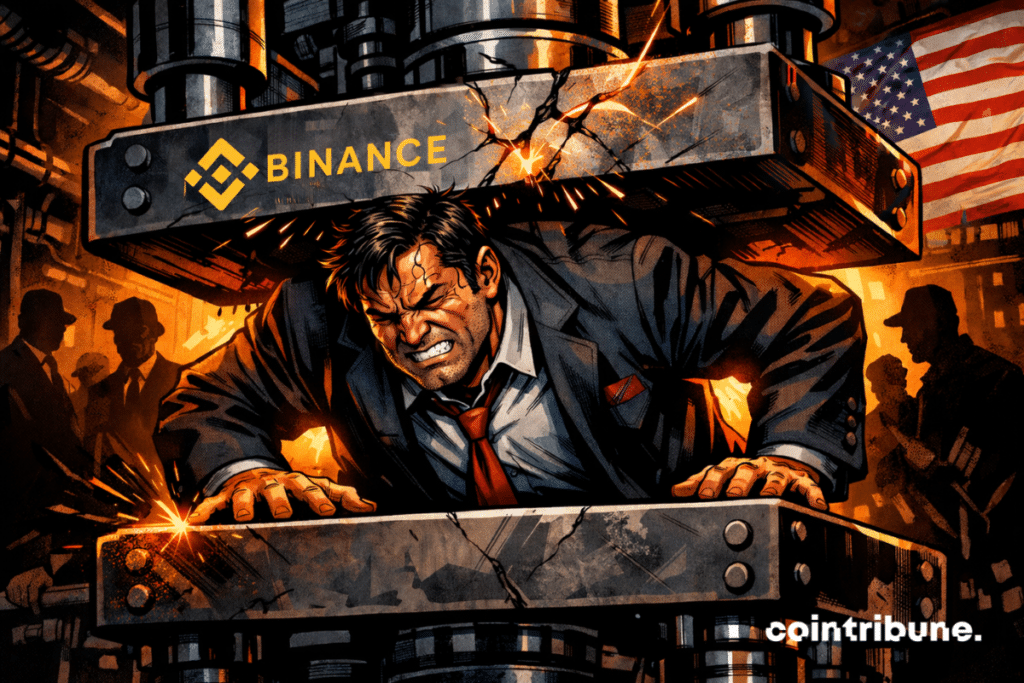
Binance faces mounting pressure as regulators question whether recent compliance issues stem from simple oversights or a deeper, systemic problem.
The regulatory hammer looms
Global watchdogs are circling. The Financial Services Agency (FSA) in Japan and other major jurisdictions have sharpened their focus, demanding clearer answers on operational controls. It's no longer about isolated glitches—it's about the foundational integrity of the world's largest crypto trading platform.
A market on edge
Every new headline sends ripples through the charts. While BNB has seen its share of volatility, the broader ecosystem watches closely. Traders brace for impact, knowing that regulatory decisions can cut liquidity and bypass previous assumptions of 'too big to fail.' The usual finance crowd, of course, views this as just another speculative variable to price in—right after their third espresso.
The trust equation
For the average user, the calculus is simple: does the convenience outweigh the perceived risk? Each procedural stumble chips away at the hard-earned credibility the crypto industry has fought to build. Competitors wait in the wings, ready to capitalize on any sustained weakness.
What comes next?
The path forward demands more than just technical fixes. It requires a transparent, demonstrable commitment to compliance that matches the platform's scale. The market's patience for 'growing pains' has expired. In the high-stakes world of digital assets, there's no such thing as a simple error—only expensive lessons.
 Read us on Google News
In brief
- Internal data reveal that 13 suspicious accounts continued to operate on Binance after the November 2023 agreement with the United States.
- These accounts transferred $144 million since November 2023 and $1.7 billion since 2021.
- Some of these accounts received $29 million from wallets later frozen by Israel for terrorism financing.
- The 2023 agreement nevertheless imposed strict five-year oversight by FinCEN and enhanced compliance measures.
Gaping flaws in the surveillance system
In November 2023, Binance agreed to pay a record fine of $4.368 billion for violating banking secrecy laws and US sanctions.
This agreement prompted the resignation of Changpeng Zhao, its emblematic CEO, and imposed draconian five-year surveillance on the platform by the Financial Crimes Enforcement Network (FinCEN). The goal was clear: to transform Binance into an irreproachable player in regulatory compliance.
Yet, internal documents leaked to the Financial Times tell a very different story. Thirteen suspicious accounts allegedly continued their activities unimpeded after November 2023.
Among them, that of a 25-year-old Venezuelan woman who received over $177 million in crypto between April 2022 and 2024. This account changed its bank details no less than 647 times in fifteen months, using 496 different accounts spread across the Americas. A behavior that should have triggered all alarms.
Another case stands out: a 30-year-old Venezuelan bank employee whose account processed $93 million. Login logs reveal connections in Caracas at 3:56 p.m., then in Japan seven hours later. A physical impossibility suggesting either account sharing or the use of VIRTUAL private networks to mask the true origin of transactions.
Binance, between defense and enhanced surveillance
Financial flow analysis reveals even more concerning connections. Between February 2022 and March 2023, these 13 accounts collectively received $29 million in USDT from wallets later frozen by Israel for links to terrorism financing.
The bulk of these funds came from four wallets associated with Syrian Tawfiq Al-Law, accused of transferring illicit sums for Hezbollah, the Houthis in Yemen, and entities linked to the Assad regime.
These wallets were seized by Israel in May 2023, several months before the Binance-US agreement. The OFAC (Office of Foreign Assets Control) subsequently sanctioned Al-Law in March 2024.
Binance emphasizes that it “evaluates transactions based on information available at the time they occur” and that none of the wallets were officially on sanction lists during the mentioned transfers.
The platform claims to have “robust systems to identify and examine suspicious transactions.” It insists that it operates under the supervision of an independent regulatory body since November 2023 and complies with all applicable financial sanctions. Binance categorically rejects the Financial Times’ portrayal, arguing the report distorts the reality of its compliance efforts.
In summary, non-compliance with the agreement could be costly for Binance: an additional $150 million fine hangs over the platform. For an exchange that dominates the global market with more than half of the trading volumes, these revelations tarnish an already tarnished reputation.
Maximize your Cointribune experience with our "Read to Earn" program! For every article you read, earn points and access exclusive rewards. Sign up now and start earning benefits.
