Liquidity, Rates & Regulation: The 2026 Bitcoin Price Trifecta

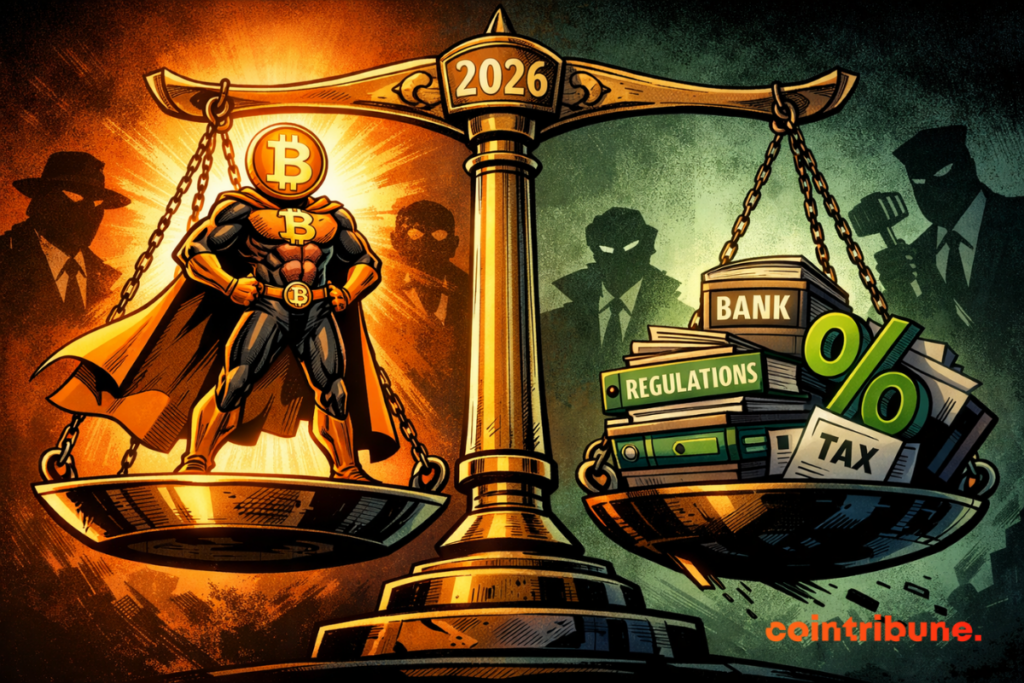
Bitcoin's 2026 price hinges on a volatile cocktail of capital flows, central bank policy, and regulatory crackdowns.
The Liquidity Lifeline
Forget fundamentals—follow the money. Global liquidity cycles dictate crypto's pulse. When central banks flood markets, digital assets surge. When they tighten the taps, the party stops. It's less about adoption and more about the sheer volume of cheap cash searching for a home.
The Rate Reaction
Interest rates are crypto's kryptonite—or its catalyst. High yields in traditional finance lure capital away from speculative bets. The moment rates pivot downward, watch institutional capital sprint back into Bitcoin, treating it like a high-beta tech stock. Because, let's be honest, that's what it trades like.
The Regulatory Gauntlet
This is the wild card. Clear, pragmatic rules could unlock trillions. Opaque, hostile crackdowns could freeze markets. The great institutional adoption story lives or dies in government meeting rooms. Every legislative draft sends tremors through the order books.
The path to a new all-time high isn't written in code—it's dictated by Fed meetings, congressional hearings, and the whims of leveraged traders chasing momentum. One part monetary phenomenon, one part political football, and entirely unpredictable. Just how Wall Street likes it—another narrative to sell.
 Read us on Google News
In brief
- The Fed starts buying its debt again, a signal of an imminent return of quantitative easing.
- Crypto ETFs attract Harvard, Vanguard and Middle East sovereign funds, a big institutional rise.
- Bitcoin becomes less volatile, attracting cautious portfolios while remaining a speculative asset.
- The possibility of a GOP sweep in 2026 strongly influences the crypto sector’s regulatory expectations.
Rates at floor, liquidity flowing: the golden scenario for Bitcoin
Towards a historic bull run in 2026? Abra’s CEO, Bill Barhydt, foresees a tsunami of liquidity boosted by American monetary policy. In a heated exchange on Schwab Network, he says:
Nothing stops this train. That generally refers to money printing, debt servicing, massive liquidity injections we’ve seen in recent years. And I think we will see a TON of that in 2026.
The man speaks of a discreet but real return of quantitative easing, started as early as 2025 with bond buybacks by the Fed. In response, interest rates would fall and demand for public debt would erode. Result? An environment where risky assets regain color, bitcoin at the forefront.
The correlation with tech stocks plays fully. There were times when Nvidia or Tesla were more volatile than bitcoin, notes Barhydt. And for good reason: BTC has stabilized around 30% volatility, compared to 60% historically. Enough to reassure investors seeking high returns but fewer shocks.
Crypto and institutions: (almost) perfect marriages
The crypto ecosystem no longer only attracts enthusiasts, but also financial powers. In the same show, John Ha from Swan Bitcoin notes a massive shift in buyer profiles:
Harvard, a $50 billion endowment fund from the Ivy League. Their biggest publicly declared position is Bitcoin. Middle Eastern sovereign funds also hold a significant share of Bitcoin.
Same tune at Vanguard or Middle Eastern sovereign funds. They all first go through ETFs, considered simpler and safer for new entrants. But this gateway could become a staircase to buying “hard” BTC.
Another phenomenon observed: “Bitcoin Treasury Companies.” Some companies make BTC a strategic asset. Strategy leads the dance, but others appear… and disappear just as fast. It remains to be seen which ones will hold the course. For Ha, adoption will strengthen. Because even if the ETF is more reassuring, some will then want the “real” bitcoin.
Meanwhile, other cryptos indirectly benefit from this institutional enthusiasm. Portfolios often open in duo: BTC, then ETH… and why not Solana, or the current L2s.
Bitcoin under high tension: what if everything depends on the midterms?
If the economy shows milder skies, politics could well spoil it. Michael Terpin, BTC pioneer, does not share the general optimism. According to him, bitcoin could hit a floor at $60,000 by the end of 2026.
His main worry? Michael Terpin estimates that any electoral outcome other than a total Republican victory WOULD compromise a favorable regulatory climate for crypto. In short, if Republicans don’t sweep both chambers, the regulatory climate will remain tense for the crypto sphere.
Currently, on Polymarket, the chances of a GOP sweep cap at 19%. And American midterm election history often shows a divided Congress. Crypto investors must therefore deal with a major political variable.
The community remains divided. On one side, approved ETFs, growing adoption. On the other, threats of restrictive laws, investigations on certain platforms, and an ever more present financial regulator. Nothing is decided.
Figures, signals and landmarks to remember
- The bitcoin price is trading at $87,524 at the time of writing;
- The Fed started a debt buyback policy since the end of 2025;
- Harvard shows BTC as the top public asset in its portfolio;
- Crypto ETFs are gaining legitimacy, including at Vanguard;
- The GOP sweep has only a 19% chance according to Polymarket.
While some already see a six-figure bitcoin, the bells don’t ring in unison. On Polymarket, bettors are turning away from the hypothesis of a BTC at $150,000 by 2026. The trajectory remains uncertain, as do the balance of power that will influence it.
Maximize your Cointribune experience with our "Read to Earn" program! For every article you read, earn points and access exclusive rewards. Sign up now and start earning benefits.
