Elon Musk Impersonators Busted in $1.3M Crypto Romance Scam—Here’s How They Did It

Another day, another crypto scam—but this one had a celebrity twist that fooled investors out of seven figures.
The Musk Mirage
Forget moon shots and Mars missions. This crew skipped the rockets and went straight for the wallet—posing as associates of Elon Musk to build fake romantic relationships, then cashing in on the trust. They didn’t need a blue checkmark when they had a convincing story and a direct line to victims’ crypto holdings.
The $1.3M Swindle
Authorities tracked the digital breadcrumbs across multiple wallets and platforms. The scheme wasn’t sophisticated tech—just old-school social engineering dressed in crypto clothing. Romance, promises, urgency—the classic playbook, now fueled by digital asset hype.
Why It Keeps Happening
Crypto’s permissionless nature cuts both ways: innovation thrives, but so do grifts. No gatekeepers means no safety nets—investors chase returns while scammers chase the uninformed. Another reminder that in decentralized finance, your best security is still skepticism.
The Bottom Line
Arrests made, funds partially recovered. Yet the real win isn’t the takedown—it’s the exposure. Each bust peels back another layer of crypto’s wild west reputation, pushing the industry toward accountability. Maybe someday due diligence will be as trendy as token launches. Until then—trust, but verify. Especially if Elon’s supposedly sliding into your DMs.
 Source: ChosunBiz
Sophisticated Deception Tactics Exploit Investment Appeal
The syndicate employed carefully scripted conversations to build trust with targets, gradually introducing investment opportunities tied to SpaceX’s market reputation.
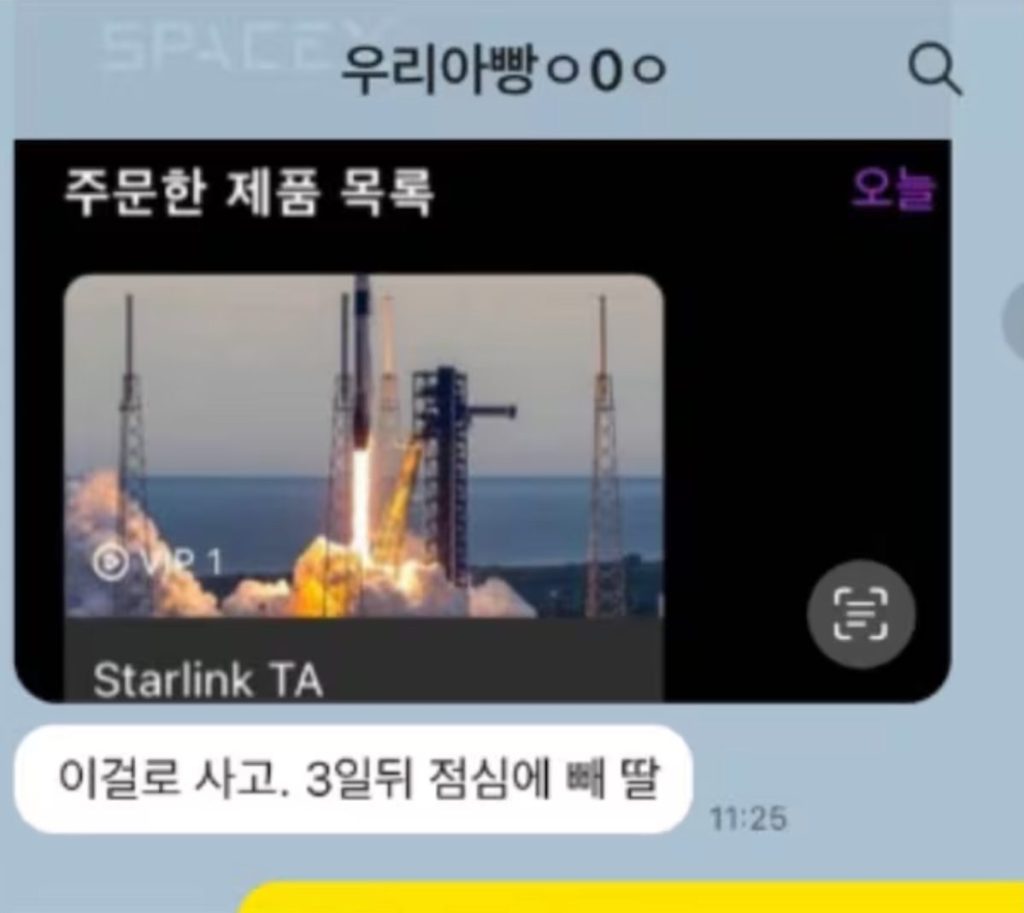
Prosecutors discovered the group created a counterfeit SpaceX application that victims were instructed to install, creating the illusion of legitimate transactions while funds flowed directly to the criminal network.
“,” read prepared scripts used to establish credibility before soliciting investments.
Beyond the technical infrastructure, investigators uncovered evidence that the organization anticipated law enforcement scrutiny.
Members prepared false testimonies claiming they were victims of job scams who were taken to Cambodia under false pretenses and forced into criminal activity through confinement and threats.
Conversation transcripts between members and their recruiters revealed a clear awareness that they were committing crimes and intentional efforts to evade accountability.

The joint investigation involving prosecutors, police, and the Korea Immigration Service identified 20 Korean nationals within the organization over the course of eight months.
Authorities initially arrested three counselors and one manager between July and September, subsequently apprehending additional recruiters and interpreters.
Seven members remain unaccounted for as investigators continue tracking suspects.
Romance Scams Represent Growing Threat Across Cryptocurrency Markets
This case exemplifies the expanding epidemic of romance scams plaguing cryptocurrency investors globally.
In July, a Korean man in his 50s lost over $73,000 after 46 days of daily conversations with a woman claiming to be Japanese, who convinced him to invest in her recommended cryptocurrency exchange.
The victim’s initial hesitation dissolved as fabricated profits and successful withdrawals built false confidence, ultimately leading him to invest 105 million won before the scammer vanished after demanding additional payments for supposed tax obligations.
Crypto-related romance scams, particularly “” schemes that combine emotional manipulation with investment fraud, drained an estimated $5.5 billion from victims across approximately 200,000 cases in 2024.
These operations increasingly leverage artificial intelligence tools to generate convincing fake identities, with scammers creating deepfake images and videos to sustain deception over extended periods.
U.S. authorities seized more than $225 million in crypto tied to such operations in June, while Australian regulators shut down 95 companies linked to pig butchering schemes in April, processing claims exceeding $35.8 million from victims across 14 countries.
South Korea’s crypto market, which Chainalysis estimates reached approximately $130 billion in value last year, faces persistent fraud threats despite widespread adoption.
In May, Jeju police arrested 25 individuals connected to four criminal organizations that defrauded 48 victims of nearly $540,000 through fake crypto exchanges between June 2023 and April 2025.
Back in March, prosecutors also arrested prominent crypto figure Park “Jonbur Kim” on separate fraud charges involving the Artube token, which allegedly caused $179.6 million in investor losses.
Expert Guidance: How to Defend Yourself
Security experts emphasize that defending against romance scams requires treating user awareness as Core infrastructure.
“As code becomes less exploitable, the main attack surface in 2026 will be people,” Mitchell Amador, CEO of Immunefi, told Crytponews.
In another interview with Cryptonews, Navin Gupta, CEO of blockchain analytics platform Crystal, explained the psychological manipulation driving modern fraud schemes.
“Scammers impersonate figures of perceived authority, such as project founders, influencers, or even support staff, to create an illusion of legitimacy. They exploit FOMO by creating time pressure—you’ll miss your chance if you don’t act now.“
 How are scammers stealing billions in crypto? We sat down with @CrystalPlatform CEO Navin Gupta as he breaks down the psychology, AI-powered tactics, and the #1 mindset shift that could prevent most fraud.#CryptoScam #Deepfakehttps://t.co/9WQQvGSuED
Gupta recommended specific defensive measures against social engineering, against all attacks.
“Assume every unsolicited message is a potential attack. That mental shift alone filters out 80% of threat vectors,” he advised.
