Bitchat Developer Challenges Uganda’s Claim It Can Block the Decentralized Messaging App

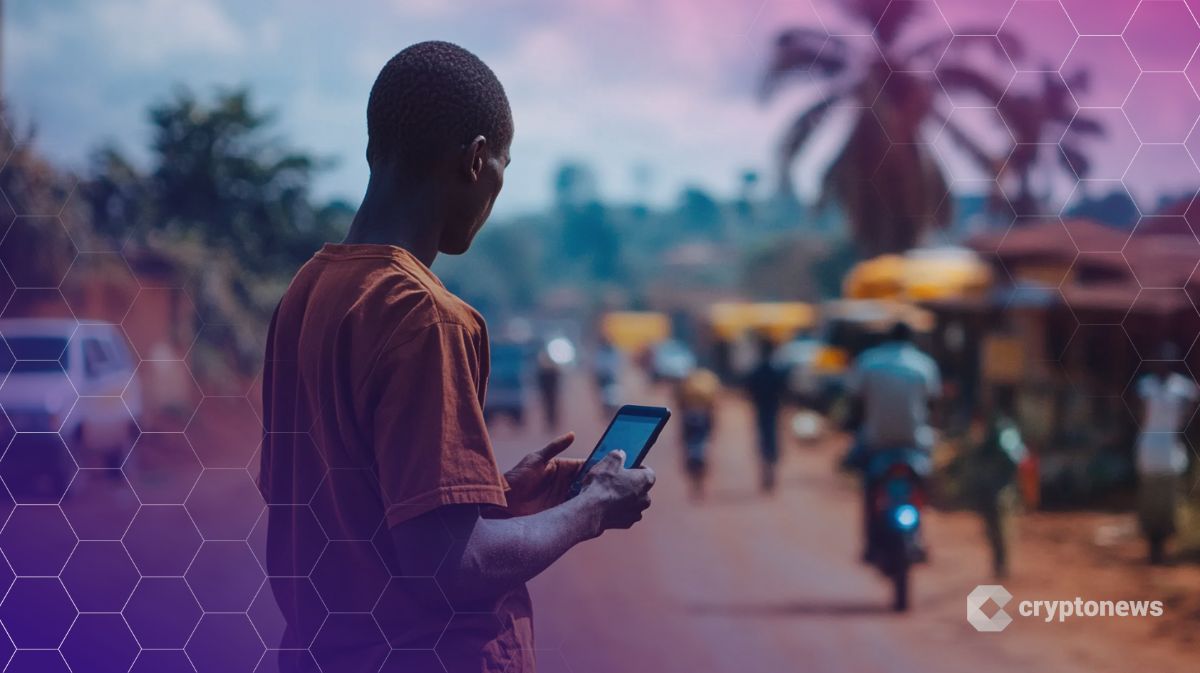
Can a government really shut down a network that doesn't have an off switch? The developers behind Bitchat are calling Uganda's bluff.
The Architecture of Resistance
Bitchat operates on a peer-to-peer protocol that cuts out centralized servers entirely. Messages route directly between users—bypassing traditional choke points. No single entity controls the network, making conventional blocking tactics about as effective as shouting at a cloud.
The Censorship Arms Race
Uganda's telecom regulator insists it has 'technical capabilities' to restrict the app. But Bitchat's protocol uses encryption and random node discovery that constantly adapts. Each attempted block reportedly spawns new connection methods—a digital hydra growing two heads for every one cut off.
Why This Matters Beyond Borders
This isn't just about messaging. It's a live-fire test of decentralized infrastructure against state-level censorship. If Bitchat stays accessible while authorities claim it's blocked, every government's internet control playbook needs rewriting.
The Finance Angle (With the Required Cynicism)
Meanwhile, traditional fintech stocks dip on news of 'regulatory challenges'—because nothing terrifies legacy finance more than systems they can't tax, control, or charge 3% processing fees on. Decentralization doesn't just route around censorship; it bypasses rent-seeking middlemen entirely.
The standoff continues. Uganda claims technical supremacy. Bitchat's network keeps humming. And the world watches to see if decentralized tech can do what it promises: provide unstoppable communication while governments issue stoppage orders.
Bitchat Gains Users After Opposition Warns of Possible Internet Shutdown
Interest in the app surged last week after opposition leader Bobi Wine urged supporters to install it as a contingency plan, citing past election-related internet shutdowns.
Ugandan authorities have previously restricted online access during politically sensitive periods.
“We know how it can be made not to work,” Thembo said, adding that the country has significant technical expertise. “Don’t be excited by Bitchat, it’s a small thing.”
One of Bitchat’s developers, known online as Calle, rejected that assessment. Citing internal data, Calle said more than 400,000 Ugandans have already downloaded the app.
“You can’t stop Bitchat. You can’t stop us,” Calle wrote on X, encouraging local developers to contribute to open-source tools. “Free and open source. Unstoppable. From the people for the people.”
you can't stop bitchat. you can't stop us.
I invite every ugandan developer to join the global open source movement and contribute. we don't need anyone's permission to write code.
free and open source. unstoppable. from the people for the people. https://t.co/i7MzcEbsYS
Uganda has a track record of restricting connectivity during elections. In 2016, President Yoweri Museveni ordered a nationwide internet and social media shutdown, citing security concerns.
A similar four-day blackout began on election night in 2021.
Because Bitchat requires no accounts, phone numbers, or central infrastructure, supporters see it as a workaround if access to the wider internet is cut again.
Bitchat Uses Bluetooth Mesh to Enable Internet-Free Encrypted Messaging
Bitchat, which entered beta testing in July, operates without traditional internet infrastructure.
The app uses Bluetooth-based mesh networks to relay encrypted messages between nearby devices, allowing communication even when mobile data or broadband services are unavailable.
According to its technical documentation, the system has no central servers and does not require phone numbers, email addresses or user accounts.
The app’s appeal is not limited to Uganda. During protests in Nepal last September, tens of thousands of users reportedly turned to Bitchat amid a temporary social media ban. Madagascar saw a comparable spike weeks later.
In November, the app briefly became one of the most downloaded tools in Jamaica during Hurricane Melissa, when connectivity disruptions left many residents seeking alternative ways to communicate.
