BREAKING: December CPI & Real Earnings Data Just Dropped — Will Inflation Force the Fed to Rethink Its 2025 Path? Bitcoin Watches Closely.

The numbers are in. The final inflation and wage data of 2025 just hit the wires, and the entire financial market is holding its breath. For Bitcoin and digital assets, this isn't just another economic report—it's a potential catalyst for the next major macro move.
The Fed's Delicate Dance
Policymakers have been telegraphing a path for 2025, but today's data could force a rewrite. A hotter-than-expected print throws their soft-landing narrative into jeopardy, while a cool number might just give them the cover they need to pivot. Traders are parsing every decimal point, knowing the central bank's next move is the only thing Wall Street analysts agree on—until they change their minds tomorrow.
Bitcoin's Macro Trigger
Forget the minute-to-minute charts. The real action for crypto is in the treasury yield curve and the dollar's strength. A hawkish shift from the Fed traditionally tightens liquidity, the lifeblood of risk assets. A dovish tilt? That's rocket fuel. Bitcoin has matured from a speculative tech toy into a frontline gauge for global liquidity expectations. It doesn't just react to Fed decisions; it anticipates them.
The Real Earnings Illusion
Here's the cynical finance jab: 'Real earnings' data always seems to be 'adjusted' just in time to fit the prevailing political narrative, making it a fantastic lagging indicator of yesterday's spin. Meanwhile, Bitcoin's ledger doesn't do revisions—just immutable, real-time truth.
The bottom line? Today's data drop is more than a snapshot of the past. It's a key that could unlock—or lock down—the financial conditions for 2025. And in a world where monetary policy is the only game in town, Bitcoin isn't just watching. It's positioning.
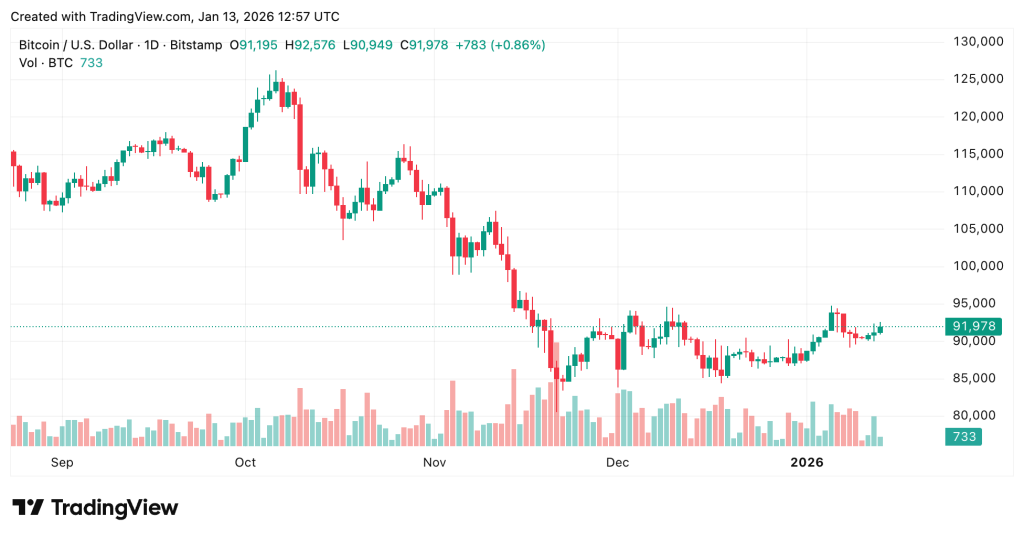 Source: TradingView
Strong CPI above 2.7% YoY would likely pressure Bitcoin toward $88,000, while a surprise downside miss below 2.5% could spark a relief rally back toward $98,000-$100,000. Real Earnings data matters because sustained negative real wage growth historically precedes consumer spending weakness and recession, which would be bullish for rate cuts but bearish for economic growth.
Markets are essentially trading the impossible balance: hoping for inflation cool enough to justify cuts, but growth strong enough to avoid recession.
