Why Experts Say the BRICS UNIT Won’t Replace the US Dollar (And What It Means for Digital Assets)

Another challenger steps into the ring—but the dollar’s grip looks unbreakable.
The BRICS bloc’s proposed UNIT currency keeps making headlines. It’s pitched as a tool for de-dollarization, a way for emerging economies to sidestep traditional financial gatekeepers. Yet, most analysts see it as a political statement, not a practical threat to greenback supremacy.
The Trust Deficit
Creating a shared currency requires a level of political and economic harmony that’s currently absent. Divergent interests, capital controls, and a lack of unified monetary policy framework make the UNIT a logistical nightmare. It’s a committee-designed solution in a market that rewards decisive, singular leadership.
Enter the Digital Wildcard
While bureaucrats debate currency baskets, the real innovation is happening off their balance sheets. Decentralized digital assets operate on a parallel track—they bypass the need for a centralized, state-backed alternative altogether. They don’t ask for permission to settle cross-border transactions.
A Cynical Take from Finance
As one trader quipped, "The UNIT is just a new way to hold meetings about reducing dollar dependence. The actual reduction happens elsewhere—quietly, on-chain."
The bottom line? The dollar’s throne is safe for now. But the relentless search for alternatives is accelerating a broader shift—one where digital, borderless protocols are quietly building the infrastructure for the next monetary era, with or without a BRICS stamp of approval.
BRICS UNIT Currency, De-dollarization, and US dollar Dominance
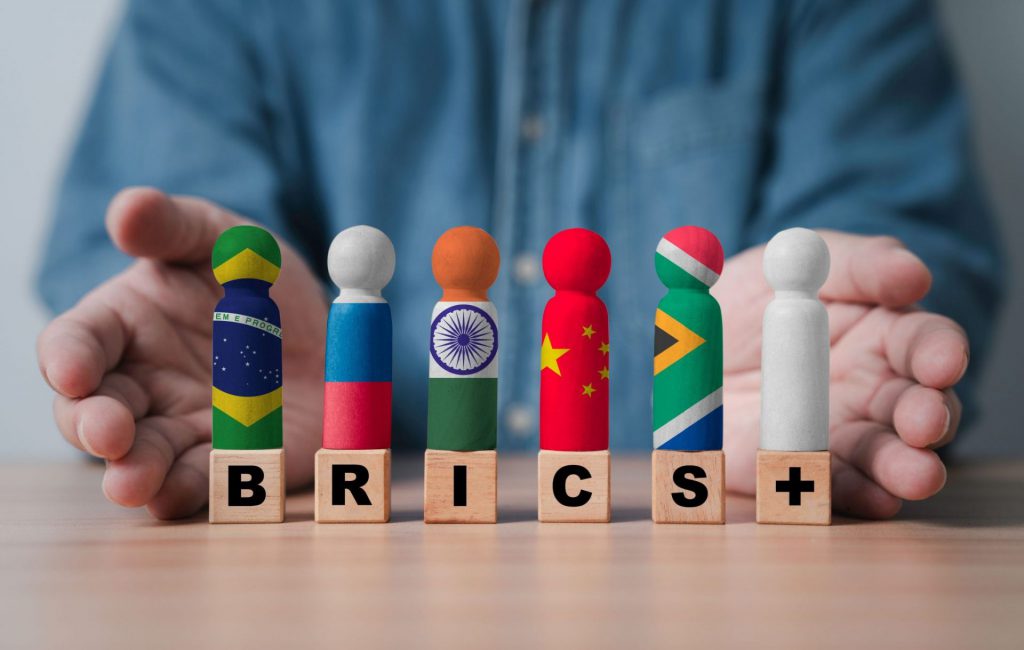
Political Divisions Undermine Currency Ambitions
Internal disagreements among BRICS members reveal DEEP fractures in the de-dollarization strategy even. India has explicitly clarified it is not interested in replacing the US dollar, but rather seeks “” to protect trade interests and reduce vulnerability to Western sanctions. Brazil, too, softened its stance on a common currency after facing political pressure from the United States, and this wavering commitment signals broader hesitation within the bloc.
India’s External Affairs Minister S. Jaishankar stated at an event in London in March 2025:
US dollar Dominance Remains Unshakeable
The US dollar is currently used in an estimated 90% of international trade. And it continues to hold approximately 57.3% of global reserves as of early 2024.
Here’s the thing—this entrenchment is supported by the world’s largest and most developed financial markets. That’s an advantage the BRICS payment system (or any alternative arrangement) can’t easily replicate right now. The massive, liquid US economy provides a level of stability and trust that emerging payment infrastructures simply cannot match.
, said US President Donald Trump.
He later stated that the BRICS bloc was set up to “” the US dollar. In February 2025, TRUMP declared in a press briefing that “,” claiming the bloc went silent following his “” tariff threat.
Why the BRICS UNIT Won’t Replace the dollar
At the July 2025 BRICS Summit, leaders actually confirmed no joint currency WOULD launch in the near term. The BRICS UNIT currency—launched as a pilot on October 31, 2025—is designed as a settlement instrument with 40% gold and also 60% BRICS currencies right now.
These incremental alternatives are creating change in specific corridors rather than replacing the dollar even. The BRICS UNIT won’t replace dollar dominance anytime soon, and the gap between ambition and execution remains substantial at the time of writing. Internal divisions along with external pressure ensure the BRICS UNIT won’t replace the dollar as the global reserve currency.
