Trump Proposes Massive $1.5 Trillion Defense Spending Surge - What It Means for Crypto Markets

Defense spending rockets to $1.5 trillion under new Trump proposal—traditional markets brace for impact while crypto eyes the fiscal fallout.
Follow the Money
That eye-watering number—$1.5 trillion—isn't just a line item. It's a seismic shift in capital allocation. Governments print, they borrow, they spend. This scale of expenditure doesn't exist in a vacuum; it pressures currencies, inflates deficits, and sends investors hunting for hedges. Sound familiar?
Digital Gold in a Geopolitical Storm
When nation-states turbocharge military budgets, sovereign debt balloons. Fiat systems strain under the weight. This isn't speculation; it's recent history. Bitcoin was born from the ashes of 2008's financial crisis—a direct response to irresponsible fiscal policy. A $1.5 trillion defense injection is precisely the kind of macro shock that reminds people why decentralized, hard-capped assets exist.
Defense Contracts Meet DeFi
Where does all that money go? Traditional contractors, sure. But the underlying infrastructure—payments, logistics, secure communications—is ripe for blockchain disruption. Smart contracts could automate massive supply chains. Privacy coins might secure sensitive transactions. The inefficiency of legacy systems becomes a multi-billion-dollar target for crypto-native solutions.
The Inflation Hedge Narrative Returns
Massive spending begets inflation concerns. Always has. When investors fear dollar debasement, they flock to hard assets. Gold, real estate—and increasingly, Bitcoin. The 'digital gold' thesis gets its strongest fuel not from bull market hype, but from real-world fiscal recklessness. A trillion-dollar defense bill is a powerful advertisement for sound money.
Markets Never Wait for Permission
Crypto markets price in the future, often clumsily, but always first. This kind of proposal signals deeper structural shifts—more debt, more money printing, more global uncertainty. Volatility is guaranteed. Opportunity follows. While Wall Street analysts draft their 100-page PDFs on budget impacts, crypto traders will have already placed their bets.
A cynical finance jab? The same banks that will underwrite the debt for this spending spree are the ones lobbying hardest against the decentralized assets that protect citizens from its consequences. How's that for a conflict of interest?
The takeaway? Don't just watch the headline number. Watch the capital flows it triggers. When traditional systems flex under trillion-dollar strains, crypto doesn't just watch—it absorbs the spillover and builds something new. The next bull run might not start on a crypto exchange. It might start in the halls of Congress.
Defense Spending to Increase to $1.5 Trillion: Trump
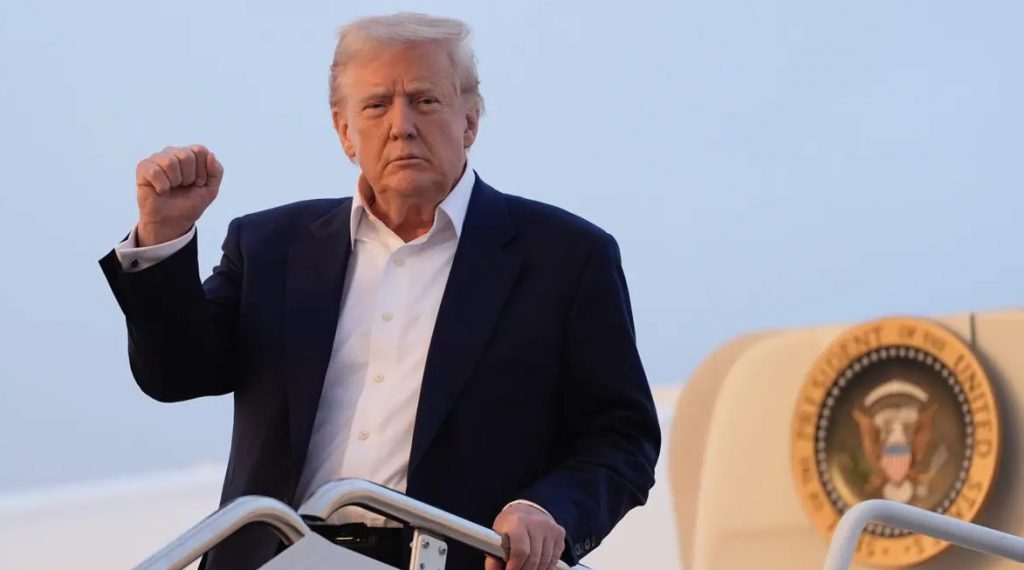
The huge defense spending proposed by Trump has caused concerns of a long-term conflict. His first year in office saw fewer military operations, but his second term experienced major conflicts. From Iran to Palestine and Venezuela, the WHITE House has stepped up its military force. The 47th President, who previously campaigned about world peace, has now gone all-in on conflicts. Marco Rubia also warned recently that Cuba
In addition to Trump’s increased defense spending, the President also withdrew the US from several international organizations. Marco Rubio justified the exit saying,The organizations were intended to foster multinational cooperation and address law, trade, and human rights. Going by all these, it is most likely that global conflicts could increase in the next four years. The stock market could be affected as investors’ confidence declines.
