India Skips BRICS Naval Drill as China Tensions Escalate: Geopolitical Shockwaves Ripple Through Markets

New Delhi's strategic snub sends a clear signal—the BRICS alliance is cracking under pressure. India's decision to skip the joint naval exercise isn't just a diplomatic move; it's a tectonic shift in global power dynamics. Forget the photo ops and handshakes—this is realpolitik in action.
The Subtext: More Than Just Missed Manoeuvres
This isn't about a scheduling conflict. It's a calculated bypass of a China-dominated show of force. The South China Sea, a perennial flashpoint, was set to be the stage. India's absence turns the spotlight squarely onto the unresolved border tensions and strategic rivalry that no amount of BRICS rhetoric can paper over.
Markets Don't Do Diplomacy
While foreign ministries trade carefully worded statements, capital flows tell a different story. Investors hate uncertainty, and nothing screams uncertainty like a military alliance fraying at the seams. Watch for volatility in regional currencies and a flight to traditional safe havens—gold, the US dollar, and maybe, just maybe, a renewed look at crypto as a geopolitical hedge. (After all, Bitcoin doesn't attend naval drills or get caught in trade wars.)
The Ripple Effect
The move isolates China within the very bloc it hoped to lead. It empowers other members to question Beijing's dominance. It forces a reassessment of every 'multipolar world' thesis written in the last decade. The global south's unified front? It just got a lot more complicated.
The Bottom Line: A New Cold Front
This is a watershed moment. The era of BRICS as a cohesive counterweight is over. What emerges will be messier, more transactional, and far more volatile. For traders and policymakers alike, the message is clear: the old maps are obsolete. Navigate accordingly—because in this new landscape, yesterday's allies are today's strategic competitors. And as any finance bro will tell you, when the geopolitical winds shift, someone's portfolio always ends up taking the hit.
India-China Tensions Behind BRICS Naval Drill Snub in Indian Ocean
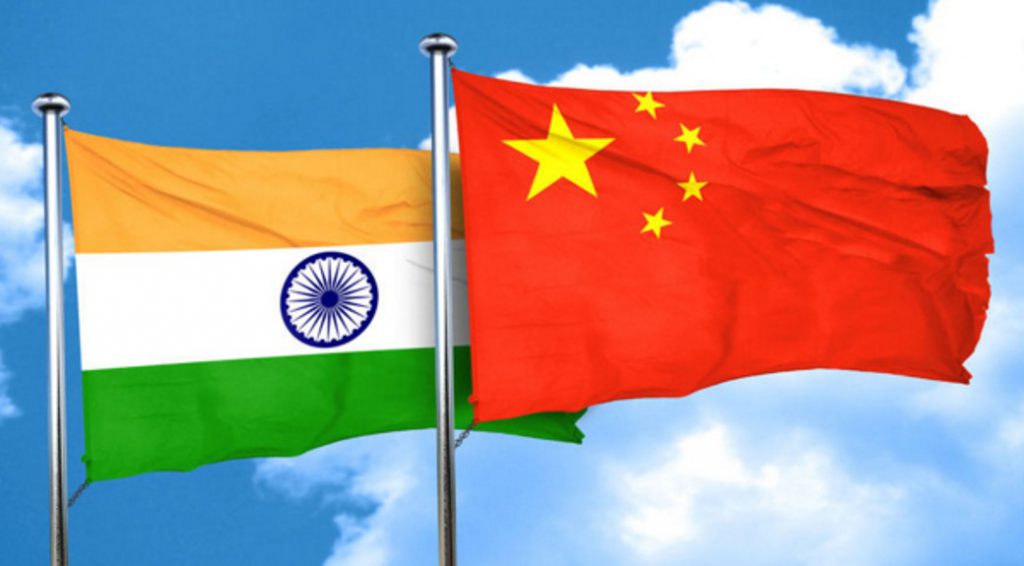
Political Calculations Drive India’s Absence
The BRICS military exercise which took place in South Africa entailed heavy military equipment, currently. Russia sent the Marshal Shaposhnikov 7,000-tonne destroyer and a tanker and China sent three of its ships, including the Tangshan guided missile destroyer, Daiging frigate and Taihu supply ship.
Two of the frigates were Iranian, and South Africa had three ships in the fleet, one of which was an offshore patrol ship. This time, India declined to attend this particular drill although it was invited by South Africa. Top officials affirmed that this was a political MOVE and not a time issue. The India BRICS defence policy is now primarily cautious with regard to military involvement with Beijing even in multilateral schemes and platforms.
Independent military expert Helmoed Heitman stated:
Line of Actual Control Remains Flashpoint
While India China tensions have shown some improvement since Prime Minister Narendra Modi’s visit to China for the Shanghai Cooperation Organisation summit, where he met Chinese President Xi Jinping, defense cooperation remains restricted at the time of writing.
According to defence analyst Dean Wingrin:
Chinese officials have been pushing for increased naval visits and joint exercises, but India remains hesitant about such arrangements. Sources emphasized that political breakthroughs must precede deeper military engagement. The India BRICS tensions highlighted by this episode underscore the limits of defense cooperation between New Delhi and Beijing, and also the broader challenges.
India Expands Maritime Role Elsewhere
Even as India missed the BRICS naval exercise which had been convened by South Africa, the Indian Navy is acquiring other roles in other forums. Training facilities will be headed by India to the Bahrain-based Combined Maritime Force, which is a coalition of more than 40 countries such as USA, Britain, France, Germany, Gulf states, Pakistan, and Turkey.
This marks the first time India will head the training capsule of the Combined Task Force 154, which focuses on enhancing maritime skills. The contrast reveals India’s selective approach—the country comfortably spearheads western-based maritime initiatives but avoids exercises where China participates in Indian Ocean naval drills.
DA spokesperson Chris Hattingh noted about the exercise:
The ongoing India BRICS tensions demonstrate that border disputes continue to constrain military cooperation within the bloc. As long as India China tensions persist along the Line of Actual Control, joint defense initiatives involving both nations will remain limited, regardless of improvements in other bilateral areas. The India BRICS defence strategy appears focused on managing these sensitivities carefully.
