9 EU Nations Push for Israel Trade Restrictions Amid Mounting Legal Concerns

Europe fractures as nearly a third of member states take hardline stance.
Diplomatic tremors hit Brussels as nine EU countries—led by France and Germany—demand immediate trade curbs on Israel. The move follows mounting pressure over alleged violations of international law.
Behind closed doors: Foreign ministers cite 'unacceptable risks' to European companies still doing business with Israeli counterparts. Critics call it economic warfare disguised as ethical policy—while quietly protecting domestic industries.
Bonus finance jab: Nothing unites bureaucrats faster than discovering someone else's profitable trade needs regulating.
How EU Trade Restrictions on Israel Address Legal Risks and Sanctions
Nine European Union countries called on the European Commission to come up with proposals on how to apply. Foreign ministers from,,,,,,,andsigned the letter, addressed to EU foreign policy chief Kaja Kallas.
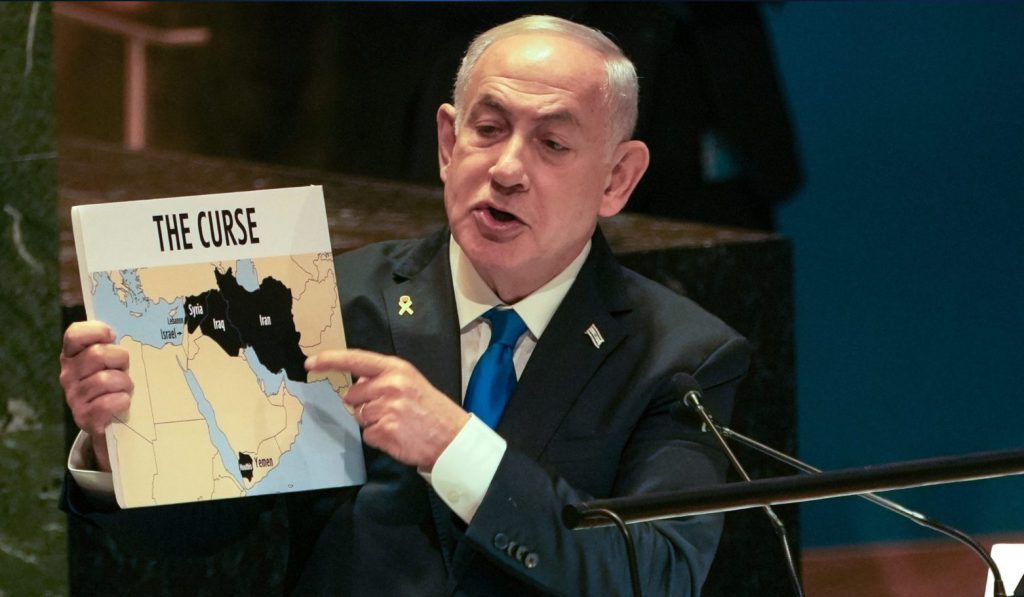
Belgian Foreign Minister Maxime Prevot stated:

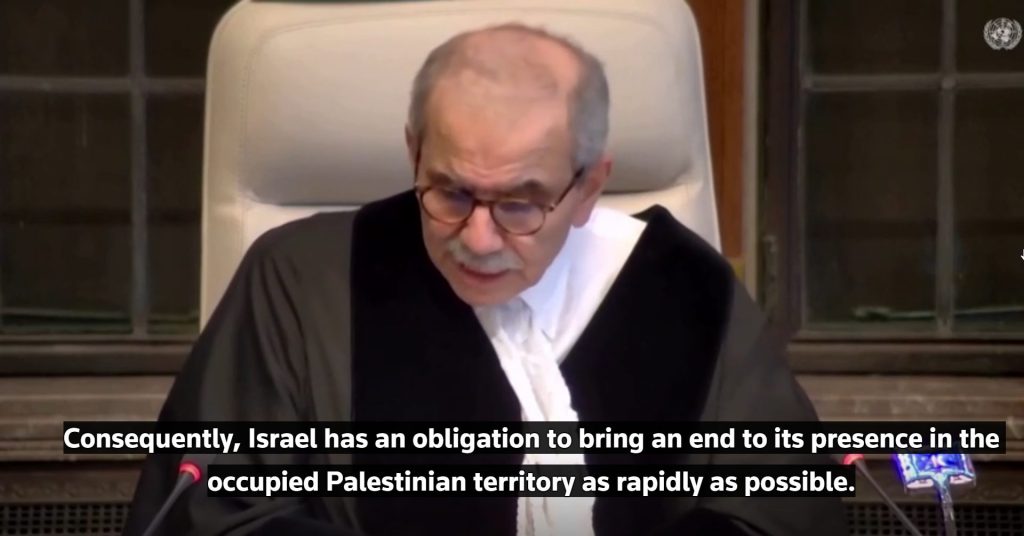
The ministers also pointed to a July 2024 advisory opinion from the International Court of Justice, which said Israel’s occupation of Palestinian territories and settlements there are illegal. ICJ President Nawaf Salam emphasized the legal risks Israel settlements trade creates and also said:
EU Countries Israel Settlement Policy Under Pressure
The nine EU countries Israel settlement policy initiative represents unprecedented pressure on the European Commission right now. Belgium, the initiator of the push, also said European countries should ensure their trade policy follows international and humanitarian law provisions.
Ministers wrote in their letter:
The EU remains Israel’s largest trading partner, accounting for €42.6 billion in trade last year. However, it remains unclear how much of this trade volume includes products from Israeli settlements in the occupied Palestinian territories.
Palestinian envoy Riyad al-Maliki also had this to say:
,
At the time of writing, the EU trade restrictions Israel debate continues to intensify as member states also prepare for high-stakes discussions on the association agreement review.
