Rocket Lab Stock Skyrockets 500% - Still Worth the Hype?

Space stocks blast off as Rocket Lab defies gravity with massive gains
THE LAUNCH PAD
Rocket Lab's stock trajectory looks more like one of its Electron rockets than a traditional equity. Shares catapulted 500% from recent lows, leaving analysts scrambling and investors wondering if there's any fuel left in the tank.
MISSION CONTROL
The space technology company keeps hitting new milestones while Wall Street struggles to price in the orbital economy. Their launch cadence accelerates, satellite manufacturing ramps up, and contracts stack up faster than a SpaceX booster landing.
COUNTDOWN DECISION
At these altitudes, the oxygen gets thin. The 500% surge already prices in several years of flawless execution. One wrong move could trigger re-entry burns hotter than a failed crypto trade during a market correction.
Space remains the final frontier for investors—massive potential, but you might need diamond hands to handle the volatility.
Rocket Lab: Firing on all boosters
Already home to a $1 billion backlog as of the second quarter, founder-led Rocket Lab keeps stacking launch orders as quickly as it can get rockets in the sky.
These deals provide steady growth, but Rocket Lab's burgeoning capabilities are the star of the show for investors looking decades down the road.
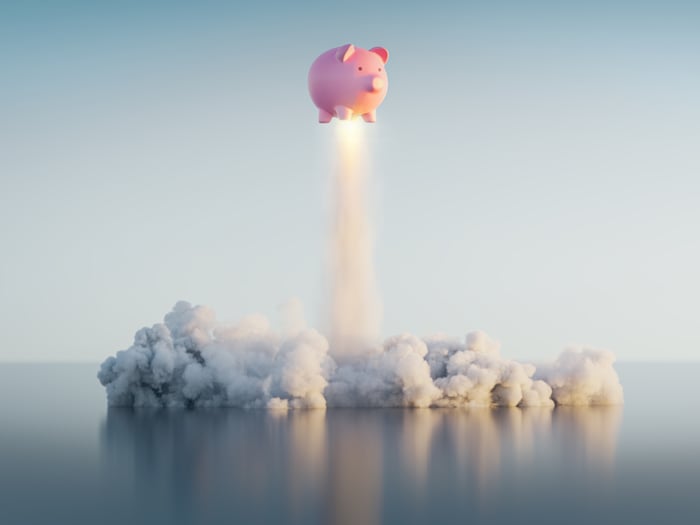
Image source: Getty Images.
These capabilities include:
- A Q2 announcement of back-to-back launches on Complex 1 in two days, showing the potential for higher launch frequency
- The company's Geost acquisition closing, building out Rocket Lab's payload opportunities
- Approaching clearance for a buyout of Mynaric and its laser communication abilities, adding to Rocket Lab's vertical integration
- A potential launch of its new Neutron rocket later this year, which would open the door for larger payloads
- A margin profile that is quickly improving, reducing the stock's reliance on outside funding
So is Rocket Lab a buy?
Despite all these promising traits, however, Rocket Labs trades at a lofty 67 times sales and is not yet profitable. Interested investors may want to buy shares in multiple batches over time, rather than all at once.
