CCL Stock: Navigating Stormy Seas or Sailing to Prosperity?

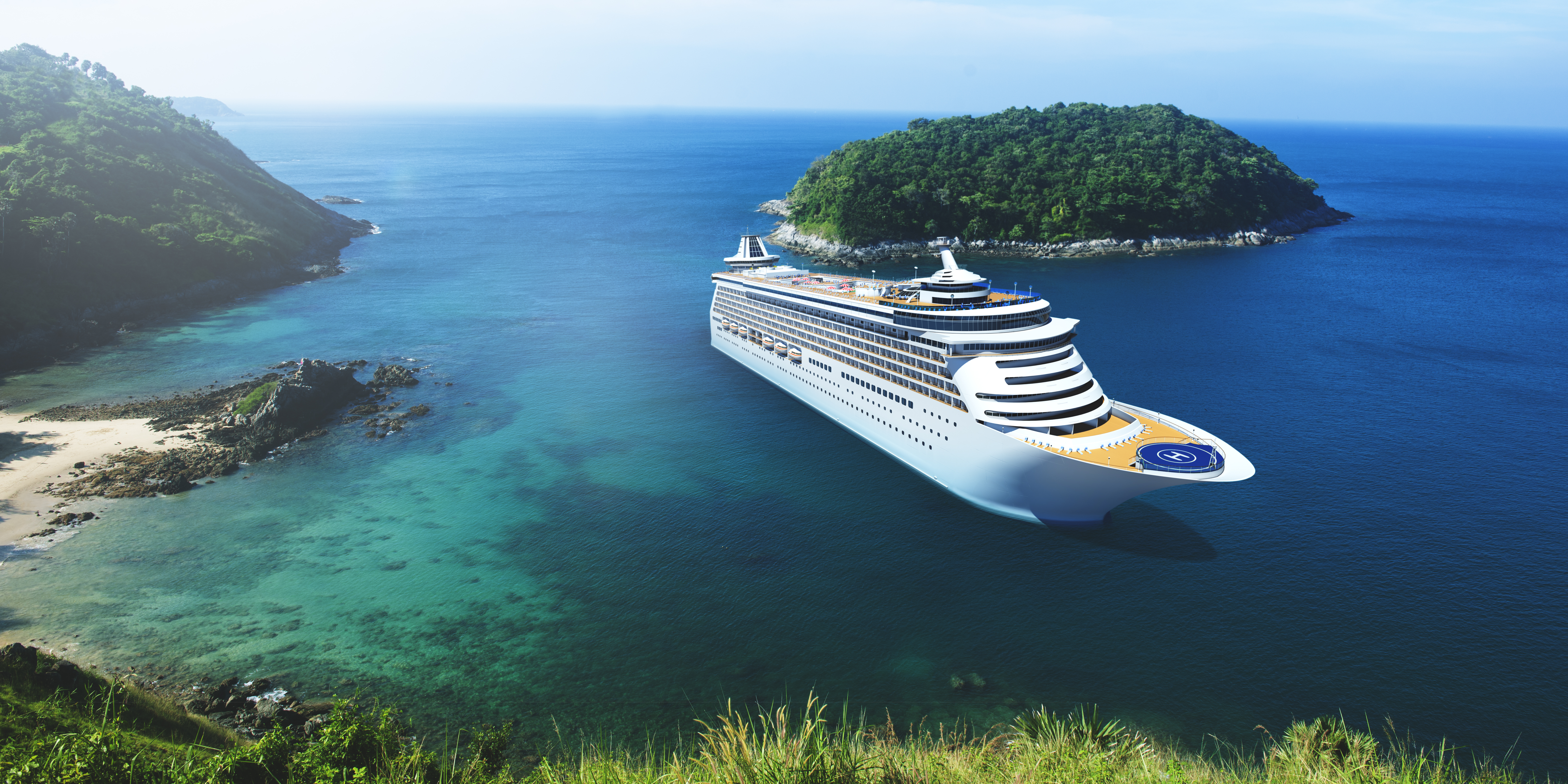
Carnival Corporation faces its ultimate stress test as market waters turn turbulent.
The Cruise Conundrum
Travel stocks swing between recovery hopes and economic reality checks. Carnival's massive debt load hangs like an anchor while consumer spending patterns shift unpredictably. The company either charts a course toward sustainable growth or risks becoming another casualty of post-pandemic restructuring.
Bull Versus Bear Tides
Optimists point to pent-up travel demand and fleet modernization efforts. Critics highlight fuel cost volatility and the lingering ghost of 2020's dilution. Meanwhile, Wall Street analysts continue collecting fees for telling investors whether to buy or sell—a timeless tradition in the finance circus.
The Verdict: Smooth Sailing or Perfect Storm?
Carnival's fate hinges on consumer confidence and operational execution. One wrong move could sink shareholder value, while strategic navigation might deliver the comeback story of the decade. The only certainty? Someone will be wrong, and someone will claim they saw it coming all along.
Carnival beats, but investors retreat
For the third quarter of fiscal year 2025, ended Aug. 31, the company reported solid top- and bottom-line results:
| Revenue | $7.9 billion | $8.2 billion | 3.8% |
| Earnings per share (EPS) | $1.26 | $1.33 | 5.6% |
Data source: Carnival Corp.
During the quarter, consolidated revenue came in at $8.15 billion, up by around 3.2% compared to the prior year's quarter. Last quarter's revenue figure also came in ahead of sell-side forecasts, which called for revenue of $8.1 billion. Diluted earnings of $1.33 per share were up 5.6% year over year and beat estimates by a penny.
That's not all. While earnings were solid, guidance updates came in strong, with the company indicating strong cruise bookings for 2026 as well as upping its fiscal year 2025 earnings guidance from $1.97 to $2.14 per share. Again though, while all of this sounds like the makings of a post-earnings rally, shares experienced a post-earnings dip instead.
So, was there something else in the earnings release that investors placed greater focus on? Perhaps, but even digging into this development, it's tough to say this should trigger renewed bearishness.
Don't blame recent debt offering news
On the same day Carnival released quarterly earnings, the company also announced plans to raise $1.26 billion via a debt offering. Given that Carnival has borrowed considerable sums in the past, mainly in order to ride out the pandemic-era slowdown in cruise travel, at first you may think this news is why investors sold after earnings.
However, a closer look signals that this debt offering may bode well for the company. For one, Carnival is not looking to increase the leverage on its balance sheet with this debt offering. Rather, it's using the capital to redeem previously issued debt sporting a higher yield. In effect, the cruise operator is taking advantage of lower interest rates, refinancing debt with a 6% coupon with debt with a coupon of just 5.125%.
In short, I wouldn't blame this recent debt offering news for Carnival's pullback. Taking a look at the latest results one more time, I can't find any factor that stands out as cause for concern.
With this, I believe Carnival's post-earnings pullback was just a case of investors buying the rumor and selling the news, or the propensity for investors to bid up a stock ahead of anticipated news, only to sell it once the news becomes official.
Should you buy Carnival stock?
From mid spring to late summer, Carnival shares soared, as concerns about a tariff-driven drop in travel demand proved to be an overreaction. More recently, however, investors have cooled on cruise stocks, and not just Carnival. After surging during this same time frame, shares in key competitor (RCL -0.40%) have started to pull back as well.
Still, while cruise stocks are selling off in the NEAR term, long-term a further earnings recovery will likely translate into higher prices. So, why buy Carnival, as opposed to Royal Caribbean or another cruise stock?
Unlike Royal Caribbean, which trades for around 17 times forward earnings, Carnival trades at a forward price-to-earnings (P/E) ratio of just 12. Better yet, all it could take to bridge the valuation gap is one small change. Both companies suspended dividends at the start of the pandemic, but last fall, Royal Caribbean reinstated its regular quarterly cash dividend payouts.
As Carnival refinances and pays down debt, not only could earnings growth persist, the company could bring back its dividend as well. Given this potential to keep cruising higher, on both earnings growth and valuation expansion, among the major cruise stocks, I would consider Carnival a buy on the dip.
