Ripple’s $75M SEC Settlement Cut Denied by Judge – Crypto Giant’s Relief Bid Blocked

A federal judge just slammed the brakes on Ripple's attempt to trim $75 million from its SEC settlement. The crypto payments firm—already facing regulatory headwinds—just got a brutal reality check from the courts.
No discounts for crypto's poster child: Ripple's argument for reduced penalties got shredded in today's hearing. The judge's ruling suggests the SEC's enforcement teeth remain sharp despite the industry's lobbying efforts.
Regulatory chess continues: This decision drops as XRP holders hold their breath—another reminder that in crypto, the house (read: regulators) always wins. The $75 million figure stays... for now.
One cynical observer might note: at least someone's enforcing financial discipline in this sector—even if it's through penalties rather than profits.
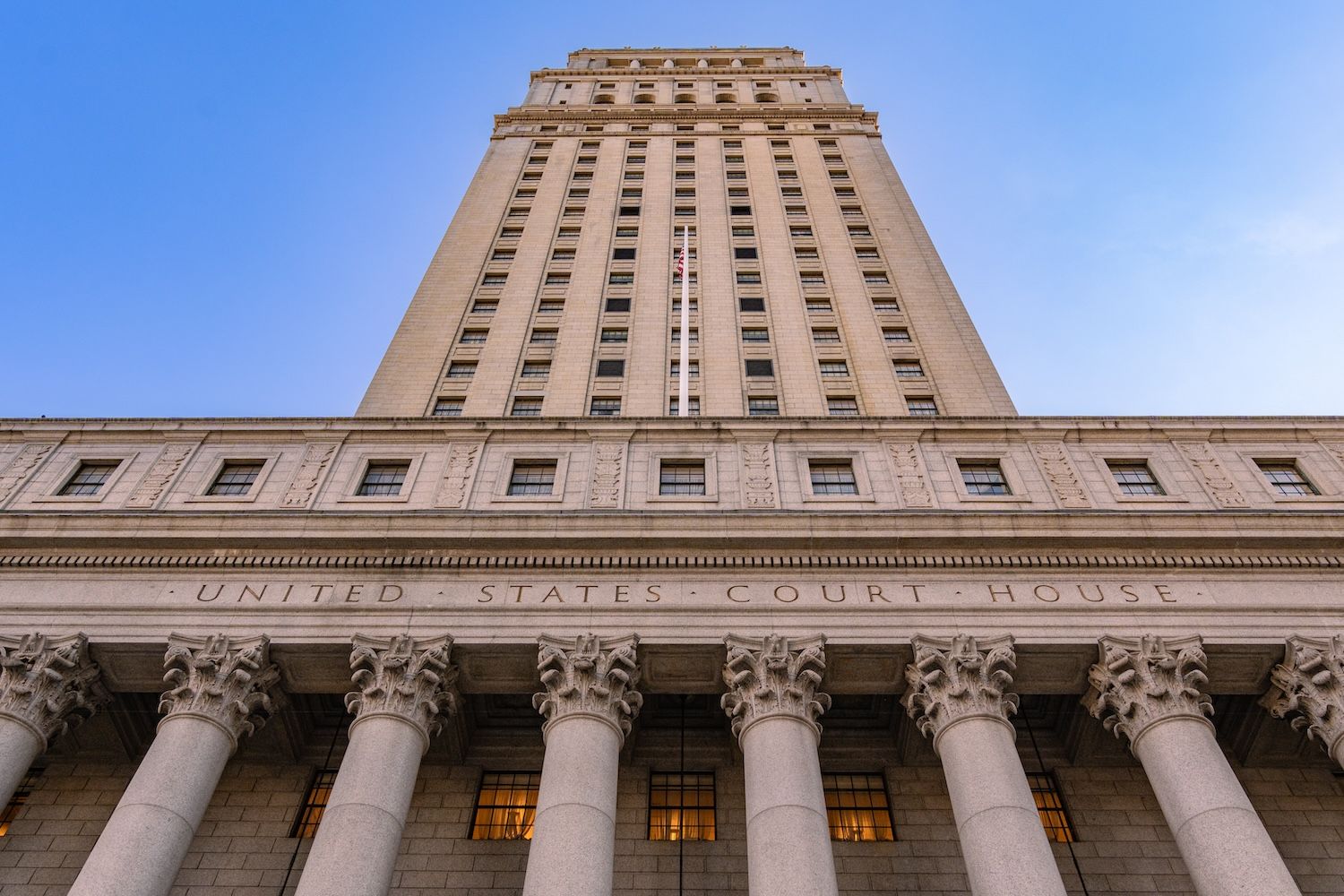
What to Know:
- Judge Torres ruled both parties cannot escape a permanent injunction through settlement negotiations
- The original case involved $728 million in XRP token sales to institutional investors deemed securities violations
- Ripple has not announced its next legal strategy following the court's rejection
Settlement Talks Hit Legal Roadblock
The unusual joint motion represented a rare instance of cooperation between the SEC and a major cryptocurrency defendant. Both sides had appealed Torres' original ruling but agreed to settle if the judge would eliminate her permanent injunction and approve the reduced penalty.
Torres delivered a sharp rebuke to both parties for attempting to circumvent her judicial authority. She wrote that neither side had demonstrated "exceptional circumstances outweighing the public interest and administration of justice" to justify the proposed settlement terms.
The judge emphasized that parties cannot simply agree to ignore a federal court's final judgment regarding Congressional law violations. Her permanent injunction and civil penalty were designed to prevent future securities law violations by Ripple.
"The parties do not have the authority to agree not to be bound by a court's final judgment that a party violated an Act of Congress," Torres stated in her written decision. The ruling highlighted fundamental questions about judicial authority in high-stakes regulatory settlements.
Background of High-Profile Crypto Case
The litigation centers on Ripple's XRP token sales, representing one of the SEC's most significant cryptocurrency enforcement actions. In July 2023, Torres issued a mixed ruling that distinguished between different types of XRP transactions.
The judge determined that XRP sold on public exchanges did not constitute securities under federal law. However, she found that $728 million in XRP sales to institutional investors should have complied with securities regulations. Torres imposed the $125 million fine in August following her securities violation findings. The penalty reflected what she considered appropriate deterrence for institutional sales violations.
Both Ripple and the SEC subsequently appealed different aspects of her ruling. The appeals process created an opportunity for settlement negotiations that ultimately led to Thursday's rejected joint motion.
Regulatory Environment Shifts Under New Administration
The SEC's willingness to negotiate reflects broader changes in cryptocurrency enforcement under the current administration. Since President Trump began his second term, the agency has concluded civil lawsuits against major crypto exchanges including Binance, Coinbase, and Kraken.
This shift represents a notable departure from previous aggressive enforcement policies. Industry observers have noted the agency's more collaborative approach to resolving pending cryptocurrency cases.
However, Torres' rejection suggests federal judges maintain independent authority over final settlements regardless of regulatory policy changes. Her decision reinforces judicial oversight of government enforcement agreements. The ruling may influence how other cryptocurrency companies and the SEC approach future settlement negotiations. Legal experts suggest the decision establishes important precedents for regulatory authority limits.
Market Impact and Industry Implications
XRP maintains its position as the fourth-largest cryptocurrency by market capitalization, trailing only Bitcoin, Ethereum, and Tether according to CoinMarketCap data. The legal uncertainty surrounding Ripple has persisted despite the company's partial court victory last year. Ripple's chief legal officer Stuart Alderoty indicated the company has not determined its next legal strategy following Torres' rejection. The statement suggests Ripple may pursue various options including continued appeals or alternative settlement approaches.
An SEC spokesperson declined immediate comment on the court's decision.
The agency's silence reflects the complex legal and political considerations surrounding high-profile cryptocurrency enforcement cases.
The case continues to serve as a bellwether for how federal courts will handle cryptocurrency securities regulations. Industry participants closely monitor developments for guidance on compliance strategies and regulatory expectations.
Future Legal Pathways Remain Open
Torres explicitly noted that both parties retain the right to withdraw their appeals or appeal her permanent injunction. This preserves multiple legal pathways for resolving the dispute outside traditional settlement frameworks.
The judge's decision does not preclude future negotiations but establishes clear boundaries around judicial authority. Any new settlement proposals must address her concerns about permanent injunction requirements and public interest considerations.
Legal analysts suggest the ruling may encourage more traditional settlement approaches that respect existing court orders. The decision reinforces fundamental principles about judicial independence in regulatory enforcement cases.
Closing Thoughts
Torres' rejection of the Ripple-SEC joint settlement motion underscores judicial independence in major cryptocurrency cases while highlighting the complex intersection of regulatory policy and court authority. The decision preserves both parties' appeal rights while maintaining the original $125 million penalty and permanent injunction against future securities violations.
