Stablecoin Surge Sparks Fed Rate Cut Speculation — Here’s Why It Matters

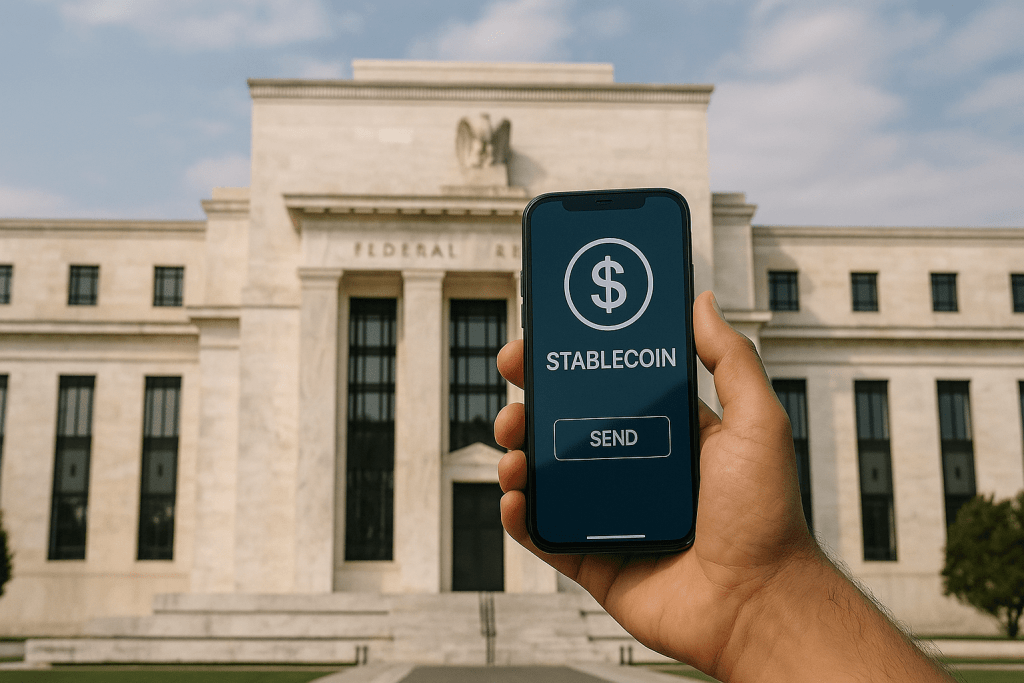
The stablecoin market is exploding—and even the Federal Reserve is taking notice. With dollar-pegged crypto assets hitting record adoption, policymakers now hint they could slash rates to keep pace. Here's the breakdown.
Stablecoins Eat Traditional Finance's Lunch
Tether’s $100B+ market cap proves crypto’s ‘boring’ assets now move more value than some regional banks. The Fed’s usual tools look increasingly obsolete as dollar liquidity migrates on-chain.
Rate Cuts on the Blockchain Menu?
Insiders whisper that yield-bearing stablecoins might force the Fed’s hand—because nothing sparks innovation like watching decentralized alternatives outmaneuver legacy systems. (Except maybe existential panic.)
One thing’s clear: while Wall Street debates basis points, crypto’s shadow dollar system keeps growing. Maybe the real monetary policy happens on Ethereum now.
Stablecoin Growth And Scale
Based on reports compiled by Fed staff, private-sector estimates place stablecoin adoption between $1 trillion and $3 trillion by the end of the decade — a jump large enough to matter for markets and policy.
Miran compared the possible scale of stablecoin demand to the Fed’s own purchases during the COVID-era stimulus and noted that under $7 trillion in Treasury bills are outstanding today, making any major new buyer meaningful.
How It Could Lower Rates
Researchers have started to put numbers on the effect. Work cited in Miran’s remarks estimates stablecoins, if widely used and backed by US securities, might nudge interest rates down by as much as 40 basis points. That kind of shift in R rating WOULD change what counts as a neutral policy stance and could prompt the Fed to set lower policy rates than otherwise.
Big Buyers And Reserve HoldingsReports and working papers point to one tangible channel: where stablecoin issuers park their reserves. Evidence shows some large issuers have been big buyers of short-term Treasury bills.
For example, one study found Tether held an estimated $98 billion in T-bills by Q1 2025, roughly 1.6% of outstanding T-bills, and that such buying has been linked to lower short-term yields. That suggests stablecoin flows can have real effects on front-end rates.
Risks And Policy ChoicesMiran told listeners that regulatory clarity will shape the path forward. He praised proposals like the GENIUS Act for forcing issuers to hold safe, liquid dollar assets, but warned that how stablecoins are financed matters: if issuance simply repackages existing dollar holdings, the effect on loanable funds will be small. Policymakers must weigh the boost to dollar demand against possible strains on banks, money markets, and the Treasury market.
Reports have disclosed that the scale and speed of adoption remain uncertain. If the higher forecasts play out, central bankers will need to consider stablecoin demand as part of the mix when setting rates.
For investors and officials alike, the message is plain: stablecoins are not just a payments tool anymore. They are a potential macroeconomic force, and their growth will be watched closely by the Fed and other authorities.
Featured image from Gemini, chart from TradingView
