Crypto’s Regulatory Purgatory: US Firms Face Extended Compliance Limbo as Market Structure Bill Slips

Washington's legislative gridlock just handed crypto another indefinite delay—and the industry's stuck footing the bill.
The Regulatory Waiting Game
Forget clear rules. American crypto firms are navigating a compliance maze with shifting walls. Every quarter without a federal framework pushes operational costs higher and strategic planning further into guesswork. Investors watch from the sidelines, wallets half-open, while founders burn capital on legal contingency plans instead of product development.
Innovation on Hold
The delay isn't just paperwork—it's a chokehold on progress. Startups pivot toward friendlier jurisdictions, draining talent and innovation from the US market. Established players allocate millions for 'regulatory flexibility,' a polite term for preparing for multiple contradictory futures. The market craves stability; Congress offers studied ambiguity. It's the financial equivalent of building on quicksand.
The Price of Political Theater
While lawmakers debate jurisdictional nuances, the real economy of digital assets evolves at light speed elsewhere. The bill's slip means another cycle of uncertainty—perfect conditions for regulatory arbitrage and, ironically, the very opacity regulators claim to combat. Another win for compliance consultants and a masterclass in how to strangle an emerging sector with bureaucratic process. Sometimes it seems the only market structure Washington truly understands is the fundraising calendar.
So the limbo continues. Firms adapt, not because the system works, but despite it. The innovation pipeline slows to a trickle, and America's lead in the digital finance race keeps slipping—one delayed vote at a time.
Political Roadblocks Delay Crypto Regulation
The crypto market structure bill, which aims to provide a clear regulatory framework for digital assets in the U.S., had been expected to advance this year. However, TD Cowen’s Washington Research Group, led by managing director Jaret Seiberg, says the bill’s approval timeline is now uncertain.
Political calculations tied to the 2026 midterm elections have reduced the urgency among Democrats to push the bill quickly, especially if they anticipate regaining control of the House of Representatives.
Seiberg notes that the Democratic Party’s insistence on strict conflict-of-interest rules, particularly those that would prevent senior government officials and their families from operating or owning cryptocurrency businesses, is a major sticking point.
This provision directly affects President Donald Trump and his family, who have reported significant crypto-related investments, including ventures in decentralized finance (DeFi) projects and Bitcoin mining firms.
The proposed solution is to delay enforcement of these conflict-of-interest rules for three years after the bill’s enactment. This compromise would push the effective date beyond the next presidential term, potentially avoiding immediate impact on the TRUMP family’s crypto interests.
Impact on the Crypto Industry and Market Oversight
The delayed timeline means crypto firms will face ongoing regulatory uncertainty during a critical period of market growth. The bill, known as the CLARITY Act, aims to divide oversight responsibilities between the SEC and the Commodity Futures Trading Commission (CFTC), clarifying the regulation of different digital assets.
The legislation also includes provisions that could exempt certain cryptocurrencies from specific registration requirements, aiming to strike a balance between investor protection and innovation.
However, the path forward remains complicated. Senate committees are scheduled to revisit the bill later this year, but overcoming procedural hurdles, such as filibusters, will require bipartisan support, which remains uncertain.
Investors are advised to prepare for a protracted period of unclear regulatory conditions, which could influence where companies choose to invest and innovate.
Preparing for a Shifting Regulatory Landscape
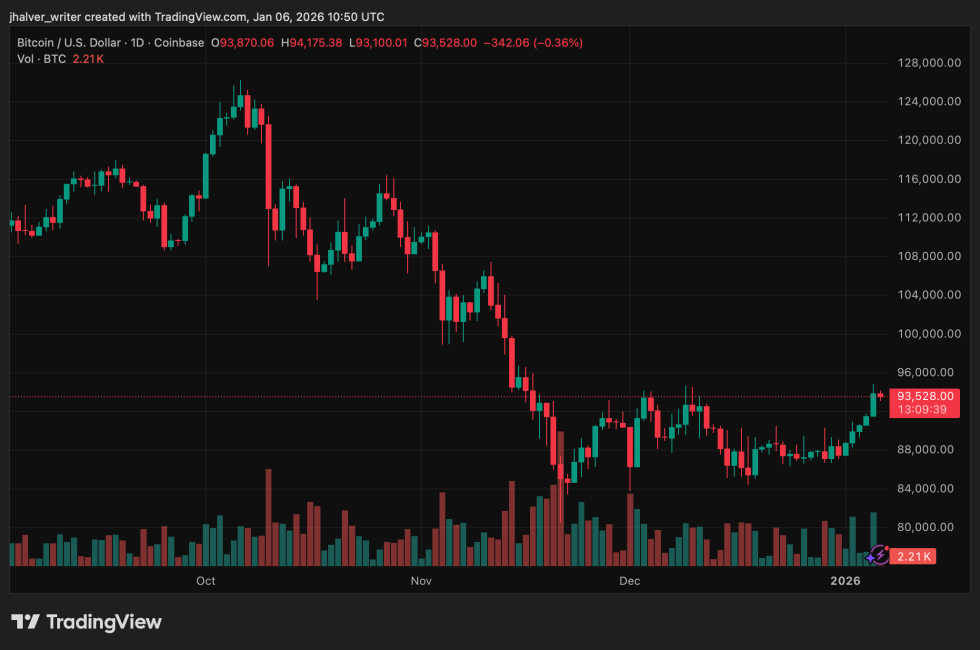
Despite the delays, the crypto market remains active, with Bitcoin’s price hovering NEAR $94,000 as of early January 2026. Still, the absence of clear rules risks slowing institutional adoption and long-term infrastructure development in the U.S.
Meanwhile, the international regulatory environment continues to evolve, with regions such as the European Union and Singapore advancing their own frameworks.
Industry groups like the Blockchain Association and Coin Center continue to engage with lawmakers, advocating for practical regulations that support growth and protect consumers.
The upcoming January 15 congressional hearing is seen as a critical moment for clarifying legislative intent, but the overall trajectory suggests that U.S. crypto firms will face extended uncertainty before comprehensive rules take effect.
Cover image from ChatGPT, BTCUSD chart from Tradingview
