Trump Denies Pardon to FTX’s Disgraced Founder SBF in 2026 Political Power Play

Former President Donald Trump shuts the door on clemency for Sam Bankman-Fried—the collapsed crypto exchange's ex-CEO faces his sentence without a presidential lifeline.
The Political Calculus Behind the Denial
Insiders report the decision stems from a calculated alignment with anti-corporate bailout sentiment. Trump's team views the FTX collapse as a liability, not a cause célèbre—pardoning a figure synonymous with financial recklessness clashes with the current populist wave.
Market Reactions and Crypto's Resilience
Digital asset markets barely flinched. Bitcoin held steady, demonstrating the sector's decoupling from the fate of individual players. The industry's narrative has pivoted from 'wild west' to institutional infrastructure—a single founder's legal woes can't derail the broader adoption engine.
Regulatory Shadows Lengthen
The denial signals continued regulatory scrutiny. Lawmakers will likely cite this as precedent: no one is too big to fail—or too connected to face consequences. Expect tighter compliance demands across exchanges, pushing the sector toward boring, bank-like stability.
The New Face of Crypto Power
SBF's fall marks the end of an era where charismatic founders could sway markets with tweets and TED talks. Power is shifting to protocol engineers, institutional custodians, and—ironically—the very regulators that once seemed like existential threats. The industry grows up, one denied pardon at a time.
Finance's oldest rule gets a blockchain update: if you're going to lose billions, do it with other people's money—just don't expect a presidential get-out-of-jail-free card when it all goes south.
Trump and FTX
SBF, once hailed as the Democratic Party’s prodigy, became known for his controversial proposals in Congress that caught political attention. His association with famous Democrats and suggestions—such as imposing Know Your Customer (KYC) requirements on decentralized finance (DeFi) protocols—sparked extensive discussions among policymakers. Despite his influence, SBF ultimately faced imprisonment for selling non-existent assets to clients and dissipating their money in risky investments.
When asked whether he would consider pardoning SBF, identified as the main culprit behind the FTX collapse, TRUMP firmly denied any intention to exercise his clemency power. Despite receiving pardon requests from figures like former New Jersey senator Robert Menendez and Derek Chauvin—convicted for the murder of George Floyd—Trump remains resolute in his refusal to issue pardons to these individuals.
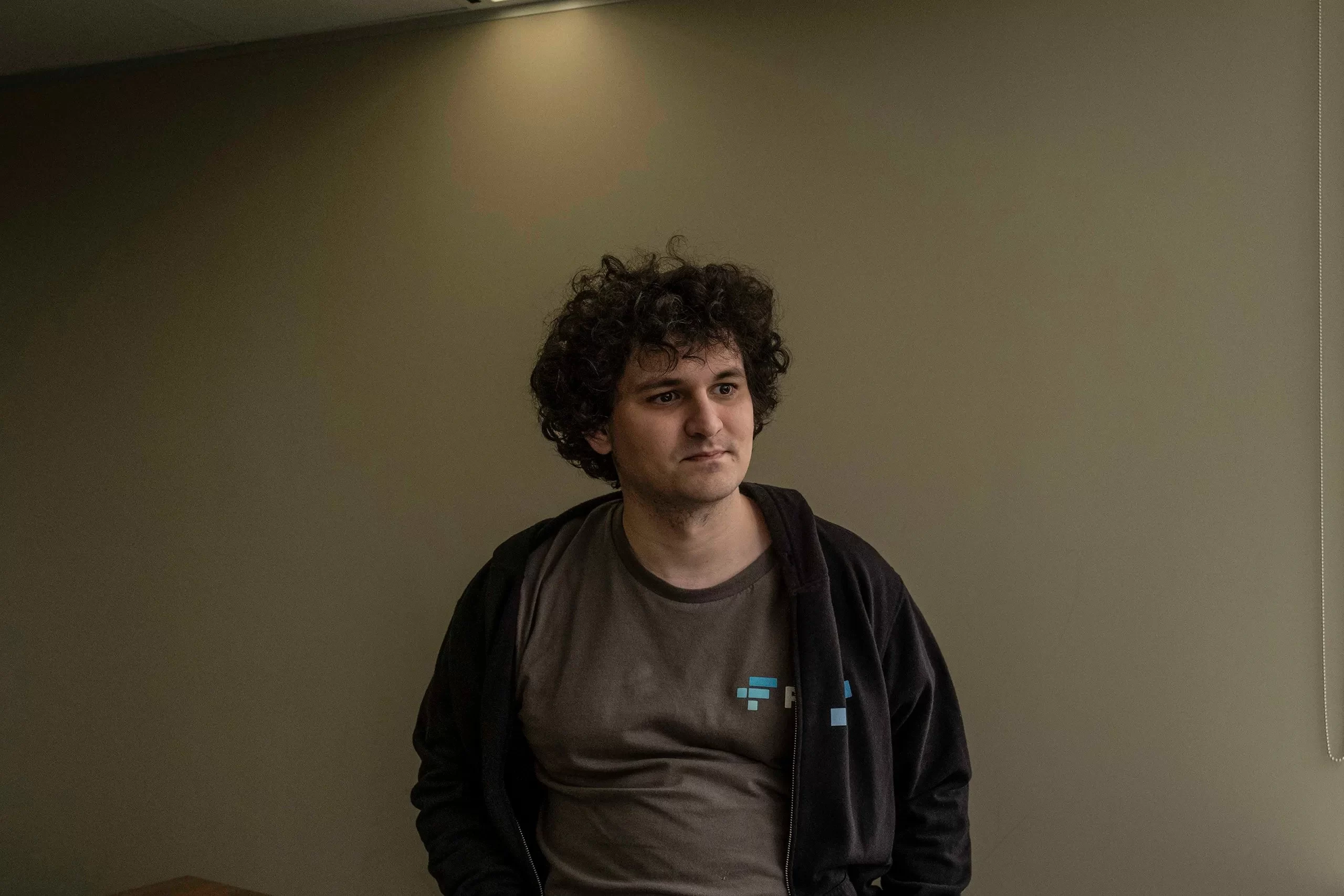
Considering the Democrats’ previous stance towards the cryptocurrency sector, using SBF as a pretext to criticize the industry, Trump’s decision not to pardon him could be perceived as a calculated move. His choice reflects a broader skepticism towards sectors that were once championed by his political opponents.
Throughout his presidency, Trump’s pardons have sparked debates across the political spectrum. His approach towards such decisions seems to be influenced by broader political strategies. By refusing to pardon figures like SBF, Trump reinforces his commitment to upholding certain lines in the political and economic landscapes.
While some view presidential pardons as a FORM of redemption for those who have strayed, Trump’s selective approach showcases his unwavering stance on legal accountability. The implications of his decisions extend beyond the individuals involved, impacting public perception and political alliances.
Trump’s actions reveal a complex interplay between political strategy and personal judgment. As he navigates the intricacies of issuing pardons, his choices continue to resonate within national and international circles, influencing future political discourse.
The impact of Trump’s decisions serves as a testament to the intricate balance between clemency and responsibility. His cautious approach suggests a desire to tread carefully amidst an often contentious political climate.
You can follow our news on Telegram, Facebook, Twitter & Coinmarketcap Disclaimer: The information contained in this article does not constitute investment advice. Investors should be aware that cryptocurrencies carry high volatility and therefore risk, and should conduct their own research.