BREAKING: Ripple Secures Conditional Approval to Launch Its Own US National Trust Bank

Ripple just cleared a monumental hurdle. The blockchain payments giant secured conditional approval to launch its own national trust bank in the United States—a move that could reshape the entire crypto-finance landscape.
The Regulatory Green Light
This isn't just another license. It's a conditional nod from federal regulators that puts Ripple on a direct path to operate a chartered trust bank nationwide. The approval lets Ripple hold, manage, and facilitate digital asset transactions under a unified federal framework, bypassing the patchwork of state-by-state money transmitter licenses that have long been a pain point for crypto firms.
Why This Is a Game Changer
For Ripple, it means operational clarity and a massive potential expansion of its institutional services. For the market, it signals a maturing regulatory acceptance of crypto-native banking structures. The firm can now build financial rails that traditional institutions might actually trust—or at least find too lucrative to ignore.
The Ripple Effect on Crypto Banking
Expect competitors to scramble for similar charters. This approval sets a precedent, proving that a major crypto entity can navigate the byzantine U.S. banking regulatory system and come out the other side with a charter. It legitimizes the model of a digital asset trust bank, potentially opening the floodgates for a new wave of regulated crypto-financial hybrids.
A cynical take? Wall Street will feign shock while quietly updating their risk models—nothing accelerates adoption like the scent of a new, fee-generating asset class they can package and sell.
Ripple's long-game in regulatory chess just delivered a checkmate move. The race to build the first true crypto bank on U.S. soil is officially on.
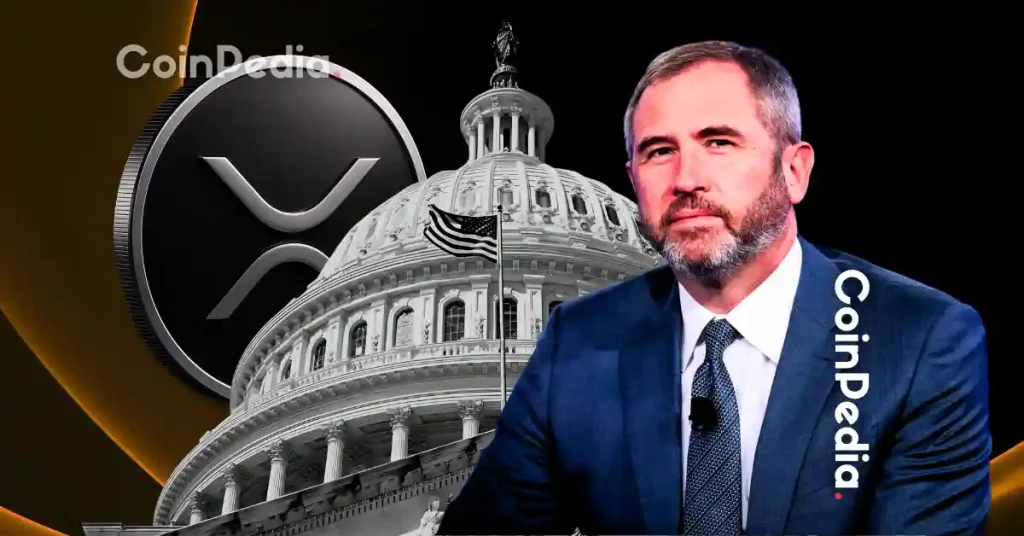
Ripple CEO Brad Garlinghouse announced on X that the company has received conditional approval from the US Office of the Comptroller of the Currency (OCC) to charter Ripple National Trust Bank. This marks an important step for Ripple as it works to bring its stablecoin, RLUSD, under both federal oversight (OCC) and state oversight (New York Department of Financial Services).
Garlinghouse said the approval shows that Ripple is willing to operate under the same strict rules as traditional financial institutions. He also criticized banking lobbyists who have argued that crypto companies avoid regulation. “What are you so afraid of?” he wrote, adding that Ripple is prioritizing compliance, trust, and innovation.
HUGE news! @Ripple just received conditional approval from the @USOCC to charter Ripple National Trust Bank. This is a massive step forward – first for $RLUSD, setting the highest standard for stablecoin compliance with both federal (OCC) & state (NYDFS) oversight.
To the…
Ripple supporters celebrated the announcement, saying RLUSD is now set to become the first stablecoin issued under a national bank charter and under direct OCC supervision.
Ripple’s Push to Become a US Bank
The move follows Ripple’s larger effort to apply for a US national bank charter and a Federal Reserve master account, which WOULD allow the company to operate like a federally regulated bank. This would give Ripple access to US payment infrastructure such as Fedwire and allow it to settle transactions directly in US dollars.
If approved, Ripple would be the first blockchain-native company with this level of access to the US banking system. It would also allow Ripple to run payment operations without depending on outside banks.
Why This Matters for XRP
A bank charter and Fed master account could strengthen Ripple’s position in the global payments industry. It would allow the company to settle international transfers faster and at lower cost. Analysts say this could increase the practical use of XRP, especially for cross-border liquidity.
Many in the XRP community also say this MOVE could boost long-term confidence in the token. If Ripple operates as a regulated financial institution, banks and institutions may feel more comfortable using XRP in their payment flows.
For now, the conditional approval shows a big shift: a leading crypto company is moving toward direct integration with the traditional US banking system, setting a new regulatory standard for the industry.
