Iran’s Crypto Gambit: Selling Advanced Weapons via Digital Currency as Sanctions and Inflation Bite

Forget gold or oil—Iran's latest export strategy is written in code. Facing crippling sanctions and runaway inflation, the nation is turning to cryptocurrency to sell advanced weapons on the global stage. It's a high-stakes move that cuts out traditional banking entirely and rewrites the rules of international arms deals.
The Sanctions End-Run
Cryptocurrency doesn't ask for a passport. By using decentralized digital assets, Iran bypasses the global financial surveillance that has long choked its economy. Transactions settle on a blockchain ledger visible to all—yet anonymous enough to obscure the ultimate buyer and seller. It's the ultimate financial sleight of hand.
Inflation's Forced Hand
When your national currency is in freefall, you find harder assets. Cryptocurrency offers a lifeline—a borderless, censorship-resistant store of value and medium of exchange. For a nation under economic siege, it's not just an innovation; it's a necessity for survival, turning military hardware into liquid digital capital.
A New Frontier for Digital Finance
This isn't just about moving money; it's about moving power. The ability to transact multimillion-dollar arms deals outside the SWIFT system proves crypto's disruptive potential beyond speculative trading. It validates the core thesis of decentralized finance: value can flow where traditional systems say it cannot.
Of course, Wall Street analysts will call it a 'niche use case' while their own compliance departments freeze accounts for suspicious $100 transfers. The irony is almost as valuable as the weapons themselves. One nation's financial survival tool is another's regulatory nightmare—and that's precisely why crypto's value proposition keeps cutting through the noise.
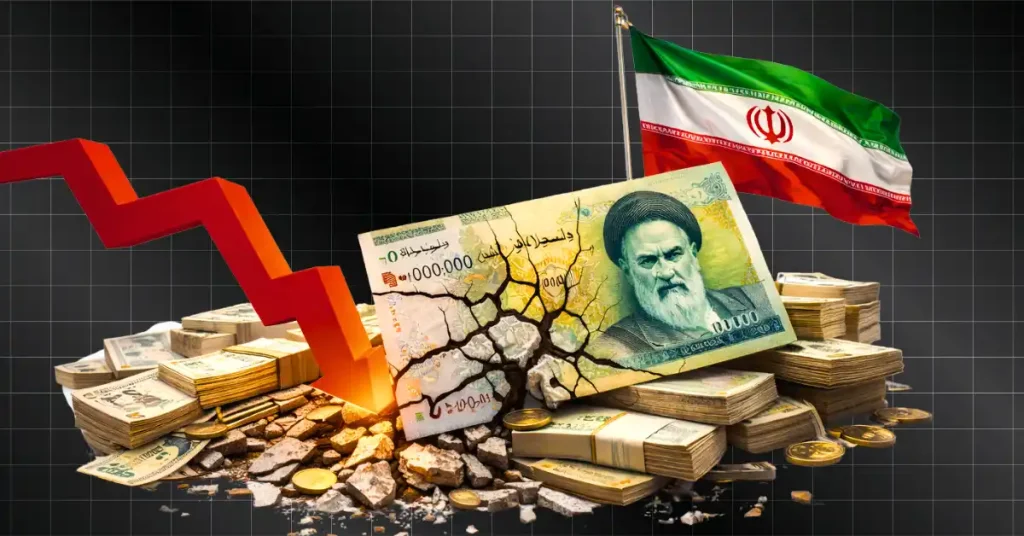
Iran has reportedly announced plans to sell advanced weapons systems using cryptocurrency, executing its international trade amid heavy economic pressure. The announcements come as Iran struggles with high inflation and a sharply weakening national currency, following years of sanctions and restricted access to global banking. By turning to crypto for high-value transactions, Iranian officials seem to seek alternative financial channels to support trade and stabilize parts of the economy.
Iran to Use Crypto For High Value Transactions
Iran has reportedly announced plans to sell advanced weapons systems to foreign countries using cryptocurrency as the country aims to handle economic pressure and foreign trade.
The MOVE comes as Iran deals with a weakening national currency and high inflation, with the rial falling to a record low against the dollar in 2025. Ongoing economic uncertainty has also triggered public protests, increasing pressure on the government to introduce reforms and respond to public concerns.
Iran’s Ministry of Defense export agency, Mindex, said in official documents and payment terms that it is open to negotiating military contracts that allow foreign governments to pay using cryptocurrency, barter arrangements, or the Iranian rial.
Also read: Iran’s Rial Hits Historic Low as Inflation Sparks Unrest
As the body in charge of Iran’s overseas weapons sales, Mindex lists advanced military equipment such as Emad ballistic missiles, Shahed drones, Soleimani-class warships, and short-range air defense systems. Addressing sanctions concerns, the agency said it has measures in place to carry out contracts and deliver products despite restrictions.
Using cryptocurrency for large transactions is a critical move, especially as many countries around the world are tightening anti-money laundering and tax reporting rules. Iran’s economy has been heavily affected by Western sanctions and regional conflicts, which have pushed inflation to about 42.5%, according to financial data.
Trump Threatens Iran of Potential Military Action
This week, the United States announced new sanctions targeting individuals and groups accused of being involved in weapons trade between Iran and Venezuela. At the same time, Donald TRUMP warned that military action could be taken if Iran moves to rebuild or expand its weapons programs.
As a result, Iran is taking bold moves to utilize crypto in its weapon deals. The Iranian government plans to use cryptocurrencies to settle trade payments, including deals with India and other BRICS countries, as a way to get around sanctions imposed by the United States and the United Nations.
Cryptocurrencies provide new ways to do business and to pay for trade,” Mohammad Bagher Ghalibaf, Speaker of the Iranian Parliament said while speaking at the deBlock Summit, Iran’s first international blockchain conference, which is also backed by the Iranian government. “So, they can support independent nations. We want Iran to become a regional, and even global hub in blockchain technology and digital trade.”
“We want to do trade with other countries where we pay in digital currencies,” Mr. Ghalibaf asserted. “It is a necessity for us.”
The next few months of 2026 will be important as Iran tries to stabilize its economy and crypto markets keep changing. Major countries, including the U.S., are expected to watch the situation closely.
