17 Years After Hal Finney’s First Bitcoin Tweet: The Quiet Genesis That Shook Finance

It started with a single post. Seventeen years ago, a cypherpunk named Hal Finney tapped out a message about running Bitcoin software. No fanfare, no press release—just a digital whisper that would echo through the corridors of global finance.
The Unassuming Spark
Finney’s tweet wasn't a sales pitch. It documented an experiment, a test of Satoshi Nakamoto's radical peer-to-peer cash system. That simple act of running the node software ignited a chain reaction. It moved Bitcoin from theoretical white paper to living, breathing network—proving the code actually worked.
From Obscurity to Leviathan
Seventeen years later, that experiment commands a trillion-dollar valuation. It spawned an entire asset class, rewrote rules for cross-border settlement, and introduced the world to programmable money. Traditional finance scoffed, regulators scrambled, and a generation of builders saw a new frontier.
The Legacy Beyond Price
The real story isn't the price charts—it's the paradigm shift. Finney’s first interaction embodied the core ethos: verify, don't trust. That principle now challenges legacy systems built on gatekeepers and intermediaries. It cuts out rent-seeking middlemen and bypasses geographic restrictions.
Finance’s reluctant, often cynical, adoption followed only after the network proved unstoppable. Banks that once dismissed it now custody crypto ETFs—a delicious irony for those who remember the early skepticism.
Seventeen years on, the quiet tweet stands as a monument to a simple idea: value can move without permission. The experiment continues, and the old guard is still playing catch-up.
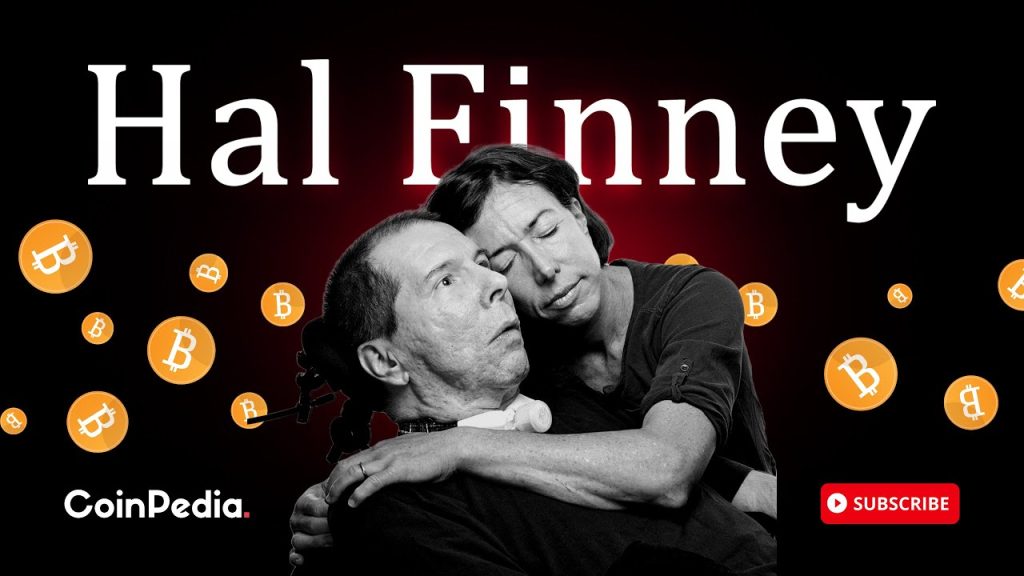
Seventeen years ago, cryptographer Hal Finney posted the first known tweet about Bitcoin, simply saying “Running Bitcoin,” signaling that he had downloaded and run the new software. He was likely the first person outside Satoshi Nakamoto to operate the bitcoin client. The next day, Satoshi sent him the first transaction of ten BTC, proving the network worked. Despite being diagnosed with ALS in 2009, Finney continued testing the software and reporting bugs until his death in 2014. His early work and dedication are now recognized as foundational to Bitcoin’s growth and success.
