Russia Cracks Down: Proposes Prison Time for Illegal Crypto Mining Operations

Moscow is drawing a hard line in the digital sand. A new legislative push aims to slap prison sentences on unauthorized cryptocurrency mining—transforming what was a regulatory gray area into a potential criminal enterprise.
The Regulatory Hammer Drops
Forget fines or warnings. The proposal escalates penalties directly to incarceration, signaling a zero-tolerance stance. It targets operations that bypass energy quotas, dodge taxes, or mine in restricted zones. The message is clear: mine outside the state's purview, and you risk trading your mining rig for a prison cell.
Energy and Control: The Real Battlefield
This isn't just about digital coins. It's a power play—literally. Unregulated mining strains national energy grids, creating localized blackouts and economic headaches. The state is reasserting control over a critical resource, framing miners as either partners in a regulated industry or energy thieves.
The Global Ripple Effect
Russia's move sends shockwaves beyond its borders. It pressures other nations to define their stance, potentially triggering a wave of copycat legislation. For the global mining industry, it shrinks the map of 'anything-goes' jurisdictions, forcing a consolidation into regulated, transparent hubs.
A Calculated Risk for Sovereignty
The Kremlin is betting it can stifle rogue operators without killing its own tech ambitions. By criminalizing the shadow market, it hopes to funnel activity into taxable, monitorable channels. It's a classic play: crush the competition to build a state-sanctioned monopoly. After all, nothing says 'financial innovation' like threatening your citizens with jail time for using too much electricity—a move so brutally efficient, even your average hedge fund manager might tip his hat to the sheer, cynical clarity of it.
Organized Operations Face Harsher Punishment
Penalties escalate sharply for organized groups or operations exceeding 13.5 million rubles in income.
Offenders in this category face fines of 500,000 to 2.5 million rubles, forced labor for up to 5 years, or imprisonment for 5 years, with additional fines of up to 400,000 rubles.
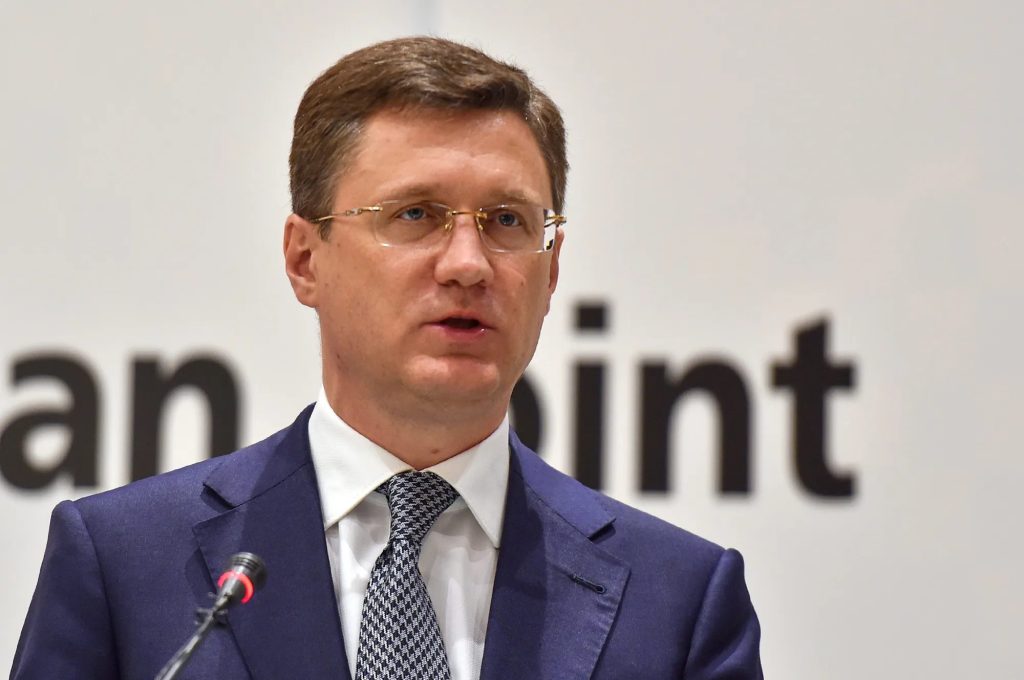
The legislation arrives as Deputy Prime Minister Alexander Novak announced the government plans to introduce criminal liability for illegal mining and unlicensed lenders in 2026.
While Russia has worked to legitimize mining through mandatory registration and taxation frameworks, enforcement remains challenging.
Legal entities and entrepreneurs must register with the Federal Tax Service and report monthly earnings through dedicated online portals, with over 1,000 participants enrolled in the registries as of May 2025.
Corporate miners pay 25% tax rates while individuals face progressive rates of 13-22%, though household miners consuming under 6,000 kWh monthly remain exempt from registration.
Despite legalization efforts, illegal operations continue draining the power grid and tax base.
Back in October, Cryptonews reported that fear of high taxes and electricity costs drives many miners underground, with annual budget losses reaching billions of rubles as operators manipulate meters, bribe utility workers, and establish secret agreements with power companies.
Experts estimate nearly 140,000and altcoin mining farms operate across Russia, with power officials claiming the majority remain undeclared and underground.
Power Theft Investigations Uncover Widespread Fraud
Recent crackdowns have exposed the scale of illegal activity across multiple regions. St. Petersburg authorities confiscated over 2,700 mining rigs from a facility that had bypassed meters since 2018, costing the grid approximately half a billion rubles.
Police arrested an Omsk Thermal Power Plant employee who accepted 500,000 rubles in bribes to facilitate grid theft, while Dagestan investigators discovered massive farms hidden inside coolant tanks.

“The illegal crypto mining farm was using more power than an entire five-story building,” one power supply employee stated.
In July, Rosseti North Caucasus reported that illegal miners in Ingushetia alone stole 35.4 million kWh worth over $4.3 million during the first half of 2025, accounting for 94% of all unaccounted consumption in the republic.
Energy providers have deployed thermal-imaging drones and offered staff bonuses for uncovering underground operations as illegal mining becomes increasingly sophisticated, with mobile units housed in trucks and vans.
The enforcement challenges extend beyond power theft to operational disruptions.
In Kiritsy village NEAR Moscow, Rospotrebnadzor ordered the mining firm Integral to suspend operations for 30 days after residents complained that noise levels from gas piston turbine generators exceeded 50 decibels.
Residents reported headaches, hearing loss, and general health deterioration, with plans to install 20 additional turbines threatening to worsen conditions near a children’s tuberculosis healthcare center.
Economic Significance Drives Regulatory Focus
The enforcement push comes as Russia’s crypto mining industry gains economic significance.
Senior Kremlin official Maxim Oreshkin has argued that mining should be classified as an export activity, with industry estimates suggesting Russia produces tens of thousands of Bitcoins annually, generating approximately 1 billion rubles in daily revenue.
The Industrial Mining Association reports Russia ranks second globally for mining, accounting for over 16% of the world’s hashrate during the summer months.
 Crypto mining should be treated as a FORM of export in Russia’s official trade accounts, according to senior Kremlin official Maxim Oreshkin.#Bitcoin #Mininghttps://t.co/FGxF9Q3knm
Central Bank Governor Elvira Nabiullina also acknowledged mining contributes to the ruble’s strength, though quantifying its impact remains difficult as much of the sector operates in gray areas beyond regulatory oversight.
The proposed criminal penalties represent Moscow’s attempt to capture tax revenues, prevent grid damage, and maintain the industry’s contribution to foreign exchange markets and the national economy.
