White House Greenlights Treasury Plan to Let IRS Track Foreign Crypto Transactions

The gloves are off—Uncle Sam wants your offshore crypto. The White House just fast-tracked a Treasury proposal that’ll give the IRS sweeping access to foreign-held digital asset data. No more hiding behind Swiss Alps or Caribbean shell companies.
How it works: The plan forces global exchanges and custodians to hand over transaction records tied to U.S. taxpayers. Think FATCA—but for decentralized ledgers. Compliance costs? Expect those to get passed down to retail traders (as always).
The kicker: This comes as on-chain analytics firms already track wallet flows with 90%+ accuracy. Now add subpoena power—privacy coins might finally get their stress test.
One hedge fund manager quipped: 'They’ll spend $3M chasing a $50K tax bill—classic government ROI.'
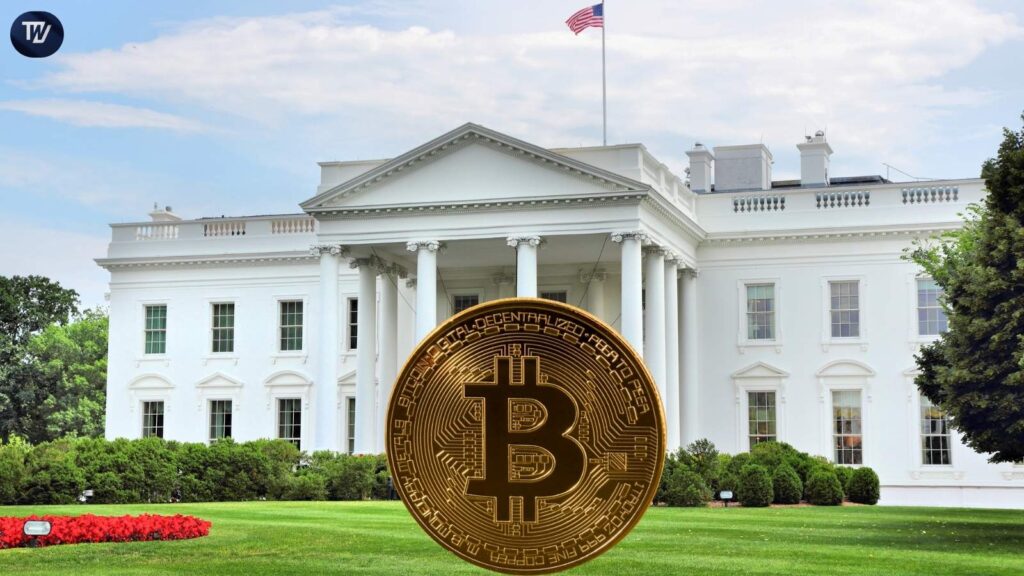
- White House reviews Treasury rules for joining the global CARF system.
- The framework enables automatic sharing of foreign crypto account data.
- Proposal ensures DeFi users face no additional reporting duties.
- CARF’s global rollout is scheduled to begin worldwide in 2027.
The WHITE House has begun reviewing the Treasury Department’s proposed rules that would move the United States closer to adopting the global Crypto-Asset Reporting Framework. This step signals progress toward aligning U.S. policy with international efforts to reduce offshore crypto-related tax evasion. The review follows months of internal discussions on how the country should position itself as global cross-border reporting standards continue to tighten.
🚨 BREAKING 🚨
🇺🇸 White House is reviewing proposed IRS rule to tax Americans' foreign crypto accounts. pic.twitter.com/puZ1SdFBeO
The proposal outlines a clear pathway for the U.S. to participate in CARF. The IRS WOULD gain access to foreign crypto account information related to American taxpayers.. This access would help the agency track offshore holdings and enforce tax obligations tied to digital assets held abroad. Treasury officials argue that joining the framework strengthens tax compliance without reshaping domestic reporting structures.
CARF’s Global Structure and Growing Participation
CARF was established in 2022 by the Organization for Economic Cooperation and Development. The framework enables participating nations to automatically exchange crypto account data and monitor foreign-held digital assets. Its primary goal is to reduce tax evasion by increasing transparency between jurisdictions.
Many major economies are already supportive of this system. G7 nations like Japan, Germany, France, Canada, Italy, and the UK have agreed to this deal. Most global crypto hubs like Singapore, the Bahamas, and the UAE have also agreed to participate. This is because there is a shift towards standardizing digital asset activity regulations across the world.
Advisors to President Donald TRUMP supported U.S. membership earlier this year. They said such membership would deter U.S. taxpayers from moving funds to offshore markets. They also noted that global alignment could help strengthen the domestic digital asset ecosystem.
Implementation Outlook and DeFi Considerations
The White House’s summer policy document called on federal agencies to continue assessing CARF implementation. This is because it becomes increasingly important to keep the United States competitive within the growing markets of digital assets.
Another specific element introduced within this document is that CARF regulations should not impose any kind of new reporting requirement on DeFi transactions. This is to ensure DeFi within decentralized finance is not subjected to multiple layers of compliance while being assessed.
The treasury’s plan is currently pending a comprehensive review by presidential advisors. Upon approval, the United States will be ready to coordinate with other nations ahead of the launch of this framework, due to take place by 2027. The review phase is one of the most crucial to decide on how this country can adapt to foreign innovations while balancing their innovations.
