Why BRICS’ De-Dollarization Plan Is Still Stuck in First Gear

BRICS nations keep talking about ditching the dollar—so why is the greenback still calling the shots?
The grand vision of a dollar-less trade bloc hits the same old roadblocks every time. It’s a geopolitical headline that fuels endless speculation, yet the practical reality remains stubbornly unchanged.
The Liquidity Trap
Creating an alternative isn't just about signing agreements—it's about building a system deep enough for global trade to swim in. The dollar's network is the financial ocean; every proposed rival looks like a kiddie pool by comparison. You can’t reroute trillions in trade through a currency that struggles with basic convertibility during a market squall.
The Trust Deficit
Replacing the dollar requires more than shared resentment—it needs shared rules. Aligning the monetary policies and financial regulations of economies with wildly different governance models is like herding cats. Everyone wants independence, but nobody trusts their neighbor's central bank to play fair.
The Inertia of Everything
The global financial system is a supertanker, not a speedboat. Contracts, reserves, and debt instruments spanning decades are denominated in dollars. Untangling that web isn't a policy shift—it's a generational undertaking. The path of least resistance, as always, is paved with dollars.
So the summits continue, the declarations are made, and the dollar's share of global reserves dips a percentage point—only to bounce back when a real crisis hits. It’s the ultimate case of ‘talk cheap, money expensive.’ Until a genuine, liquid, and trusted competitor emerges, de-dollarization will remain what it’s always been: a fantastic talking point for finance ministers and a perennial disappointment for anyone expecting a real revolution. After all, in global finance, the best conspiracy is always the one that makes headlines but never quite makes it to the ledger.
BRICS De-Dollarization Faces Dollar Dominance And Policy Fragmentation
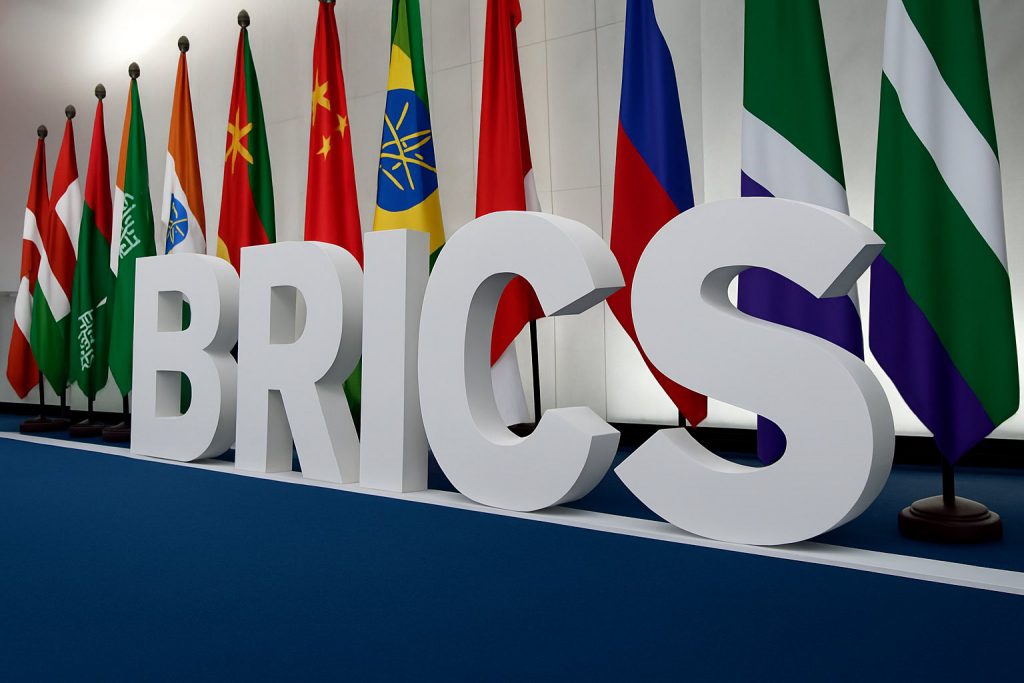
No Consensus Reached On A Common Currency
The BRICS de-dollarization plan continues to lack cohesion as major economies within the bloc are maintaining divergent positions on currency alternatives. Russian President Vladimir Putin stated:
He also added in an interview with India Today:
India’s External Affairs Minister S. Jaishankar reinforced this position back in March 2025, and he stated:
Brazil’s international affairs advisor Celso Amorim has also clarified the bloc’s stance on BRICS de-dollarization, stating:
Dollar Dominance Persists Despite Alternative Efforts
The BRICS de-dollarization plan is confronting the reality that over 60% of global trade transactions are still being denominated in dollars at the time of writing. Even as trade in local currencies has been expanded somewhat, Putin announced during his India visit:
Yet challenges around the BRICS de-dollarization plan persist, as Putin also acknowledged when discussing rupee-ruble transactions:
President TRUMP has actually reinforced US dollar dominance through threats of sanctions, and he warned BRICS nations in February 2025:
The BRICS+ Unit payment instrument is remaining in testing phases right now. It’s consisting of 40% Gold and also 60% BRICS currencies, yet it cannot function as a true BRICS common currency. As India assumes the BRICS presidency in 2026, the BRICS de-dollarization plan is facing continued uncertainty, with some progress on trade in local currencies representing incremental steps rather than a systemic transformation of US dollar dominance in global finance.
