De-Dollarization Accelerates in Landlocked African Nation: A Bullish Signal for Digital Assets?

A seismic shift is underway in global finance, far from the traditional hubs of Wall Street and London. A landlocked African country is actively dismantling its reliance on the US dollar—and the implications for the future of money are profound.
The Quiet Revolution
This isn't just a policy tweak; it's a fundamental rethinking of monetary sovereignty. By systematically reducing dollar holdings and transactions, this nation is cutting the cord to a century of dollar dominance. The move bypasses traditional forex channels and challenges the very architecture of international trade.
Why Crypto Practitioners Are Watching
For those bullish on digital assets, this is a masterclass in real-world demand creation. When nations seek alternatives to the dollar, they don't just turn to other fiat currencies—they explore digital, borderless solutions. It's a live stress test for the legacy system and a massive validation for decentralized finance's core thesis.
The Ripple Effect
This de-dollarization wave creates a vacuum—and nature, along with markets, abhors a vacuum. It fuels the search for neutral, apolitical settlement layers. While central bank digital currencies (CBDCs) will get their share of headlines, the true innovation frontier remains in open, permissionless protocols. After all, trusting a government-issued digital currency over the dollar is like choosing a different airline for the same crashing plane—you're just picking your preferred captain for the descent.
The bottom line? Geopolitical monetary shifts are no longer theoretical. They're happening now, in real-time, building the perfect storm for cryptocurrency's next major adoption wave. The old guard is losing its grip, and digital assets are positioned to catch what falls.
Zambia’s De-Dollarization Order Gives Kwacha a Boost
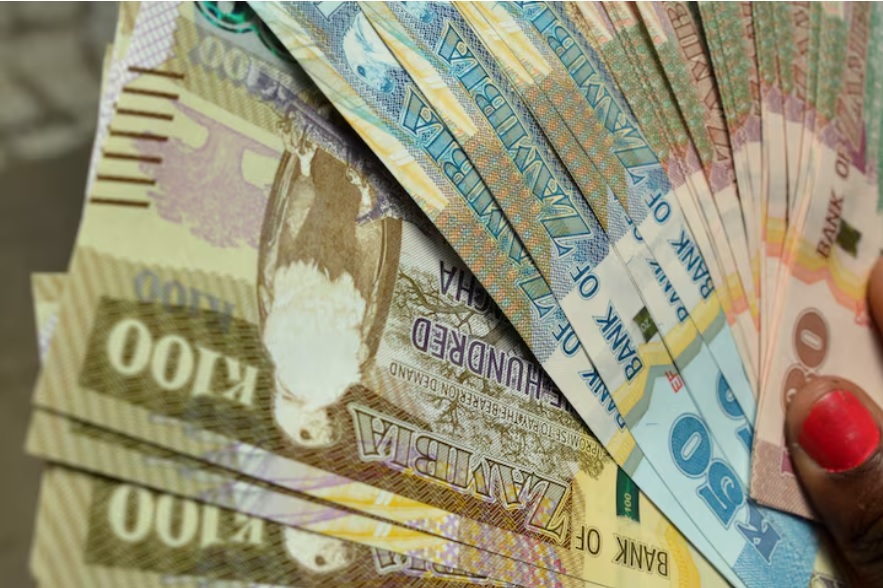
The government of Zambia announced a de-dollarization plan in early January to protect its local currency, the kwacha. The government ordered to curb the use of foreign currencies in domestic transactions. Though they did not directly mention the US dollar, the greenback is the biggest currency in the country.
The orders by the government prompted traders to sell the US dollar to protect their investments. The kwacha rallied against the USD and traded NEAR its highest in more than two years. The local currency rose nearly 0.9% against the greenback. It also surged 0.4% the next day and strengthened close to 2% this week. The development indicates that de-dollarization is helping the kwacha find its stance in the currency markets.
The government’s order also led to panic selling by investors reacting to the de-dollarization drive. Chipo Shimoomba, a treasury dealer at First Alliance Bank in Lusaka, said that the order unsettled currency traders who were dealing with the US dollar in domestic transactions. They were confident that the kwacha could become the sole legal tender.
The kwacha was Africa’s best-performing currency last year against the US dollar. It soared a whopping 26% against the greenback, cementing its position in the forex markets. De-dollarization is strengthening the kwacha, and the local currency could soar further in 2026.
The African country is also a major producer of copper, and its currency strengthening is helping it rewrite the rules of trade.Shimoomba added.
