US Senate Set to Advance Crypto Clarity Act in January 2026 - Regulatory Waters Finally Clearing

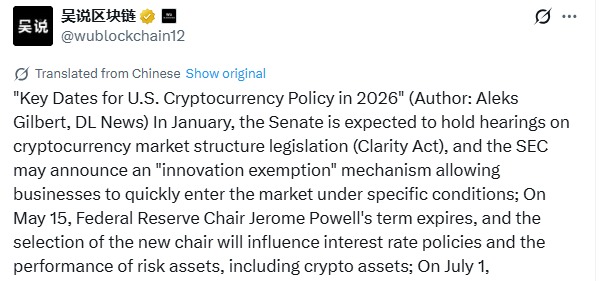
Washington's crypto winter may be thawing—and fast. The US Senate is gearing up to push forward the long-awaited Crypto Clarity Act this January, a move that could finally draw regulatory lines in the digital sand.
What's Actually in the Pipeline?
For years, the industry's operated in a gray zone—regulators chasing innovation with enforcement actions, while projects built first and asked questions later. This Act aims to flip the script. Think clearer definitions of digital assets, distinct rules for securities versus commodities, and yes, actual guidance for exchanges and token issuers. It's not about slapping on old rules; it's about writing new ones that fit.
Why January 2026 Matters Now
Timing is everything. With elections reshuffling the political deck and institutional money already diving into ETFs and stablecoins, Congress can't afford to lag. Pushing the Act forward now signals the US isn't ceding the financial future—it's trying to claim it. The subtext? If we don't write the rules, someone else will.
The Ripple Effect Beyond DC
Passage would send shockwaves far beyond the Beltway. Exchanges could architect compliance with confidence. Developers might launch without legal dread hanging over every line of code. And Wall Street? They'd get the regulatory green light they've been waiting for to go all-in—finally treating crypto like the asset class it's become, not the speculative toy some still pretend it is.
A long-overdue dose of clarity, or just political theater before the next election cycle? Either way, the Senate's move cuts through the noise. It bypasses years of bureaucratic hand-wringing and forces a simple question: will America build the next financial system, or just regulate its imports? After all, nothing makes traditional finance move faster than the fear of missing out on a new fee-generating asset—even if they still don't quite understand it.
Source: X(formerly Twitter)
White House Confirms Progress and End of SEC–CFTC Confusion
White House crypto adviser David Sacks recently noted that the country is “closer than ever” to passing comprehensive legislation. The bill has already cleared the House and is expected to help end years of jurisdiction battles between the SEC and CFTC, which have repeatedly clashed over who should control this digital asset oversight.
Focus Will Shift Toward Implementation
The focus will probably turn to implementation if the Clarity Act is approved early in the year. According to industry insiders, this will be important for exchanges, custodians, and digital currency companies since well-defined regulations may enable the US to continue leading the world in digital innovation.
SEC Innovation Exemption and Early-Year Policy Actions
January may also bring another major policy move, with the SEC reportedly considering an “Innovation Exemption.” This framework WOULD allow digital assets startups to operate with fewer restrictive barriers, provided they maintain transparency and comply with safety requirements.
Throughout the year, a number of events are lined up.
Jerome Powell’s term as Federal Reserve Chair expires on May 15 after his successor will play a significant role in determining interest rates, which may have an immediate impact on the cryptocurrency market. Meanwhile, On July 1, California's Digital Financial Assets Law will go into effect and mandate state registration for businesses catering to California consumers, and is expected to establish a more comprehensive compliance standard across the country.
Tax Policies
Regulators are also anticipated to develop stablecoin oversight under the Genius Act by mid-July, defining AML, capital, and custody requirements. New cryptocurrency tax regulations and final CFTC recommendations for blockchain usage in financial markets are expected to be introduced by lawmakers in August.
Crypto Future on Mid-Term Elections
The political spotlight will peak on November 3 during the US midterm elections, which could significantly affect how fast or slow crypto policy progresses depending on the outcome.
Conclusion.
2026 will be a defining year for US VIRTUAL assets regulations as the Senate Crypto prepares to move forward on the Clarity Act, and multiple policies are scheduled to be announced throughout the year, the decisions made by the officials could redefine how virtual assets operate across the nation. At the same time, elections will happen, which will also affect the policy outcomes.
