U.S. Economy Beats Expectations, But Peter Schiff Warns of a Deeper Financial Crack - Is This the Catalyst Crypto Needs?

Another 'strong' economic report drops. Markets cheer. Gold bug Peter Schiff screams into the void about a foundation built on sand. Meanwhile, digital asset traders are watching the cracks, not the facade.
The Old Guard's Confidence Game
Traditional metrics flash green. Analysts nod. The machine hums along—until a voice like Schiff's cuts through the noise, pointing to the debt, the inflation, the structural rot papered over by optimistic headlines. It's a familiar cycle: celebrate now, pay later. The real economy and the reported one haven't been on speaking terms for years.
Digital Hedges Don't Wait for Permission
While mainstream finance debates the timing of the next crisis, crypto markets operate on a different clock. They price in institutional distrust by default. Every warning about fiat weakness, every jab at central bank credibility—like Schiff's—isn't news to this space. It's validation.
Bullish on Breakdowns
Paradoxically, signs of strain in the legacy system are not bearish for digital assets; they're the thesis. When trust in the old plumbing erodes, capital looks for new pipes. Bitcoin was born from the last major crack. The next one won't be met with skepticism from this corner—it'll be met with infrastructure.
So let the traditional world have its beating expectations. The smart money is already building the exit—and it's protocol-based, not policy-dependent. After all, what's a 'strong' economy that relies on experts constantly telling you how strong it is? Sounds like a marketing problem crypto doesn't have.
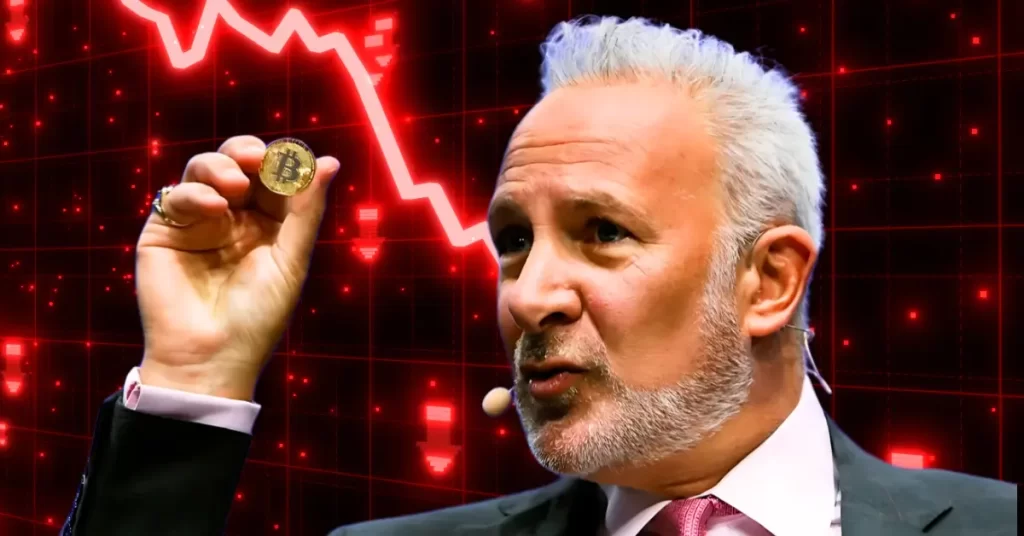
The U.S. economy is flashing resilience, but economist Peter Schiff sees something far more troubling beneath the surface. As fresh macro data paints a picture of strength, Schiff continues to warn that the dollar, Treasuries, and broader financial system are nearing a breaking point. The divide between data-driven Optimism and long-term structural fears has never been wider.
U.S. Economy Signals Strength
Recent U.S. GDP data delivered a major surprise, with growth coming in at 4.3% versus expectations of 3.3%. This isn’t a marginal beat; it suggests that economic momentum remains intact despite high interest rates and persistent concerns about inflation. Strong GDP growth typically feeds into improving ISM readings, a key indicator of economic expansion.
Historically, periods of economic strength have been constructive for risk assets. Both major crypto bull cycles in 2017 and 2021 began when ISM stayed firmly above 55, signaling robust economic activity. A strong economy reduces recession fears, improves capital confidence, and encourages investors to rotate into higher-risk assets like equities and crypto. While short-term volatility often follows strong GDP prints, Bitcoin has historically seen brief pullbacks of 4–5%; the medium-term trend has tended to recover and push higher.
Peter Schiff’s Warning: Strength Is an Illusion
Peter Schiff strongly disagrees with this optimistic interpretation. He argues that rising GDP and asset prices mask deeper structural problems, particularly the erosion of confidence in the U.S. dollar. According to Schiff, the surge in Gold and silver prices signals a quiet but growing rejection of fiat stability.
Schiff believes the dollar’s safe-haven status is fading, pointing to rising debt levels, weak savings, and increasing reliance on foreign capital. In his view, higher gold prices reflect investors choosing protection over yield, even at the cost of Treasury interest. He warns that once confidence breaks, the dollar could face a sharp selloff, forcing higher interest rates, crashing bond prices, and lowering living standards.
Where Crypto Fits Into the Divide
Crypto sits at the crossroads of these opposing narratives. On one side, a strong U.S. economy historically supports risk-on behavior, benefiting bitcoin and altcoins once short-term volatility fades. On the other hand, Schiff’s thesis frames Bitcoin as a byproduct of monetary instability, thriving only because traditional systems are failing.
Ironically, even as Schiff criticizes Bitcoin, his warnings about currency debasement and loss of trust continue to strengthen the case for scarce, decentralized assets.
Market Implications
Schiff believes a loss of trust in the dollar WOULD not stop at currency markets. U.S. Treasuries could face selling pressure, pushing yields higher and weighing on bond prices. Equity markets may also feel the impact as tighter financial conditions and weaker consumer purchasing power hurt corporate earnings. For everyday Americans, the result could be a noticeable decline in living standards as essentials become more expensive.
