IMF Nears Deal on Chivo Wallet Sale as El Salvador Doubles Down on Bitcoin Strategy
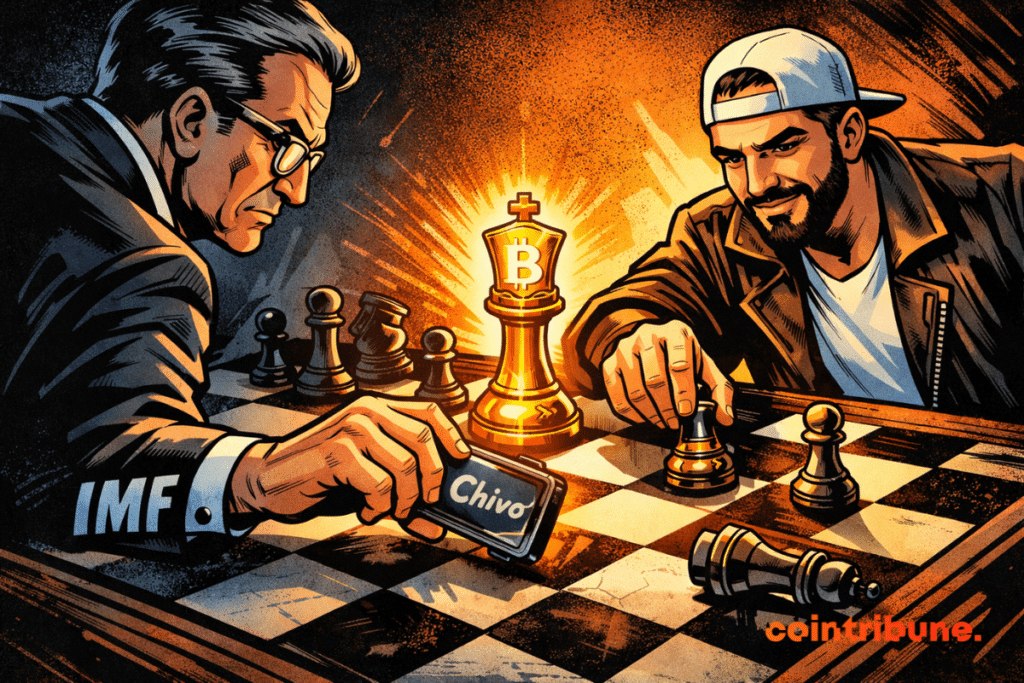
El Salvador's Bitcoin bet just got a major institutional co-sign. The International Monetary Fund is reportedly closing in on a deal to acquire the government's Chivo Wallet—a move that signals a seismic shift in how global finance views crypto adoption at the national level.
The Wallet in the Room
For years, the IMF treated Bitcoin like a speculative parlor trick—now it's cutting a check. The potential acquisition of Chivo isn't just about technology; it's a tacit endorsement of President Nayib Bukele's unorthodox monetary experiment. The wallet, once a political lightning rod, could become a case study in central bank digital currency infrastructure.
Bypassing Traditional Banking
El Salvador never asked for permission. While developed nations debate regulatory frameworks for years, the Central American nation deployed a functional Bitcoin ecosystem in months. The Chivo system demonstrated how digital assets could bypass legacy banking bottlenecks—particularly for remittances, which account for nearly a quarter of the country's GDP.
The Institutional Domino Effect
Watch other developing economies take notes. When the IMF validates Bitcoin infrastructure through acquisition, it creates a blueprint others can follow without political stigma. This isn't about ideological purity—it's about practical financial inclusion with a side of cynical realpolitik. After all, nothing convinces institutional investors like another institution spending real money.
Volcano Bonds and Vindication
Remember the laughter when El Salvador announced Bitcoin-backed bonds? The Chivo deal suggests those instruments might find more serious buyers than crypto Twitter enthusiasts. The IMF's interest transforms a speculative asset into collateral with institutional recognition—a development that would make even Wall Street's most traditional bond traders raise an eyebrow.
The ultimate irony? Global financial stability guardians now own a piece of the very technology they warned could destabilize economies. Sometimes progress happens when regulators stop writing warning papers and start writing checks.
 Read us on Google News
In brief
- IMF confirmed talks to sell the Chivo wallet are close to completion as part of a $1.4B loan deal tied to Bitcoin limits.
- Conflicting reports emerged, with IMF data showing no recent BTC buys, while El Salvador’s Bitcoin Office reports new purchases.
- Deal terms call for limited public Bitcoin use, voluntary private adoption, and reduced state involvement in Chivo.
- President Bukele insists daily Bitcoin buying will continue, putting pressure on IMF conditions and future funding.
IMF Confirms Advanced Talks to Sell El Salvador’s Chivo Wallet
IMF officials confirmed that negotiations to sell Chivo, El Salvador’s government-backed bitcoin wallet, are at an advanced stage. As outlined in a Monday release, the fund’s mission chief said authorities remain engaged with staff on the broader Bitcoin agenda, including public-sector involvement. In parallel, separate discussions are underway regarding the country’s ongoing Bitcoin acquisition.
The discussions follow a financing agreement reached in May, under which the IMF approved a $120 million disbursement as part of a broader $1.4 billion loan package for 2024. The deal set limits on government Bitcoin activity and included a commitment to reduce involvement in the Chivo wallet.
Questions remain over whether the government is complying with those terms. IMF data released in July indicated that no BTC purchases were made after December 2024. By contrast, updates from El Salvador’s Bitcoin Office show continued acquisitions. The disclosures include a purchase of 1,090 BTC in November, valued at about $100 million at the time.
Bitcoin Purchases Remain a Sticking Point in Negotiations
These conditions continue to frame negotiations:
- Public sector BTC activity must remain limited.
- Private businesses may accept Bitcoin voluntarily.
- Government participation in the Chivo wallet should be reduced.
- Sale terms for Chivo remain confidential.
- Oversight continues on future BTC purchases.
Bitcoin became legal tender in El Salvador in 2021, becoming the first country to adopt the OG crypto. President Nayib Bukele backed the policy and directed state funds toward regular purchases. On Bitcoin Day, authorities added 21 BTC to national reserves, drawing attention despite IMF restrictions.
Government data shows holdings of 7,509 Bitcoin as of Monday, worth roughly $659 million at the time of publication. At the same time, Bukele reiterated in March that the country WOULD continue buying at least one BTC per day. The policy stance raises questions about the durability of the IMF agreement and the future pace of disbursements.
Tensions increased in July when the IMF criticized El Salvador for bypassing the non-accumulation pledge through the Chivo wallet. With talks over the wallet’s sale ongoing, future policy direction remains unclear as negotiations continue.
Maximize your Cointribune experience with our "Read to Earn" program! For every article you read, earn points and access exclusive rewards. Sign up now and start earning benefits.
